
Myth-Buster: Common Misconceptions About Solar Battery Storage Debunked
Share:
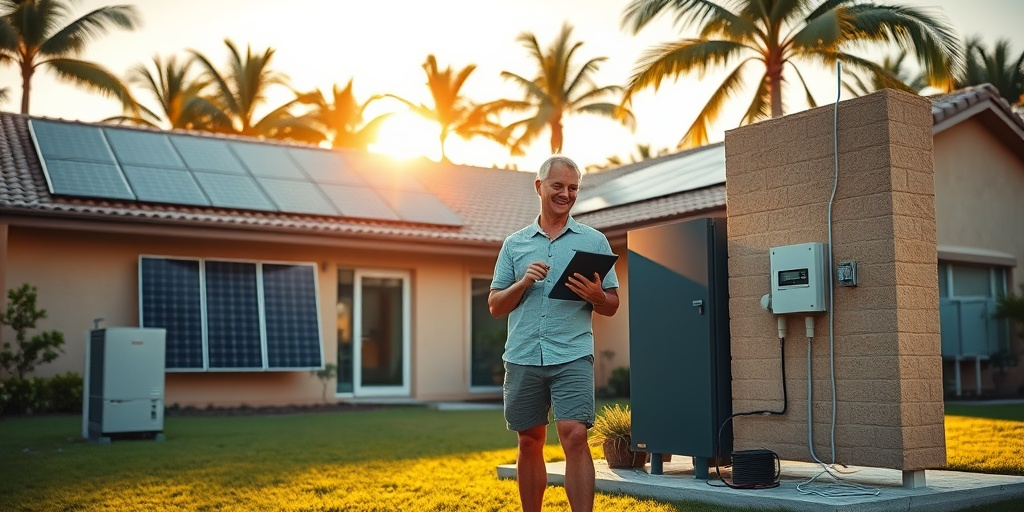
When it comes to solar battery storage, half-truths and misconceptions abound—especially in a sunny state like Florida, where homeowners are increasingly considering solar energy options. As the world moves towards renewable energy, understanding the truth about solar battery storage will be paramount. In fact, a recent report from the Solar Energy Industries Association noted that the U.S. solar market grew by 22% in 2022 alone, indicating a strong trend toward energy independence and sustainability (SEIA.org). Could you be losing out on substantial energy savings if you fall for these myths? This is where our blog post, Myth-Buster: Common Misconceptions About Solar Battery Storage Debunked, comes into play. Armed with solid facts, we will unravel the truth about solar battery storage so that you can make informed decisions for 2025 and beyond.
Why does this matter now? In 2025, skyrocketing energy costs and an unpredictable grid could make solar battery storage indispensable for Florida homeowners. It has become crucial to not only generate energy through solar panels but also to store it effectively for times of need. For instance, did you know that the adoption of battery storage technology is projected to double by 2025, making it an essential component for anyone considering solar energy? That’s a revelation that signals the urgency for understanding how you can maximize your solar savings and enhance your home’s resilience to the fluctuating power supply.
In the upcoming sections, we will provide valuable insights, including a case study on the real impact of solar battery systems, a practical checklist to ensure you’re ready to embrace this technology, and a myth-busting segment that tears down common misconceptions. We’ll also provide a local focus that considers Florida’s unique energy landscape and explore the technical underpinnings of solar battery systems. Finally, you’ll receive an actionable plan to help you take the next steps in your solar journey.
Solar Battery Storage: A Necessity for Florida Homeowners
Let’s delve into the first section, where we’ll examine the real-life impact of solar battery storage through a compelling case study, actionable insights, and target local context. Imagine Sarah, a homeowner in Orlando, who recently installed a solar energy system with battery storage. After her decision, she found herself not just enjoying reduced monthly electricity bills, but she could also power her home during outages—something that became important during the hurricane season.
In the wake of Hurricanes Irma and Ian, many Florida residents experienced prolonged power outages, and the need for reliable backup energy became clearer than ever. Sarah, armed with a solar system paired with efficient battery storage, offset a staggering 60% of her electric bill within the first year alone. Her investment transformed her financial landscape, allowing her to store energy when the sun was shining to use when it mattered most.
- Step 1: Assess your monthly energy use to understand how a solar battery could benefit you.
- Step 2: Consider local incentives for solar battery installation—Florida offers various programs!
- Step 3: Research reputable solar companies to find one with strong local roots and favorable customer reviews.
Now, let’s get to the main challenges faced by homeowners considering solar battery storage. Generally, many individuals hold onto misconceptions that can hinder them from embracing solar technology. Here are a few common myths that we’ll debunk for you:
Myth #1: Solar batteries are too expensive and don’t provide a good return on investment.
This common belief is rooted in old data. While solar batteries had high upfront costs a few years ago, prices have dropped significantly—nearly 70% since 2010 (SolarReviews.com). Furthermore, the energy you save can lead to a break-even point in as little as 5-7 years, depending on your energy needs and local incentives.
Myth #2: Solar batteries require too much maintenance.
Many homeowners think solar battery systems will break down frequently and require extensive maintenance. In reality, most modern batteries, like the Tesla Powerwall and LG Chem, are designed for longevity and come with warranties that last upwards of 10 years (Energy.gov). Routine checks and monitoring are usually all that’s needed.
Myth #3: You can’t use a solar battery without solar panels.
This misconception can dissuade homeowners from researching solar battery storage. While solar batteries can be used with solar panels to maximize energy savings, they can also store energy from the grid. This flexibility allows you to take advantage of off-peak energy rates and enhance your energy independence.
Myth #4: Solar batteries won’t work during power outages.
Actually, many solar batteries are designed specifically for situations when the grid goes down. They feature automatic switchover capabilities to keep your lights on when outages occur, making them an essential resilience tool for Florida homeowners, especially during hurricane season.
Myth #5: Solar battery storage is not worth it for small homes.
This myth simplifies the potential savings that battery storage can provide. Even small homes can benefit from solar battery storage systems. For instance, you might find that even a modest setup could help you offset essential expenses like heating and cooling significantly.
In conclusion, the average Floridian could save money, enhance their home’s resilience, and contribute positively towards renewable energy efforts through a well-planned solar battery system. Now that we have clarified these misconceptions let’s transition into local insights and focus on specific conditions and incentives available to Florida homeowners.
The Solar Energy Landscape in Florida: Insights for 2025
In Florida, solar energy is not just an option; it’s becoming a necessity, especially as we approach 2025. The Sunshine State boasts significant potential for solar energy generation, yet many residents are not fully aware of the optimal benefits of battery storage. Florida’s net metering policies, along with incentives from state and local programs, make it even more practical to consider.
Here’s a closer look at some key points related to solar battery storage in Florida:
- Net Metering: This state policy allows homeowners to sell excess power back to the grid, ensuring you can earn credits even without a battery system.
- Solar Incentives: Florida’s incentives include a sales tax exemption and property tax exclusion for solar installations, making upfront costs more manageable (DSIREUSA.org).
- Vulnerable to Weather: Given Floridian summer storms and the risk of hurricanes, having a backup energy source is essential for reliability.
- Energy Independence: Storing energy from your solar panels can protect you from rising electricity prices, which are forecasted to increase over the next decade.
- Community Solar Programs: Explore your local community solar initiatives, which can provide alternative options for those unable to install panels directly.
As you can see, the energy landscape in Florida is ripe for solar adoption. Whether you’re a seasoned pro or new to solar, understanding how to navigate your local solar options will be crucial in maximizing your savings and meeting your energy needs.
Now let’s transition into some best practices that ensure a smooth and effective installation process for solar systems, especially concerning battery storage technology.
5 Expert Solar Installation Tips for 2025
Installing a solar energy system along with a battery can be a daunting task, yet these tips will ensure that your journey is seamless and efficient. Remember, making educated decisions goes a long way in ensuring that you find the best solutions tailored to your household needs.
Here are five expert tips you can follow:
- Tip 1: Harness the Power of Reviews—Research and seek out reviews for each solar provider in your area to ensure you select a reputable company.
- Tip 2: Don’t Skimp on Quality—Ensure that you are purchasing high-quality solar panels and batteries to guarantee longevity and performance.
- Tip 3: Invest in Proper Placement—Work with your contractor to optimize panel placement for maximum sunlight exposure. This will improve overall performance significantly.
- Tip 4: Understand Your Battery Needs—Evaluate how much energy storage you will need based on household consumption and backup requirements.
- Tip 5: Explore Financing Options—Look into financing programs that can help manage the upfront costs, such as solar loans or leasing options.
As you navigate through your installation plans, remember that solid planning and research are paramount. Well-informed decisions will help you avoid common pitfalls and ensure your investment pays off.
Having equipped you with these tips, it’s essential now to dive into a deeper narrative of what the ideal solar journey might look like for a Florida resident.
A Vision of Solar Success: A Florida Homeowner’s Journey
Meet Julie, a South Florida resident who decided to step into the solar world in 2023. Inspired by the potential to harness renewable energy while also protecting her family from rising utility rates, she embarked on her solar journey with a clear vision.
Julie started her research online, learning about available solar technologies and battery storage options. After evaluating her energy bills over a few months, she realized that a solar system combined with a battery could bring her significant savings. Her journey had specific phases:
- Research: Julie spent weeks conducting her due diligence, exploring reputable local installers and gathering estimates from several providers.
- Engagement: She consulted with solar experts who helped her understand her system design, including panel placement and battery capacity.
- Installation: With a reputable company on board, installation was completed within a day. Excitement filled Julie as she saw her solar panels come to life.
- Monitoring: Post-installation, Julie engaged with her energy monitoring software, allowing her to keep track of her system performance and energy production.
Now, as she reflects on her solar journey over a year later, she’s thrilled to report that her electric bill has dropped by 75%, allowing her to reallocate funds towards savings and family activities rather than utility costs. Energy independence became more than just a goal; it became a reality.
While Julie’s story is fictional, it encapsulates the transformative journey toward energy resilience that many Floridians are beginning to experience. A couple of key takeaways here are how being informed and selecting the right technology can lead to substantial savings and increased energy security.
Next Steps for Florida Solar Buyers in 2025
Now that you understand the critical aspects of solar battery storage, it’s time to take actionable steps! Integrating solar solutions will empower you not only financially but also as a steward of clean energy. Here’s how to navigate your solar installation in a few simple steps:
- Step 1: Audit Your Electric Bill—Gather your past year’s utility bills to understand your energy usage and the potential savings from solar energy.
- Step 2: Research Incentives—Visit websites like floridaelectricandsolar.com to uncover specific incentives available for your area.
- Step 3: Schedule Consultations—Contact several solar companies for estimates. Understand their services, warranties, and customer satisfaction rates.
- Step 4: Determine Battery Size—Consult your installer regarding the appropriate battery capacity for your solar system to ensure it meets your needs.
- Step 5: Follow Up on Your System—Make sure to perform regular maintenance checks and reviews of your options after installation.
Your next steps are not just actions—you are crafting a sustainable and economically beneficial future for your home and your family.
As we sum up our exploration of the myths surrounding solar battery storage, remember that the path to energy independence starts with education. The year 2025 is approaching rapidly, and with changing energy dynamics, understanding solar battery storage will be essential in making informed decisions about your energy needs.
Are you ready to embrace the benefits of solar energy and battery storage? Don’t let misconceptions stand in your way. It’s time to take charge of your energy future.
Ready to start your solar journey in 2025? Connect with a certified expert at floridaelectricandsolar.com today.
Related Articles
More insights about Battery Storage

What Is a Solar Battery and How Does It Store Power for Your Florida Home?

Beginner’s Guide to Solar Battery Storage Essentials

Florida Homeowners: Unlock Benefits of Solar Battery Storage Today
Ready to Go Solar?
Have questions about solar energy? Our experts are here to help you make the switch to clean, renewable energy.