
Myth-Busting Common Misconceptions About Solar Battery Storage
Share:
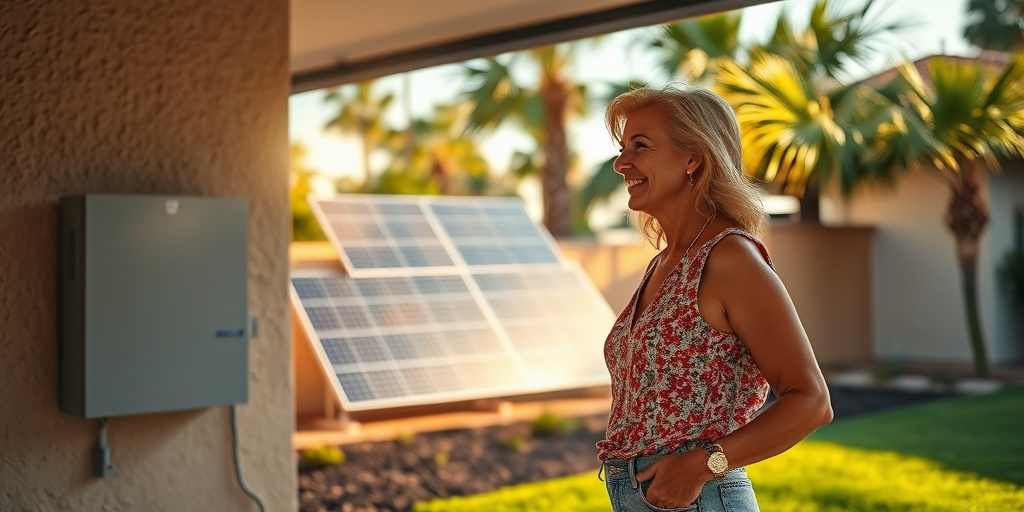
In the world of renewable energy, solar power is often touted as the financial saving grace for homeowners and business owners alike. However, misconceptions surrounding solar battery storage continue to cloud its potential benefits, leaving many hesitant in their decision-making. For instance, a staggering 70% of homeowners express concerns about the high costs associated with solar batteries, yet the reality indicates that battery storage can significantly reduce dependency on grid power and cut electric bills (SEIA.org). In this blog post titled “Myth-Busting Common Misconceptions About Solar Battery Storage”, we will uncover the truth behind these myths and empower Floridians to make informed decisions about solar energy in 2025 and beyond. With upcoming solar incentives and the prospect of rising energy costs in the Sunshine State, understanding the true value of solar battery storage has never been more urgent. In the following sections, we’ll delve into:
- A Deep Dive into Common Misconceptions
- An Actionable Checklist for Battery Storage
- Myth-Busting: The Truth Behind Popular Beliefs
- Florida’s Unique Landscape for Solar Battery Adoption
- The Technical Side of Solar Storage Systems
Let’s unravel the myths together!
Unpacking Common Misconceptions about Solar Battery Storage
Solar battery storage is a game-changer for many Florida homeowners. However, a significant portion of the population remains misinformed, often due to hearsay and incomplete information. One illustrative case involves the Martinez family from Orlando, who were initially apprehensive about installing solar batteries. They feared the costs would outweigh the benefits, assuming that Florida’s sun-soaked days ensured their solar panels would suffice without additional battery storage. However, upon consultation with experts, they discovered they could, in fact, save more in the long run by storing excess energy for later use during outages or the evenings when utility rates surge. This case is not unique; many people in Florida share similar doubts, while empirical data suggests that adding battery storage can enhance savings by over 30% (Energy.gov).
To further dive into the landscape of misconceptions, consider the following steps for understanding the necessity of solar batteries:
- Research Current Technology and Market Trends
- Evaluate Your Energy Consumption Patterns
- Understand Local Regulations and Incentives
- Consult with a Reputable Solar Provider
- Analyze Long-Term Financial Implications
Here are some common myths regarding solar battery storage that we will debunk in this section:
- Myth #1: Solar Batteries Are Too Expensive – Although initial costs for solar batteries can appear high, they often pay for themselves over time through energy bill reductions and government incentives. The average cost of residential battery storage has been decreasing, making them increasingly accessible (SolarReviews.com).
- Myth #2: Solar Batteries Are Only Necessary in Areas with Frequent Outages – While battery storage does provide backup during blackouts, they also enable homeowners to maximize savings from solar energy produced during the day and consumed as needed, regardless of grid stability.
- Myth #3: Solar Batteries Require Complicated Maintenance and Care – Modern solar batteries are designed with user-friendliness in mind. Most systems require just a minimal level of maintenance, making them convenient for daily use.
In looking at Florida’s unique solar market, recent data revealed that over 30% of new solar installations now incorporate battery storage (SEIA.org). As the Sunshine State continues to struggle with energy costs, this trend is likely set to grow, allowing homeowners to take full control of their energy needs.
Now, let’s transition into actionable steps for evaluating whether battery storage is a worthwhile investment for you.
Your Definitive Checklist for Solar Battery Storage
As we’re finding out, the decision to add battery storage to your solar installation is not just about perception; it’s a prudent investment that can secure your home’s energy future. Here’s a streamlined checklist to navigate the most critical steps for adopting this technology:
- Step 1: Audit Your Energy Bill – Review your electric bill to understand your usage patterns. Determine the percentage of your electricity generated by solar versus what you purchase from your utility. This insight will help you calculate potential savings with battery storage.
- Step 2: Assess Your Solar Production – Evaluate how much energy your solar panels generate during peak sunshine hours. This information will guide you in selecting a battery size that meets your needs.
- Step 3: Understand Local Incentives – Florida offers varying financial incentives for adopting solar battery storage systems. Research local programs to maximize your investment (DSIREUSA.org).
- Step 4: Seek Expert Consultation – Connect with a certified solar provider at floridaelectricandsolar.com to explore your options, ensuring you’re well-informed before making your decision.
- Step 5: Calculate Your Return on Investment (ROI) – Consider the total installation costs versus expected savings over time. A deeper calculation must include peak rate times to illustrate potential savings during higher energy demands.
By following this checklist, you’ll not only ease the buying process, but you’ll also secure an energy-efficient future that anticipates rising costs and instabilities. Armed with comprehensive data, let’s debunk the most common myths surrounding solar battery storage.
Myth-Busting: The Truth Behind Popular Beliefs
Let’s face it: misconceptions can lead to missed opportunities. Here, we’ll address some common myths surrounding solar energy and storage, providing a precise understanding of why these representations are misleading:
- Myth #1: If You Have Solar Panels, You Don’t Need Batteries – A common misconception is that solar panel installations alone suffice for energy needs. On the contrary, without battery storage, homeowners risk losing generated energy at night or during outages, undermining the system’s full potential. By incorporating battery storage, you ensure your energy production is fully utilized.
- Myth #2: Batteries Only Benefit During Outages – While backup power is crucial, solar batteries also allow homeowners to harness and use energy generated during peak sunlight hours. This flexibility significantly lowers electricity costs during times of high demand (SolarReviews.com).
- Myth #3: All Batteries Are Created Equal – Not all batteries perform at the same level. Understanding differences in lithium-ion versus lead-acid batteries, for example, is essential. Lithium-ion batteries are typically more efficient, have longer lifespans, and require less maintenance, changing the overall cost effectiveness and reliability of your storage system.
- Myth #4: Battery Storage Is Too Complicated – Modern advancements have simplified battery management systems. Many require little to no interaction from users beyond normal operational checkups.
By shedding light on these widespread myths, Florida homeowners can approach solar battery storage with confidence. More notably, as of 2025, renewable energy sources are projected to supply nearly half of the Sunshine State’s energy, solidifying the crucial need for informed decisions around battery storage (Energy.gov).
The Unique Landscape of Florida’s Solar Battery Adoption
Florida’s dynamic energy policies and sunny climate present unique opportunities and challenges for homeowners considering solar battery storage. Since 2015, Florida has surged ahead in solar adoption, ranking third in installed solar capacity in the United States (SEIA.org). As the state grapples with challenges related to energy costs and grid reliability, the demand for solar solutions continues to rise.
Some key considerations for Florida homeowners include:
- Net Metering Policies – Florida’s net metering policy allows homeowners to receive credits for excess electricity fed back into the grid, incentivizing solar adoption. As more residents invest in battery storage, this effectiveness of net metering further emphasizes its value.
- Climate Resilience – With hurricanes and natural disasters threatening electricity infrastructure, battery storage offers an essential safety net for homes. Having a reliable power source during such crises can safeguard families and properties.
- Increasing Energy Costs – As electric rates steadily rise, more homeowners are turning to solar batteries to maximize savings. The anticipated increase in utility bills makes investing in storage systems even more compelling.
As of mid-2023, battery storage installations in Florida have increased by over 40% in the past year (SolarReviews.com). With ongoing incentives and advancements in technological efficiency, now is an ideal time for homeowners to revise their preconceived notions.
As we transition to a more technical understanding of solar battery systems, you’ll learn about essential components that improve performance and efficiency.
Understanding Solar Battery Technology Inside and Out
Understanding solar battery technology is crucial for making informed decisions about home energy systems. These systems are composed of various components, each playing a crucial role in their efficiency and performance. Let’s unpack the essential aspects:
- Batteries – The heart of any solar-storage system. As mentioned, lithium-ion technologies are widely accepted for their better energy densities and longer life cycles compared to traditional lead-acid options.
- Inverters – They convert DC electricity generated by solar panels into AC electricity usable in your home. Moreover, inverters with battery capability can automatically manage excess energy either by storing or distributing it as needed.
- Charge Controllers – These ensure optimal charging and discharging cycles of solar batteries, preserving battery life and efficiency. They are essential for performance during daily household use.
- Battery Management Systems – An advanced technology that monitors battery health, charge levels, and performance metrics. Understanding this component can help homeowners make predictive decisions regarding energy needs.
Among these technologies, ongoing advancements are driving down costs and improving efficiencies—encouraging more homeowners to explore their options. For instance, the cost of lithium-ion solar batteries is expected to decrease by nearly 30% by 2025 (Energy.gov). This shift will transform the accessibility of solar battery solutions for Florida homeowners.
Your Action Plan: Next Steps for Florida Solar Buyers in 2025
With the knowledge gained throughout this article, it’s time to take action. Here’s a keen checklist that ensures you’re set up for success in your solar journey:
- Step 1: Audit Your Electric Bill Again – Make it a regular practice to assess your energy consumption cycle and adjust your energy strategy accordingly. This habit will help you identify potential savings from solar energy.
- Step 2: Revisit Battery Options – Keep tabs on the latest technologies and prices. The landscape is continually evolving, so consider how advancements may impact your decision-making.
- Step 3: Connect with Local Experts – Reach out to professional solar consultants at floridaelectricandsolar.com to discuss your unique energy needs and explore tailored solutions.
- Step 4: Install Efficient Solar Panels – Consider installing high-efficiency solar panels alongside your battery system to maximize solar energy capture.
- Step 5: Monitor Your Solar Battery System – Keep an eye on your energy levels. Familiarize yourself with your battery’s performance to maximize your return on investment.
By embracing the shift towards energy independence through solar battery storage, you pave the way for a sustainable and financially smart future. Inevitably, the solar landscape is evolving, and smart Floridians will act today to secure their energy tomorrow.
Conclusion
We have embarked on a journey through common misconceptions surrounding solar battery storage and uncovered a wealth of transformative knowledge. With rising electricity costs, an increasing focus on renewable energy solutions, and the urgent need for energy resilience, the truth about solar battery storage becomes increasingly compelling. Homeowners like the Martinez family have demonstrated that financial prudence, strategic energy management, and climate resilience can all be achieved through informed decisions in solar adoption. As we move into 2025 and beyond, the question is not whether battery storage is necessary but rather how quickly you can integrate it into your home.
In summation, the decision to invest in solar energy and battery storage is not just about cutting costs; it’s about taking control of your energy future, ensuring stability, and contributing to a sustainable planet for generations to come.
Ready to start your solar journey in 2025? Connect with a certified expert at floridaelectricandsolar.com today.
Related Articles
More insights about Battery Storage

What Is a Solar Battery and How Does It Store Power for Your Florida Home?

Beginner’s Guide to Solar Battery Storage Essentials

Florida Homeowners: Unlock Benefits of Solar Battery Storage Today
Ready to Go Solar?
Have questions about solar energy? Our experts are here to help you make the switch to clean, renewable energy.