
Myth: Community Solar Benefits Are Only for Large Companies
Share:
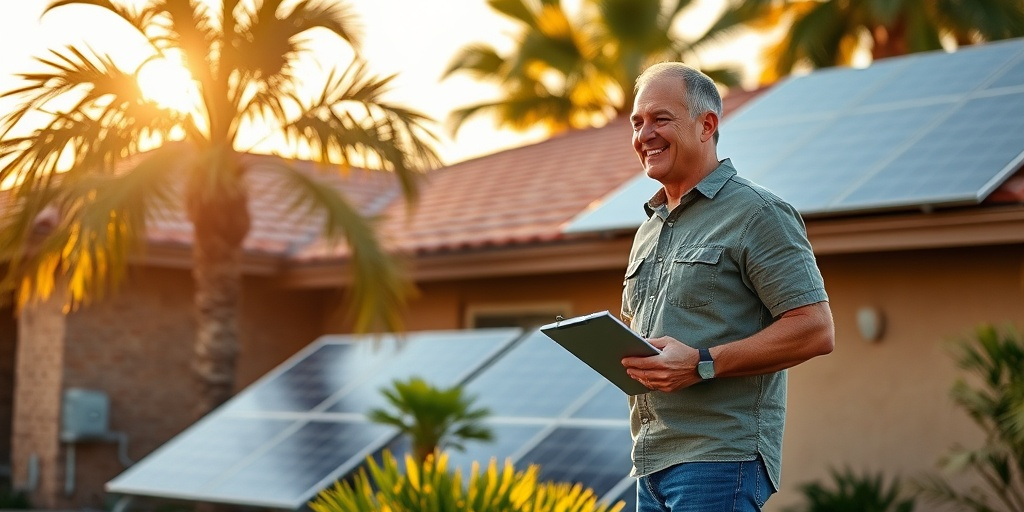
When we think of solar energy, a common image that comes to mind may well be the sprawling installations atop the roofs of corporate headquarters or large industrial buildings. Yet, there exists a persistent myth: Community Solar Benefits Are Only for Large Companies. This myth overlooks a crucial reality—community solar programs have the potential to deliver substantial savings for every homeowner, not just the corporate giants. Did you know that over 2 million residential solar systems were installed across the United States by the end of 2021, and that number is projected to keep climbing as we head into 2025? (SEIA.org). In Florida alone, the solar energy market is rapidly expanding, with estimates indicating a jump of nearly 200% in solar capacity by 2025 (DUKE Energy). With such growth, community solar becomes more than just an option; it could be a lifeline for many families facing rising energy costs and seeking sustainability. In this article, we will dismantle the myth that community solar is only beneficial for large companies and illustrate how homeowners and smaller property owners can leverage community solar initiatives for financial and environmental advantages.
As we explore this topic, we’ll delve into several key areas that illustrate the value of community solar for everyday Floridians. Here’s what you can expect:
- Case Study: An engaging anecdote showcasing a local family that transformed their energy costs through community solar.
- Checklist: Actionable steps for homeowners to get involved in community solar.
- Myth-Buster: Debunking several widespread beliefs about community solar.
- Local Focus: A look at Florida-specific statistics and policies impacting community solar.
- Technical Deep-Dive: An in-depth analysis of community solar technologies and financing structures.
Let’s begin our journey in uncovering the myriad benefits of community solar programs, demonstrating that these solar initiatives are accessible to all.
Breaking the Barrier: Community Solar Is for Everyone
Imagine the Gonzalez family, who reside in a cozy neighborhood in Orlando, Florida. Struggling to manage their electricity bills, the Gonzalezes were at a crossroads—either continue to endure the monthly financial burden or seek renewable energy solutions that could alleviate their concerns. It was during a community fair that they were introduced to a local community solar program. With one click of a sign-up button, they transformed their energy future. The community solar project they joined allowed them to harness solar energy without the hefty upfront costs associated with purchasing solar panels.
This is not an isolated incident. Across Florida, families like the Gonzalezes are tapping into community solar for various benefits, including:
- Lower monthly utility bills.
- Access to renewable energy for those unable to install panels on their roofs.
- Community engagement and local support for renewable projects.
Still, the most prevalent myth about community solar is that it primarily benefits large corporations. Let’s debunk that myth by examining some crucial points.
5 Steps You Can Take Toward Community Solar
Stepping into the world of community solar can be straightforward if you follow these five actionable steps:
- Step 1: Research Available Programs – Check local utility websites for available community solar initiatives in your area. Resources like floridaelectricandsolar.com offer insight into programs specific to Florida homeowners.
- Step 2: Evaluate Potential Savings – Understand how much you could save by participating in a community solar program versus remaining on traditional energy sources. Data suggests that Floridians could save an average of 30% on their electric bills through community solar (NREL.gov).
- Step 3: Consider Your Energy Needs – Determine whether a community solar solution aligns with your personal or family’s energy consumption and future goals. Your energy needs should guide your decision-making.
- Step 4: Sign Up – Once you’ve identified a program that fits, complete your enrollment. This typically involves a straightforward contract detailing the benefits and any associated costs.
- Step 5: Share and Advocate – Once you’ve joined, help spread the word to friends and neighbors. Community solar thrives on collective engagement and mutual support.
Transitioning away from outdated notions of who benefits from community solar not only empowers individual consumers but also strengthens the entire community as we work collectively towards sustainability.
Myths About Community Solar: Debunking the Misconceptions
Despite the rising awareness and acceptance of community solar, several myths continue to circulate. Let’s tackle some of the most common misconceptions:
Myth #1: Only Corporations Can Afford Community Solar – Many believe that community solar programs cater solely to corporate clients with deep pockets. In reality, many programs are designed expressly for residential participation and can offer financial incentives suitable for any budget.
Myth #2: Community Solar Is Less Efficient – Some skeptics question the efficiency of community solar systems compared to individual solar panels. Studies have shown that community solar installations can produce similar energy outputs and are designed to work optimally, utilizing centralized energy storage capabilities (SEIA.org).
Myth #3: You Have to Be Homeowner to Participate – Renter’s rights in community solar programs are gaining momentum. In many cases, renters can still participate, allowing them to access solar benefits regardless of homeownership status.
Myth #4: Community Solar Is Complicated – While it may seem daunting, the enrollment process in community solar programs is often streamlined, facilitated by local providers who guide participants at every step.
Myth #5: Community Solar Projects Are Not Profitable for Suppliers – Contrary to this notion, many community solar developers have found profitability in building projects that serve residential customers due to the increasing demand for renewable energy (DSIREUSA.org).
With these misconceptions put to rest, we can take deeper dives into the local initiatives that empower Floridians and explore technical details that make these programs work.
Florida-Specific Focus: The Landscape of Community Solar
Florida’s sunshine-filled landscape proves to be ideal for solar energy production, yet historically, solar market penetration has faced hurdles like legislative barriers and utility regulations. Recent developments are paving the way for community solar projects to flourish. This rise is compelling, touching upon key statistics:
- Florida ranks third in the nation for solar installations, following California and Texas (SolarReviews.com).
- Local community solar programs could offset approximately 2.5 million tons of carbon dioxide emissions by 2030 (NREL.gov).
- More than half of homes in Florida could benefit from community solar, given that an estimated 70% of Floridians cannot place panels on their roofs (Energy.gov).
These figures illustrate the urgent need for comprehensive state policies to promote community solar opportunities. The Solar Energy and Energy Savings Program (SEESP) created by the Florida Legislature aims to foster the growth of solar initiatives within the state while eliminating barriers that have historically stymied adoption.
Florida homeowners should also know about the recent incentives, such as tax credits targeting solar developments through 2025, offering up to 26% off federal taxes. Such incentives make solar initiatives an attractive financial choice.
Understanding Community Solar Technologies
While community solar may sound straightforward, it encompasses various technologies and financial structures that support local participation. Here, we’ll explore critical components and their roles:
- Solar Panels: These are the heart of any solar installation, converting sunlight into energy. Community solar projects utilize large arrays, allowing multiple users to share the generated power.
- Inverters: These devices convert the direct current (DC) from solar panels to alternating current (AC) used in homes and businesses, ensuring energy compatibility.
- Battery Storage: Storage solutions allow excess energy generated during peak sun hours to be saved for evening and cloudy days, enabling greater energy independence and reliability.
- Billing and Credit Systems: Community solar programs often use a billing model where participants receive credits based on their share of energy produced, fostering transparency and clear financial benefits.
Moving into 2025, as technology continues to evolve, understanding these elements is vital for homeowners to maximize participation in community solar initiatives. Such knowledge empowers individuals to choose programs that align with their energy needs and security.
Next Steps for Florida Solar Buyers in 2025
As we look towards the future of solar energy, it’s important to take actionable steps that can maximize your investment in community solar. Here is your practical checklist:
- Audit Your Electric Bill – Analyze your current expenses to understand how much you spend on energy monthly and identify potential savings.
- Determine Eligibility – Check if you qualify for any community solar projects in your space. Many programs cater specifically to low-income families as a means of equitable access to solar benefits.
- Participate in Community Engagement Meetings – Get involved with local community solar discussions. This is an excellent way to stay informed about upcoming initiatives, incentives, and project launches.
- Review and Select a Solar Provider – Take the time to research and meet with various solar community projects available in your area. Do not just settle; compare pricing, benefits, and owner reviews.
- Engage with Certification Programs – Trust certified experts who navigate the solar landscape. Their knowledge will guide you through the nuances and complexities of community solar.
Maximizing your benefits while participating in community solar is certainly within reach. Each of these actionable steps leads us closer to a sustainable and financially sound future, one powered by the sun.
As we conclude our comprehensive exploration of community solar and the pervasive myths surrounding it, let’s take stock of what we’ve learned. Community solar programs are far more than a privilege reserved for large corporations; they represent an opportunity for every homeowner in Florida to reduce their energy costs and enhance sustainability. The Gonzalez family’s story reflects a broader truth that resonates across our sunny state—options beyond traditional energy sources exist and thrive.
With restrictive costs and rising energy prices weighing down on families today, embracing community solar could provide relief and a clearer path towards energy independence. As we move into 2025, now is the time to act. With available programs and incentives, the path to integrating solar solutions has never been more accessible or essential for savings and sustainability.
Ready to start your solar journey in 2025? Connect with a certified expert at floridaelectricandsolar.com today.
Related Articles
More insights about Community Solar

Florida Residents: 5 Reasons to Consider Community Solar Benefits

South Florida Community Solar Benefits: What Residents Should Know

Beginner’s Guide to Understanding Community Solar Benefits
Ready to Go Solar?
Have questions about solar energy? Our experts are here to help you make the switch to clean, renewable energy.