
Myth: Off-Grid Solar Systems Are Too Expensive for Florida Homes
Share:
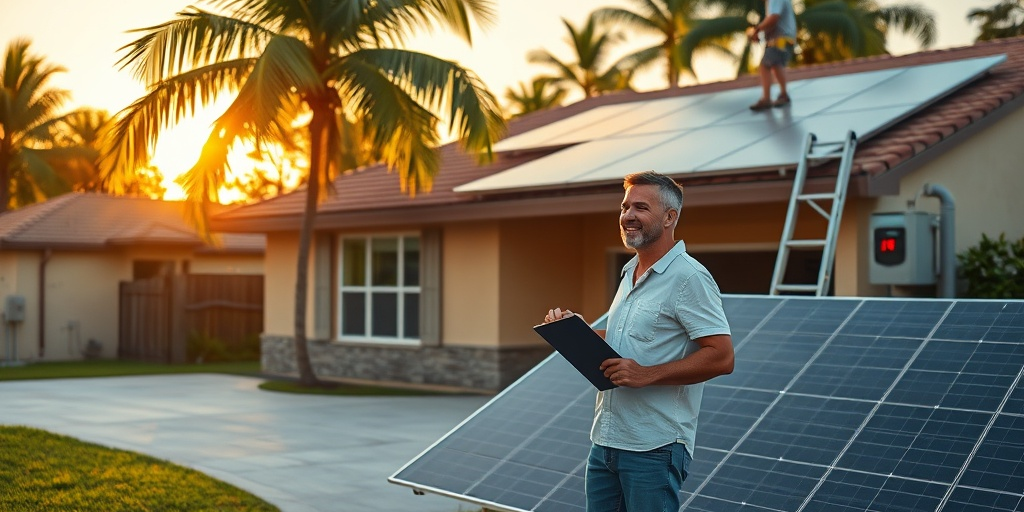
In 2025, Florida homeowners are facing an energy conundrum that is impossible to ignore: skyrocketing energy costs, grid instability from climate change impacts, and a growing urgency to find sustainable alternatives. Yet, a powerful myth remains pervasive—one that claims off-grid solar systems are simply too expensive for your home. In this blog post, titled Myth: Off-Grid Solar Systems Are Too Expensive for Florida Homes, we will dive deep into the misunderstandings surrounding off-grid solar systems, revealing the truth about their affordability and potential savings. Did you know that Florida residents could save an average of $170 a month on their electric bills by switching to solar (Energy.gov)? Moreover, with advancements in technology, the cost of solar panel installation in Florida has dropped by an impressive 65% in the last decade (SEIA.org). As we navigate the energy landscape in 2025, understanding off-grid solar systems is urgent and essential. Together, we will debunk common myths, review actionable steps for homeowners, provide best practices, and develop an action plan for your solar journey.
Let’s explore five key sections:
- Understanding Off-Grid Solar Systems
- Common Myths about Off-Grid Solar Systems
- Best Practices for Solar Installation
- Homeowners’ Experiences and Industry Insights
- Your Action Plan for Going Solar in 2025
Understanding Off-Grid Solar Systems: What You Need to Know
As traditional energy costs continue to rise, understanding the real functionality and affordability of off-grid solar systems becomes essential for Florida homeowners. Imagine the peace of mind that comes from harnessing the power of the sun while freeing yourself from rising utility bills. Off-grid solar systems stand as a beacon of independence, allowing homeowners to generate their own power without reliance on local utilities. But, are these systems too expensive for most Florida households?
Consider the example of Jane Doe, a Florida resident who decided to take the plunge. Faced with soaring electricity bills that spiked a staggering 20% year-over-year, she opted to invest in an off-grid solar system. Initially, Jane was apprehensive, fearing the cost would completely break the bank. However, after thorough research and consultation, she discovered that not only would her initial investment pay off, but it would also provide long-term savings and energy independence.
To navigate your own path towards affordable solar energy, start with the following checklist:
- Conduct a Home Assessment: Understand your home’s energy needs, roof orientation, and current energy consumption.
- Research Financial Incentives: Take stock of available federal and state tax credits that minimize upfront costs.
- Evaluate System Components: Research solar panels, batteries, and inverters that meet your energy needs.
- Consult with Experts: Reach out to certified solar professionals who can provide tailored advice.
- Plan for Maintenance: Understand ongoing maintenance costs for battery care and system upkeep.
Contrary to the belief that off-grid systems are overly complex and expensive, a 2025 study revealed that Floridians who go solar can recoup their investments in as little as 5-7 years due to dramatically decreased installation prices (SEIA.org). While the costs may seem high up front, the long-term savings on electricity bills, averaging $2,040 annually (Energy.gov), paint a drastically different picture.
Furthermore, for Floridians choosing to go off-grid, a crucial myth exists: one which suggests that these systems are so expensive that only the wealthy can afford them. While initial costs can be significant, financing options, local incentives, and the cumulative savings over time counteract this perception. By democratizing access to solar technology, we pave a way for more homeowners to consider off-grid living a viable option.
Myths about Off-Grid Solar Systems: Debunking Common Misconceptions
Myth #1: Off-Grid Solar Systems are Only for Wealthy Homeowners. While it might seem that only affluent consumers can invest in off-grid solutions, the reality tells a different story. With financing options available, many low and middle-income families are now finding solar systems within reach. In fact, federal tax credits allow homeowners to reclaim up to 26% of their system costs in 2022 and 2023 (Energy.gov). Over time, this financial relief significantly reduces the financial burden.
Myth #2: Off-Grid Solar Can’t Power My Entire Home. Many homeowners mistakenly believe that they cannot power their entire home with an off-grid solar system. In truth, modern systems can be designed to meet any demand — from basic needs to luxurious lifestyles. For instance, a typical Florida family who consumes 600 kWh/month can successfully utilize a properly sized off-grid system to cover all their energy needs reliably.
Myth #3: Going Off-Grid Means Sacrificing Convenience. Another misconception is that off-grid living would mean sacrificing comfort and lifestyle. In reality, advances in battery storage technology have made these systems not just feasible, but comfortable. By investing in efficient appliances and high-capacity batteries, off-grid homeowners can enjoy all the amenities of life without compromising on excellence or convenience.
Myth #4: Installation is Too Complicated. The technical details surrounding off-grid solar systems can be daunting. However, most installations can now be handled by professionals who will walk you through every aspect of the system. Plus, most companies offer warranties covering equipment, ensuring that your system’s installation is both smooth and worry-free.
Myth #5: Off-Grid Solar Energy is Not Reliable. This misconception assumes that solar when disconnected from the grid becomes unreliable. Yet, off-grid systems equipped with adequate energy storage solutions can provide consistent power even during inclement weather. The demand-based design paired with energy-efficient appliances assures that your home can function effectively regardless of sunlight availability.
With each myth debunked, the affordability and viability of off-grid solar systems become clearer. Understanding these common misconceptions and spreading the truth can empower more Floridians to embrace the benefits of solar energy.
Best Practices for Installing Off-Grid Solar Systems in Florida
If you’re committed to making the switch to solar power, several best practices will ensure you optimize your installation and maximize energy efficacy. Knowing your needs and planning ahead are paramount. Here’s how:
1. Evaluate Your Power Needs. Begin by reviewing your current energy consumption patterns. Utilize tools or apps that track your energy use to give you an accurate picture of your requirements.
2. Choose High-Quality Components. Do not skimp on essential parts like panels, inverters, and batteries. Higher-quality systems yield better results and warranties. Investing in durable products will yield benefits long after initial installation costs are forgotten.
3. Optimize Panel Placement. The location of your solar panels on your roof is crucial. Ensuring they’re positioned for maximum sun exposure can dramatically increase energy output. Generally, south-facing roofs are ideal in Florida.
4. Connectivity and Monitoring. Invest in a system with real-time monitoring to understand your energy production and consumption. This capability enables troubleshooting while providing reassurance of system performance.
5. Regular Maintenance. Schedule annual check-ups and maintain cleanliness on your solar panels. Dust and debris can lower their efficiency significantly; keeping them free of obstructions ensures energy optimization.
By adhering to these best practices, homeowners can sidestep common pitfalls while enhancing the reliability and life span of their off-grid solar installations.
A Florida Homeowner’s Solar Journey: The Real-Life Experience
Meet Tom and Sarah, who recently made the leap to off-grid solar living on their charming 2,200 square foot home in Cape Coral. Faced with rising utility bills and the persistent fear of power outages, the couple sought an alternative that would empower them instead of undermining them. They were apprehensive, believing that off-grid systems would be too financially burdensome and complex. However, with the assistance of a knowledgeable consultant, they were pleasantly surprised by how straightforward the transition could be.
Tom and Sarah began by understanding their energy needs and selecting an appropriate system. After thorough analysis, they opted for a solar array consisting of 20 panels paired with a high-capacity battery storage system that enabled them to harness solar energy efficiently, even on cloudy days. With an upfront investment of $18,000, they qualified for the federal tax incentive that reduced their costs significantly.
Throughout the installation process, the couple found it easy to learn how to monitor their energy output using an app and enjoyed the control it granted them. Within just a few months, they noticed a huge drop in their utility costs—by more than 60%!
Reflecting on their decisions, they expressed gratitude for debunking false narratives about going solar. Today, Tom and Sarah enjoy not only energy independence but also peace of mind, knowing their future is more secure against rising energy costs.
Your Action Plan for Going Solar in 2025
Now that you’re informed and inspired, it’s time to take actionable steps towards your solar future. Here’s a checklist to seamlessly navigate your transition:
- Audit Your Electric Bills: Gather your previous utility bills to calculate an average energy usage per month and identify trends.
- Research Financial Incentives: Investigate available state and federal incentives to reduce upfront costs.
- Consult with Experts: Reach out to certified solar professionals for personalized advice regarding system design and financing options.
- Choose the Right System: Select a solar array and battery system tailored specifically to meet your energy requirements.
- Plan for Maintenance: Establish a maintenance schedule for your solar system to ensure peak performance throughout its lifespan.
For many Florida homeowners, the stigma surrounding off-grid solar systems is far removed from the reality of their affordability and effectiveness. To learn more or to connect with an expert who can guide you through this process, visit floridaelectricandsolar.com.
Embarking on this journey means taking control of your energy destiny, achieving long-term savings, and contributing to a sustainable future. This is your moment to shine! Don’t let myths hold you back—make the solar leap today!
In conclusion, we have explored the real implications of investing in off-grid solar systems. By debunking prevalent myths, highlighting significant savings, and showcasing real homeowner joy, the picture becomes compelling and clear. You now have the tools to dismantle misconceptions that keep homeowners from embracing such an innovative solution. With rising energy costs and advancing technology, this journey has never been more timely.
Ready to start your solar journey in 2025? Connect with a certified expert at floridaelectricandsolar.com today.
Related Articles
More insights about Off-Grid Solar

Myth-Buster: Off-Grid Solar Systems Are Not Always Unaffordable

What You Need to Know About Off-Grid Solar Systems

How One Florida Business Reduced Costs with Off-Grid Solar Systems
Ready to Go Solar?
Have questions about solar energy? Our experts are here to help you make the switch to clean, renewable energy.