
Myth: Solar Battery Storage Won’t Save You Money in Florida
Share:
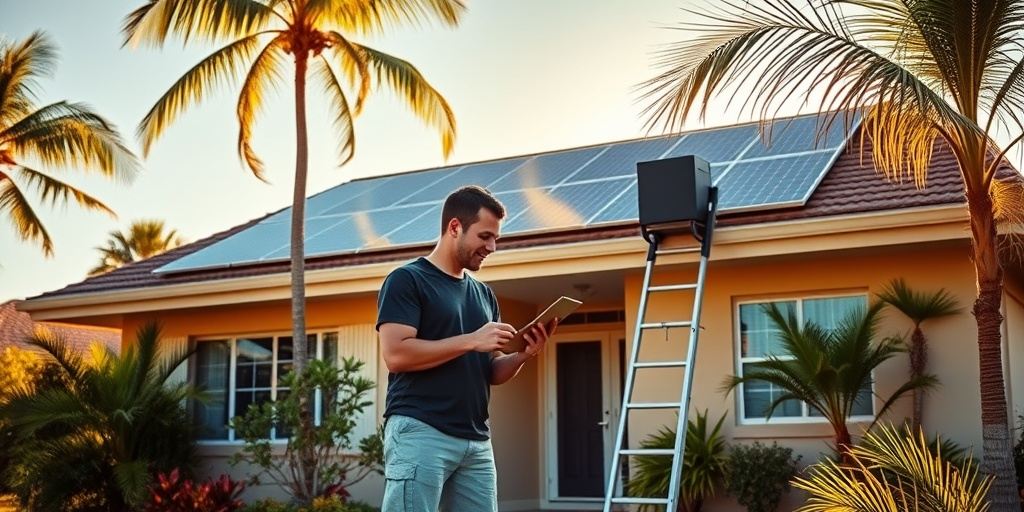
Did you know that homeowners with solar batteries can save an average of $1,000 a year on energy costs? This statistic may surprise some Floridians, especially those who believe the myth that solar battery storage won’t save you money in Florida. In a state celebrated for its sunny weather, transitioning to solar energy can significantly reduce your electricity bills—potentially saving you thousands over time. However, misconceptions continue to influence decision-making and discourage homeowners from investing in renewable energy solutions. As new solar incentives and the notable rise in energy costs for 2025 set the stage for growth in solar installations, now is an urgent time for Florida homeowners and commercial property owners to reevaluate their positions.
Although the initial investment in solar battery storage might deter some, numerous studies and local trends reveal a vivid picture of how solar power and battery systems can lead to substantial savings. For instance, Florida ranks among the top five states in solar panel installations, contributing to the surge in energy independence and cost benefits associated with renewable technologies (Energy.gov). There’s also a potential increase in property value—homes equipped with solar installations command higher market prices, making them an attractive investment for future-focused buyers.
In this article, we’re diving deep into the reasons behind the misconception that solar battery storage won’t save you money in Florida. Join us as we dismantle this myth and provide insights that can empower you to make informed choices regarding your solar journey in 2025. Here’s what we’ll cover:
1. An angled deep dive into real-life stories of Floridians who have successfully benefited from solar storage systems.
2. A detailed checklist of steps to assess if solar battery storage suits you.
3. A myth-busting examination addressing common misconceptions associated with solar batteries.
4. Local statistics to highlight the advantages of solar investment specifically for Florida residents.
5. A technical exploration to help you understand system designs and billing structures to maximize your solar savings.
Real-Life Stories of Floridians Who Found Value in Battery Storage
Imagine this: Mary, a retired schoolteacher living in Tallahassee, faced rising electricity bills that consumed a big chunk of her fixed income. Last summer, she made a pivotal decision—she installed a solar system with a battery storage unit. Despite her initial hesitation concerning costs, a significant case study demonstrates that her choice transformed her relationship with energy bills. By harnessing the power of solar energy combined with battery storage, Mary reduced her monthly expenses by over $200! Her story mirrors the experiences of many across Florida who have found financial relief through renewable energy systems.
Here are key features of Mary’s experience:
- Cost Reduction: She estimated savings of $2,400 on energy bills annually.
- Net Metering: With net metering policies in Florida, she could sell excess energy back to the grid.
- Increased Home Value: According to studies, homes with solar installations can gain up to 4.1% in value compared to homes without (Zillow.com).
As a checklist, if you are considering battery storage and solar energy, here are some actionable steps to think about:
- Assess Your Electricity Usage: Understand your monthly energy expenses and peak usage times during the day.
- Research Local Incentives: Look for federal and state incentives, including tax credits and rebates for solar installations.
- Consult with Professionals: Engage with solar experts to ensure that your home is a suitable candidate for solar energy.
- Examine Battery Options: Research different types of battery systems and their respective costs and benefits.
- Consider Financing: Explore financing options such as loans or leases that can help spread the initial installation cost.
Debunking Common Myths Surrounding Solar Battery Storage
In the battle against myths, we encounter a series of beliefs that circulate within both communities. Let’s debunk the most prevalent myths associated with solar battery storage with evidence:
- Myth #1: Solar Batteries Are Too Expensive – While upfront costs can be high, incentives and long-term savings often outweigh the initial investment. In fact, Florida offers a 30% federal tax credit on installations, making it financially attractive (SEIA.org).
- Myth #2: Batteries Are Unreliable and Unsafe – Modern battery technologies have advanced significantly and are rigorously tested for safety. For instance, Tesla’s Powerwall has a comprehensive warranty structure, offering 10 years of protection.
- Myth #3: Solar Power Is Only for Urban Areas – Rural homeowners also benefit immensely from solar, utilizing it to power homes far from the grid, thus reducing dependency.
- Myth #4: Batteries Don’t Provide Actual Savings – Groesbeck Electric reported that storage enables homeowners to use their stored solar energy later in the day, cutting costs during peak pricing times significantly.
- Myth #5: You Don’t Need Batteries if You Go Solar – While it’s true you can utilize solar without a battery, integrating one allows you to optimize savings, enhance resilience against grid outages, and improve sustainability by using your stored energy at night.
If you’re a Florida homeowner, understanding these elements is crucial for maximizing solar savings. There are numerous local policies that can directly affect the returns on your solar investment. For instance, data reflects that properties with solar installations in Florida enjoy property tax exemptions, which can lead to substantial financial benefits over time.
5 Expert Steps to Follow for Installing Solar Batteries in 2025
To optimize your installation and to ensure that your solar battery performs at its peak efficiency, consider adopting these expert steps:
- Evaluate Your Needs: Not all homes are the same. Analyze your energy consumption patterns and current needs before deciding on a size and capacity for your battery.
- Choose the Right Installation Company: Rely on reputable providers with proven results. Check for certified installers that can fulfill local regulatory requirements.
- Ensure Optimal Placement: Correct positioning of your solar panels can drastically improve efficiency. Avoid shaded areas to ensure maximum sun exposure throughout the day.
- Regular Maintenance Checks: Schedule annual maintenance to ensure that your battery remains healthy and effective, safeguarding against unexpected failures.
- Stay Updated on Incentives: Local incentives may change. Stay informed about evolving rebate programs to optimize your savings.
As you explore components, keep in mind that the typical lifespan of solar batteries can exceed a decade, which means that your investment can yield returns well beyond initial expenses.
A Day in the Life of a Solar-Powered Florida Homeowner
Let’s imagine the daily routine of Jen, a school district administrator living in Jacksonville, who recently invested in both solar panels and battery storage. Her story exemplifies how solar power has transformed her lifestyle, improved her financial stability and enhanced her awareness of sustainability. Here is a snapshot of a typical day in Jen’s life:
- Morning: Jen awakens each morning to a partially charged battery. The energy from last night’s solar collection keeps her morning coffee maker brewing and her lights shining—without any cost incurred!
- Afternoon: As her children return home from school, they have a steady stream of power available to charge their devices, play video games, and consume electricity without worrying about rising costs.
- Evening: During peak hours, when energy prices soar, Jen taps into her stored solar energy, avoiding hefty electric bills.
- Weekend: Jen can host family gatherings without concern for energy consumption, knowing that her solar system provides a reliable source of energy.
In addition to improving her day-to-day life, her investment in renewable energy has provided additional benefits: increased energy independence, protection against grid outages, and enhanced property value. Homeowners in Florida see a property value increase of around 4% when solidifying their commitment to solar, highlighting the financial advantages long-term (Zillow.com).
Next Steps for Florida Solar Buyers in 2025
Ready to embark on your solar journey? Here’s a straightforward action plan to guide you through the process:
- Step 1: Audit Your Electric Bill: Take a hard look at your recent energy bills to better understand your consumption patterns. Identify the months you spend the most, and how much energy you’re consuming on average.
- Step 2: Consult Local Solar Providers: Schedule consultations with various solar companies. Gather quotes and evaluate their experience, warranties, and customer satisfaction rates. Look for seasoned experts who understand local market dynamics.
- Step 3: Calculate Potential Savings: Use solar savings calculators that can estimate your potential losses and gains depending on estimated solar production, local rates, and incentives.
- Step 4: Review Financing Options: Explore zero-interest loans and property assessed clean energy (PACE) financing as ways to afford solar. This will ease any financial strain from upfront costs.
- Step 5: Schedule Your Installation: Once you’ve chosen your system, work with your installer to finalize the design, schedule the installation, and prepare for inspection and connection.
As you engage with these steps, remember that the expertise present in the solar sector can help smooth your transition to clean energy. Getting in touch with local professionals can simplify the process, make it feel seamless, and lead you to enjoy significant long-term savings.
In Conclusion, the myth that solar battery storage won’t save you money in Florida can be put to rest as we’ve uncovered the many truths surrounding it. It’s essential to understand the rapid evolution occurring in the solar and battery industry alongside the changing local incentives. From real stories illustrating transformative shifts toward financial savings to practical steps that can guide you on your path to solar energy, the potential returns are hard to ignore. Now, more than ever, Floridians have the power to own their energy solutions and control their financial destiny.
Ready to start your solar journey in 2025? Connect with a certified expert at floridaelectricandsolar.com today.
Related Articles
More insights about Battery Storage

What Is a Solar Battery and How Does It Store Power for Your Florida Home?

Beginner’s Guide to Solar Battery Storage Essentials

Florida Homeowners: Unlock Benefits of Solar Battery Storage Today
Ready to Go Solar?
Have questions about solar energy? Our experts are here to help you make the switch to clean, renewable energy.