
Myths About Solar Incentives You Should Ignore
Share:
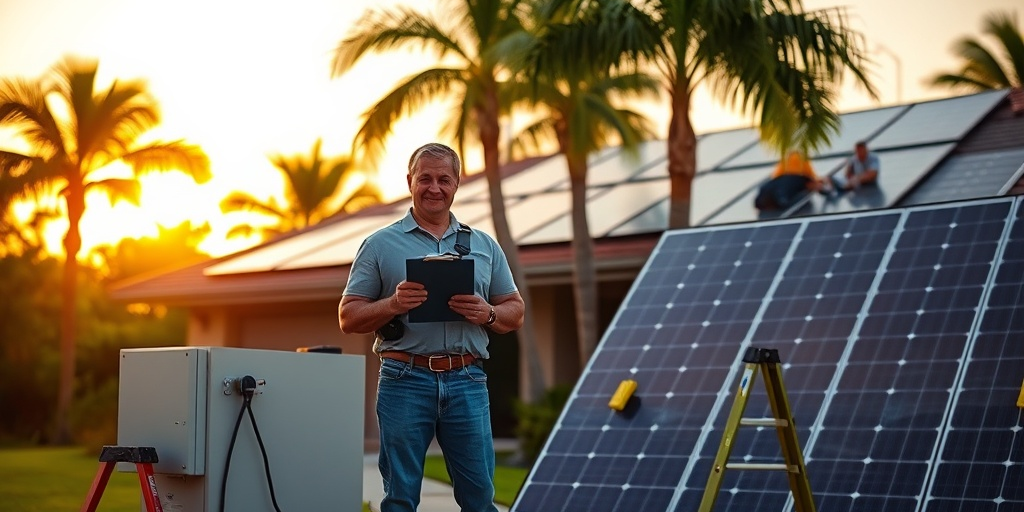
Did you know that homeowners in Florida can save over $15,000 on energy costs over the lifespan of their solar power system? That’s a staggering figure that underscores the potential of solar energy, especially as we approach 2025, when new incentives will further enhance these savings. However, amidst the promise of solar energy lies a landscape riddled with myths and misconceptions. In our article, Myths About Solar Incentives You Should Ignore, we’ll arm you with the facts you need to separate truth from fiction. Understanding these myths is crucial as energy costs continue to rise, alternative energy incentives become available, and more homeowners seek independence from traditional utility providers.
As we prepare for a brighter future powered by solar energy, we’ll break down five essential sections that dismantle the most common myths surrounding solar incentives. First, we’ll embark on an emotional case study of a Florida family that took the plunge into solar. Next, we’ll provide you with a simple checklist that transforms confusion into clarity. From there, we’ll dive into a detailed myth-busting session. Expect a local focus on Florida’s specific conditions and incentives, followed by a technical deep dive into the mechanics of solar energy and billing. Finally, we’ll present actionable steps for you to start your journey into solar energy. Let’s clear the myths so you can embrace the power of solar.
Real Stories: A Florida Family’s Journey Through the Myths of Solar Incentives
Meet the Johnson family of Sarasota, Florida, who faced the daunting decision of whether to invest in solar energy. With two teenage kids and a household of rising electric bills, the Johnsons were weighing their options. What worried them most wasn’t the upfront cost of the solar panels but the numerous myths they’d heard about solar incentives. Through the fog of misconceptions, they found clarity—and substantial savings.
Initially, the Johnsons believed they were not eligible for solar tax credits and residential incentives due to their home’s location. However, they soon discovered that Florida offers a plethora of incentives, including Property Tax Exemption for Solar Energy Systems and net metering options that slash their utility expenses (DSIREUSA.org). In 2025, these incentives are expected to become even more favorable, allowing Florida homeowners to take full advantage of them.
After conducting thorough research, including consulting with Florida Electric & Solar, the Johnsons learned that an average homeowner could save substantially—up to $30,000 over the life of a solar system when considering energy cost savings and state rebates. They proceeded to install a 10kW solar system and immediately began reaping the benefits. During the first year alone, their electric bill dropped by 70%, and they were able to sell excess energy back to the grid through net metering, earning them additional funds.
Here’s a checklist for any Florida homeowner considering solar:
- Research local incentives: Understand what tax credits and rebates are available in your area.
- Consult with solar experts: Speak to trusted companies like Florida Electric & Solar for tailored advice.
- Calculate potential savings: Estimate your savings both short-term and long-term with precise figures.
- Explore financing options: Different financing methods can make solar more accessible.
- Evaluate your home’s solar potential: Assess roof orientation, shading, and space for panels.
As the Johnsons learned, misinformation can impede informed decision-making. Debunking myths about solar incentives is essential for maximizing solar savings in 2025.
5 Common Myths About Solar Incentives Debunked
Are you confused about solar incentives? You’re not alone. Many Florida homeowners believe several myths that can deter them from embarking on their solar journey. Let’s debunk these together to reveal the truth.
- Myth #1: I don’t qualify for tax credits. Many believe they’re ineligible for federal solar tax credits. However, if you pay federal taxes and install a solar system, you likely qualify for the 26% tax credit available until 2023—and a stepped-down credit thereafter (SEIA.org).
- Myth #2: Solar panels require a lot of maintenance. Another common misconception is that solar panels require constant upkeep. In reality, solar systems are typically low-maintenance and only require occasional cleaning. Most solar panel installers offer warranties that last 20-25 years.
- Myth #3: Sunlight is required year-round for solar to be effective. Many people think solar panels only work during sunny weather. In fact, solar panels can generate electricity even on cloudy days. They simply produce less energy than on clear, sunny days (SolarReviews.com).
- Myth #4: Solar installation costs too much upfront. While upfront costs can appear daunting, various financing methods and incentives significantly reduce the overall expenditure. Additionally, many Florida homeowners see a return on their investment within five to seven years due to reduced energy bills.
- Myth #5: Solar energy systems detract from the beauty of my home. Many worry that solar panels will ruin their curb appeal. However, advancements in solar technology have led to sleeker, more aesthetically pleasing designs that complement homes rather than detract from them.
By recognizing and debunking these common myths, Florida homeowners can feel empowered to make informed decisions about solar energy. Next, let’s explore how you can integrate solar into your home responsibly and efficiently.
5 Expert Tips for a Successful Solar Installation in 2025
When it comes to installing a solar system, every decision matters. Here are five expert tips to ensure that your solar energy journey is successful and rewarding.
Tip #1: Don’t skimp on your research. Understanding the ins and outs of solar solutions will help you maximize your investment. Compare different solar vendors, read customer reviews, and assess their credentials. It’s wise to go with a certified professional who knows the ins and outs of Florida regulations.
Tip #2: Evaluate your home’s solar potential. The placement and orientation of your roof dramatically affect its solar potential. Conduct a solar assessment to determine the best panels for your space. Additionally, using tools like solar calculators can give insights into expected energy savings.
Tip #3: Choose high-quality equipment. Not all solar panels are created equal. Invest in reputable brands with proven performance and durability. Remember, cheaper options may lead to higher costs down the road in repairs or replacements. Quality equipment will serve you well, especially in Florida’s unique climate.
Tip #4: Consider installing battery storage. Battery storage systems can retain excess energy produced during sunny days and allow you to use it during peak hours or at night. Florida homeowners considering longevity should weigh the benefits of including this technology as part of their solar system.
Tip #5: Stay informed about changing regulations. As regulations vary significantly, a comprehensive understanding of Florida’s energy policies will help you navigate your solar journey. Staying updated on changes will ensure you’re taking full advantage of all available incentives and rebates.
By adhering to these expert tips, you will set yourself up for a positive solar energy experience. Now, let’s dive deeper into understanding the latest industry data impacting Florida homeowners.
A Deep Dive into Florida’s Solar Landscape and Projections
As solar technology advances, so too does the landscape of solar incentives in Florida. Homeowners are faced with dynamic choices and changing policies that can impact the economics of their solar systems. A recent report indicates a projection of over 10% annual growth in residential solar installations through 2025, as Florida becomes a leading state for solar adoption (NREL.gov).
Let’s explore key components affecting Florida residential solar systems today:
- Net Metering Policies: Florida’s favorable net metering policies allow homeowners with solar systems to receive credits for the excess electricity generated, ultimately lowering their electric bills.
- Rising Utility Rates: Projects estimate that utility rates will continue to rise, prompting more Florida homeowners to explore solar energy as a viable alternative. Investing in solar now can shield you against future spikes in electric costs.
- State and Local Incentives: Beyond federal incentives, Florida offers additional local incentives that can further reduce installation costs. Understanding these options is vital to maximizing savings.
As the solar market evolves, so do opportunities for Florida homeowners. Addressing the misconceptions surrounding solar energy can lead to well-informed decisions. So how should one get started? Let’s outline next steps specifically tailored for Florida homeowners looking to go solar in 2025.
Next Steps for Florida Solar Buyers in 2025
If you’re ready to harness the power of the sun, here’s a simple, actionable checklist to guide you through the process:
- Step 1: Audit Your Electric Bill. Start by reviewing your past electricity bills to understand your usage and identify potential savings with solar. An energy audit can provide insights into your current expenses.
- Step 2: Research Available Incentives. Take the time to explore both federal and state incentives. Consider working with reputable solar companies that can help you navigate the available rebates and tax credits.
- Step 3: Get Multiple Quotes. Ensure you’re choosing the best offer by obtaining several quotes from installed systems. Compare prices, warranties, equipment, and installation services.
- Step 4: Assess Financing Options. Explore different methods of financing your solar installation including loans, leases, and power purchase agreements (PPAs). Understanding your options can make solar more affordable.
- Step 5: Schedule Your Solar Installation. After gathering all the necessary information and securing financing, you are ready to set up your installation with your chosen provider. Timing can be key, so look out for seasonal promotions.
By following these straightforward steps, Florida homeowners can efficiently navigate their solar energy journey in 2025. Information is power, and by dispelling myths, understanding incentives, and taking action, you’re on your way to a future where you own your power.
As we reflect on the current state of solar energy in Florida, the urgency to act and invest in solar is clear. With rising utility costs, the promise of significant savings, and incentives available that are only becoming more favorable, now is the moment to embrace this transition.
Are you ready to start your solar journey in 2025? Connect with a certified expert at floridaelectricandsolar.com today.
Related Articles
More insights about Solar Incentives

Are Solar Panels Worth It in Florida? (2026 Guide)

How Can Solar Incentives by State Benefit Florida Homeowners

10 Essential Solar Incentives Every Florida Homeowner Should Know
Ready to Go Solar?
Have questions about solar energy? Our experts are here to help you make the switch to clean, renewable energy.