
Tampa Homeowners: How Solar Battery Storage Boosts Your Savings
Share:
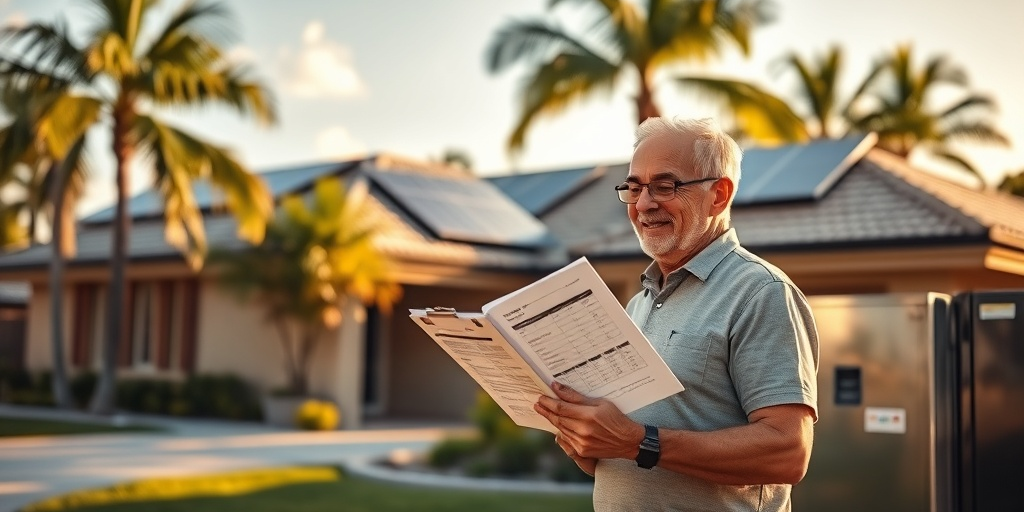
Did you know that Florida ranks second in the nation for solar capacity? In fact, by the end of 2023, the state had hit a staggering 7.8 gigawatts of installed solar power (SEIA.org). Yet, despite this progress, many Tampa homeowners are still missing out on the financial benefits that come from incorporating solar battery storage into their homes. Imagine not only generating your own clean energy but also having the ability to store it for use during peak hours when electricity bills skyrocket. This ability not only enhances your home’s efficiency but also significantly boosts your savings. So, how exactly can solar battery storage improve your everyday life? That’s what we’ll explore in this article titled Tampa Homeowners: How Solar Battery Storage Boosts Your Savings. As we move into 2025, the urgency to make the switch to solar power has never been greater, thanks to rising energy costs, new state incentives, and ever-increasing grid instability due to climate change. There’s no better time than now to embrace this renewable power.
In this article, we’ll cover five essential sections: First, we’ll explore a real-life case study of a Tampa homeowner who transformed their energy usage through solar battery storage. Then, we’ll provide a practical checklist you can follow to get started on your own solar journey. After that, we’ll debunk myths surrounding solar batteries that could be holding you back. We’ll follow this with a local focus on Florida-specific data and incentives that benefit you as a homeowner. Finally, we’ll dive deep into the technical aspects of solar technology, including battery types and billing mechanisms. Ready to transform your energy landscape? Let’s dive in!
Case Study: A Tampa Homeowner’s Solar Breakthrough
Meet John and Lisa, a Tampa couple who decided to embrace solar power after noticing their soaring electric bills. Like many Florida homeowners, they had heard about solar panel installations but were concerned about energy reliability and upfront costs. In 2023, they took the plunge and installed a comprehensive solar system with battery storage. Their motivation: reduce electric bills, contribute to a greener earth, and have backup power during outages.
After the initial setup, they noticed remarkable changes. Their average monthly electric bill dropped from approximately $250 to a mere $40! This astounding 84% reduction in cost was attributed to smart energy usage and the integration of solar batteries that stored energy collected during the day for use at night (Florida Solar Power, 2023). This meant they not only produced their own energy but also managed to maximize their savings effectively.
Installing a lithium-ion battery storage system allowed John and Lisa to store excess energy generated during sunny days for later use. As a result, they could power their home during peak hours when energy costs are typically higher. The battery paid for itself in just over three years and has a life expectancy of around 10 years. As a cherry on top, they took advantage of the Federal Solar Investment Tax Credit, which provided a substantial tax refund, making the investment even more attractive.
In addition to the financial benefits, John and Lisa also felt a sense of empowerment. Being able to own their power gave them a confidence boost, knowing they were contributing to a sustainable future for their children in Tampa. This story reflects a growing trend among Florida homeowners who are transitioning to solar battery storage and realizing significant savings.
As we move through this article, consider how taking similar steps could significantly benefit you too. Ready to take action? Let’s move to our next section!
5 Actionable Steps to Transition to Solar Battery Storage
Transitioning to solar battery storage doesn’t have to be complicated. Below is a detailed checklist designed for Tampa homeowners looking to maximize their savings with solar energy.
- Step 1: Audit Your Current Energy Bills
Understand your consumption patterns by reviewing the last twelve months of electricity bills. Identify peak usage times, and see where you could save by generating and storing your energy. - Step 2: Research Local Incentives
Florida offers several incentives for solar energy, including net metering and property tax exemptions for solar systems. Visit floridaelectricandsolar.com to learn more about the latest offerings. - Step 3: Consult with Professionals
Finding reputable solar installers is key. Seek out certified companies with solid customer reviews and local experience. Professional installation ensures optimal performance and access to the best technologies. - Step 4: Choose the Right Battery System
Research various battery systems available in Florida. Options include lithium-ion and lead-acid types, each with its pros and cons regarding costs, efficiency, and longevity. Selecting the right battery can lead to better output and reliability. - Step 5: Monitor Your Energy Use
Once your system is installed, use apps or online platforms to track your energy generation and usage patterns. This could help you fine-tune your energy habits for maximum savings.
By following these steps, Tampa homeowners are well on their way to harnessing the power of solar energy effectively. Up next, let’s separate fact from fiction and clear up the misconceptions surrounding solar energy and battery storage.
Myth-Busting: Common Misconceptions About Solar Energy
Despite the growing popularity of solar energy, several myths continue to circulate, deterring potential adopters. Let’s debunk some of the most common misconceptions about solar battery storage!
- Myth #1: Solar Battery Storage Is Too Expensive
While initial costs may appear high, advancements in technology and government incentives significantly reduce long-term expenses, making solar batteries a wise investment for many homeowners. - Myth #2: Batteries Are Not Efficient
This could not be further from the truth! Modern batteries, such as lithium-ion, have efficiency rates exceeding 90%. This means that very little energy is wasted during storage and usage. - Myth #3: Solar Energy Does Not Work on Cloudy Days
While sunny days produce the most energy, solar panels can still generate power on overcast days. In fact, they can capture diffused sunlight and still operate efficiently. - Myth #4: Going Solar Requires a Significant Upfront Investment
Many financing options and leasing arrangements are available for homeowners. Additionally, the Federal Solar Investment Tax Credit can cover a part of the installation costs, easing financial burdens. - Myth #5: Solar Power Requires a Lot of Maintenance
In truth, solar systems need minimal upkeep. Regular cleaning and occasional checks can ensure that they function optimally. Most systems come with warranties spanning 20–25 years!
When embarking on your solar journey, arming yourself with accurate information is crucial. Understanding these myths will empower you to make the right decision for your home! Now let’s focus on how Florida homeowners can uniquely benefit from solar.
Florida-Specific Insights into Solar Power
Florida, known as the Sunshine State, is an ideal environment for solar energy, and it’s not just about the sun! Leveraging local incentives is a crucial step for homeowners looking to install solar battery storage.
Currently, over 1 million Floridians are enjoying the benefits of solar energy, with installations growing by an astounding 25% annually (Solar Reviews). Here are some Florida-specific insights and programs available for homeowners:
- Net Metering: This policy allows you to sell excess energy back to the grid, giving you credits that reduce your overall electric bills!
- Property Tax Exemption: Florida does not tax the incremental value added to your home due to solar energy system installation, allowing you to benefit from upgraded property value without tax burden.
- Federal Tax Credits: Homeowners can take advantage of a 26% federal tax credit on the total price of solar installation in 2025, ensuring significant savings upon setup.
- State Rebates: Certain Florida utilities offer rebates for solar battery installation, making it an even more enticing option for homeowners. Check with your local utility provider to explore available programs.
As a Tampa homeowner, these insights can create a robust financial case for transitioning to solar energy. They help you streamline your budget and maximize savings along the way. Ready to understand the technical aspects of solar systems? Let’s delve deeper into that!
Technical Deep-Dive: Understanding Solar Battery Systems
To make informed decisions about solar battery storage, it’s essential to grasp the basic technology and its components. Understanding the mechanics behind these systems will boost your confidence, allowing you to make the best choices for your home.
Firstly, solar batteries store energy produced by solar panels. The two primary types of batteries used in solar systems are:
- Lithium-Ion Batteries: These have a high energy density, offer efficient discharge rates, and possess a longer lifespan than traditional alternatives. They are also lightweight and require minimal maintenance.
- Lead-Acid Batteries: While cheaper, they tend to have a shorter lifespan and lower efficiency compared to lithium-ion batteries. For homeowners considering battery storage, it’s worth evaluating the upfront costs against long-term energy savings.
Moreover, the inverter system plays a pivotal role in a solar battery system. The inverter converts DC electricity generated by solar panels into AC electricity, which powers your home, and simultaneously charges your batteries. Modern inverters even come with advancements that allow for monitoring your energy system via an app. This feature enables you to observe energy production trends and usage data in real-time, promoting better energy management.
Lastly, understanding battery capacity—measured in kilowatt-hours (kWh)—is vital. It determines how much energy you can store. If your household typically consumes 30 kWh per day, a 10 kWh battery would only supply about one-third of your needs, emphasizing the importance of sizing your battery array right.
The landscape of solar energy is always changing, and keeping abreast of technological advancements ensures you get the best out of your investment. Now, armed with this wealth of knowledge, it’s time to take action. Let’s discuss the concrete steps you can take to switch to solar successfully!
Next Steps for Florida Solar Buyers in 2025
Transitioning to solar battery storage can feel daunting, but with a structured action plan, you can simplify the process. Below are easy-to-follow steps tailored for Tampa homeowners ready to go solar!
- Research and Education
Learn about solar energy, battery technology, and local incentives by visiting floridaelectricandsolar.com and reading reliable sources. Go into consultations well-informed to ask pertinent questions. - Consult Solar Experts
Scheduling consultations with at least three different solar companies is crucial. Obtain detailed quotes and pay close attention to warranty options, maintenance services, and available technology. - Get Multiple Bids
It’s essential to compare pricing. Look for a contractor who also understands Florida-specific regulations. The more options you have, the better position you’ll be in to make a decision that benefits your finances. - Finalize Your System
Once you’ve made a choice on system type, layout, and installers, finalize your plans! Schedule installations keeping seasonal weather in mind, factoring in schedules for permits and inspections. - Celebrate and Monitor
After installation, celebrate your new system and immediately begin monitoring performance. Create adjustments as necessary to optimize energy use and ensure maximum savings.
By following these steps, Tampa homeowners can make informed decisions about transitioning to solar power, paving the way to significant savings and sustainability. As we wrap up this journey, let’s recap the pivotal points we discussed.
Conclusion
Solar battery storage will play an essential role in shaping the energy landscape for Tampa homeowners in 2025 and beyond. It’s not merely about the immediate savings but also the broader impact of transitioning to clean energy for future generations. We shared a compelling story that highlights the benefits seen by real homeowners, actionable steps to get started, and dispelled myths that could hold you back. We delved into Florida-specific incentives tailored for you, and explored the inner workings of solar technology to empower your choices.
The decision to invest in solar energy is more critical now than ever. Rising utility costs and environmental concerns make transitioning to solar a smart move. Are you ready to transform your home into an energy-efficient haven? The time is now to take the plunge!
Ready to start your solar journey in 2025? Connect with a certified expert at floridaelectricandsolar.com today.
Related Articles
More insights about Battery Storage

What Is a Solar Battery and How Does It Store Power for Your Florida Home?

Beginner’s Guide to Solar Battery Storage Essentials

Florida Homeowners: Unlock Benefits of Solar Battery Storage Today
Ready to Go Solar?
Have questions about solar energy? Our experts are here to help you make the switch to clean, renewable energy.