
A Technical Deep-Dive into Off-Grid Solar Systems for Energy Independence
Share:
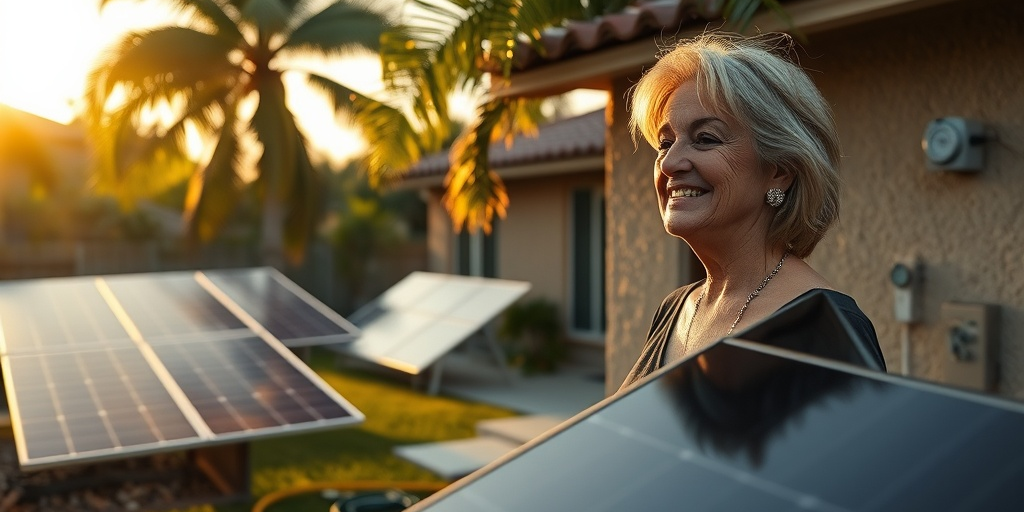
In 2025, owning your energy independence might not just be a dream—it’s increasingly becoming a necessity. As the threat of grid instability looms larger and energy prices soar, many individuals and businesses in Florida are turning to alternatives, with off-grid solar systems shining brightly as a viable solution. In fact, a staggering 85% of Florida homeowners express interest in utilizing solar energy to combat rising electric bills (SolarReviews.com). This shift underscores the relevance of our discussion today on “A Technical Deep-Dive into Off-Grid Solar Systems for Energy Independence.” But what exactly makes off-grid solar systems so essential, and what are the tangible benefits, as well as challenges, associated with them? That’s what we will explore. From case studies that illustrate real-world applications to practical checklists for implementation, this in-depth guide will cover:
- The emotional impact of energy independence through a case study.
- A practical checklist for selecting and installing an off-grid solar system.
- Myth-busting common misconceptions surrounding off-grid systems.
- Florida-based considerations, regulations, and incentives.
- A technical breakdown of key components involved in an off-grid solar system.
Whether you are a skeptical homeowner or a business owner exploring sustainability, understanding the nuances of off-grid solar systems could lead to significant cost savings and a sense of self-sufficiency in an uncertain energy landscape. Stick with us as we unpack these crucial insights.
Unlocking the Potential: A Case Study on Off-Grid Solar Systems
Meet Sarah and David, Florida-based homeowners who have made the leap into energy independence through an off-grid solar system. Disillusioned by the soaring energy prices—Florida’s average electric bill has seen an increase of nearly 38% over the last decade (NREL.gov)—they decided to invest in a solar configuration that would not only power their home but also foster a sense of autonomy over their energy usage. The decision to go off-grid emerged from a desire to escape the monopoly of utility companies, coupled with an aspiration to embrace sustainability.
The couple began their journey by consulting with a local solar expert who guided them through the complex landscape of off-grid systems. This included evaluating their energy consumption, locating the best solar panel types, and assessing battery storage options. By pooling their efforts, they monitored their monthly usage effortlessly and tailored a system that reliably provided enough energy to support their electric appliances, allowing them to live without depending on the grid.
Checklist for Homeowners Going Off-Grid:
- Assess Your Energy Needs: Calculate your average monthly consumption, considering appliances and seasonal changes.
- Choose the Right Solar Panels: Select efficient panels tailored to Florida’s sunny climate for maximum output.
- Battery Storage: Invest in high-quality batteries that match your solar generation capacity and daily usage.
- Inverter Selection: Ensure you install a reliable inverter that can handle your capacity needs effectively.
- Connect with Experts: Partner with certified solar professionals for installation and maintenance support.
As their installation progressed, Sarah and David’s system began to take shape. They faced challenges, including initial costs, often seen as a barrier for many potential solar adopters. However, they also discovered federal tax credits covering 30% of their system cost, alongside state incentives particularly aimed at increasing solar adoption amongst Floridians. This further motivated them to move forward!
Through dedication and expert guidance, Sarah and David not only reclaimed their energy independence but also established a sustainable lifestyle. They felt the rewarding impact of offsetting nearly 100% of their electric bills, saving them thousands of dollars yearly. Furthermore, the psychological benefits of self-sufficiency and environmental consciousness fostered a deeper connection to their Florida home.
The case of Sarah and David highlights the growing appeal of off-grid solar systems. Indeed, recent statistics reveal that over 2 million residential solar systems are currently installed across the United States, indicating the popularity and reliability of solar technology (SEIA.org). The parallel momentum in Florida, coupled with favorable weather and incentive programs, places residents in a prime position to consider off-grid solutions. Let’s move to demystify some misconceptions about these energy systems, ensuring you’re well-informed in this pivotal decision.
Myth-Busting Common Misconceptions About Off-Grid Solar
Many people find themselves apprehensive when faced with the prospect of transitioning to an off-grid solar system. Misconceptions run rampant, which often deters interested homeowners. Let’s debunk the myths surrounding off-grid solar systems to encourage adoption among Florida homeowners.
Myth #1: Off-Grid Systems Are Incredibly Expensive
While initial installation costs can seem daunting, consider this: the long-term savings from avoiding utility bills often outweigh the upfront investment. With the additional outline of federal and state incentives, the initial financial burden might be significantly lesser than anticipated.
Myth #2: Off-Grid Systems Are Unreliable
Contrary to this belief, modern off-grid solar technologies are equipped with efficient batteries and inverters that collectively enhance reliability. Homeowners like Sarah and David have demonstrated that it’s possible to create a sustainable energy source even through the hot and humid Florida summers.
Myth #3: You Can’t Power Everything Off-Grid
While some limitations exist, it’s entirely feasible to run most standard appliances with an appropriately designed system. A tailored approach, considering energy usage patterns, can allow homeowners to power their refrigerators, air conditioning, and more with ease.
Myth #4: Solar Energy Isn’t Sustainable
Coupled with energy-saving initiatives, solar panels provide a clean energy source, directly contributing to the reduction of carbon emissions. Off-grid systems enhance sustainability further by promoting energy independence and less reliance on imported fossil fuels.
Myth #5: It’s Too Complicated to Install
Complications regarding system installation are often exaggerated. With the assistance of certified installers, navigating the process becomes straightforward. They guide you through every step, ensuring you comprehend the technical aspects involved.
By debunking these myths, we pave the way for a more informed and empowered decision-making process for Florida homeowners contemplating off-grid solar systems. The benefits become clearer when aligning them with local incentives specifically designed for renewable energy adoption. Let’s explore further how Florida’s solar landscape supports this transition.
The Local Focus: Solar Opportunities in Florida
With a plethora of sunshine year-round, Florida stands at the forefront of solar energy opportunities. Numerous state policies and incentives are geared towards promoting solar adoption, making it the perfect backdrop for ventures into off-grid solar systems. Let’s explore some of these opportunities that can significantly affect your decision.
- Net Metering: Various utility companies in Florida still offer net metering options, enabling homeowners to receive credits for excess energy fed back into the grid. This financial benefit can help alleviate costs incurred during cloudy days when solar generation may be lower.
- Property Tax Exemptions: In Florida, solar systems are exempt from property tax, allowing homeowners to enjoy the benefits of solar without increasing their property tax obligations.
- Income Tax Credits: Floridians can take advantage of the federal solar investment tax credit, which offers significant savings on the cost of solar installations.
- State Rebates: The Florida Solar Energy Center provides varying state rebates for solar system installations, another avenue for homeowners to offset initial costs.
- Community Support: Numerous community resources and workshops focus on educating homeowners about solar options, fostering a collaborative environment conducive to solar adoption.
Amidst these vibrant opportunities, rising concerns about climate change and natural disasters heighten the urgency for Florida residents to consider energy independence. Investing in an off-grid system not only supports sustainability efforts but also gives homeowners a degree of control in times of unpredictability.
To cement these benefits further, many residents like Sarah and David have opted into maintaining energy independence in preparation for potential storms and outages. While the grid remains subject to disruptions, off-grid systems provide the necessary reliability and peace of mind.
Understanding the Core Technologies: A Technical Deep-Dive
As we venture deeper into the essence of off-grid solar systems, it’s pivotal to gain insights into the technologies involved—the very components that allow solar systems to function harmoniously and effectively.
To start off, let’s break down the primary components:
- Solar Panels: The most recognizable piece of off-grid systems, panels, convert sunlight into electricity. In Florida, selecting high-efficiency panels is vital to harness their full potential under direct sunlight.
- Inverters: Convert direct current (DC) generated by solar panels into alternating current (AC) used by appliances. Choosing an inverter that matches your energy needs is critical for optimized system performance.
- Battery Storage: Batteries capture excess solar energy produced during the day for use at night or cloudy days. Lithium-ion batteries are becoming more popular due to their longevity and efficiency.
- Charge Controllers: Essential for maintaining battery health, these devices regulate the flow of energy to avoid overcharging and can prolong battery life significantly.
Understanding these components allows homeowners to make informed decisions concerning their solar installations. Many homeowners fear not having the technical expertise to build an off-grid system, but as highlighted before, certified solar professionals are available to navigate this learning curve effectively.
Furthermore, as you deepen your understanding of your solar system’s requirements, consider state policies regulating installations to stay compliant while maximizing incentives. Having a firm grasp in this dimension enables you to build an efficient system tailored to both personal and environmental needs.
Next Steps for Florida Solar Buyers in 2025
As we conclude our journey through the labyrinth of off-grid solar systems, let’s provide actionable steps for Florida homeowners eager to embrace their energy independence. Following a structured approach will streamline the process for potential solar adopters.
- Step 1: Audit Your Electric Bill: Use your past month’s bills to analyze consumption patterns and determine your required solar capacity. Understanding your energy needs is critical.
- Step 2: Research Local Solar Providers: Identify certified solar installers with positive reviews, focusing on their experience with off-grid systems.
- Step 3: Evaluate Financing Options: Explore federal and state solar incentives that can significantly alleviate initial costs. Determine looking for options like solar loans or leases.
- Step 4: Design a Customized System: Work with your solar provider to create a system tailored specifically to your energy usage. Factor in areas like battery storage and inverter quality.
- Step 5: Install and Monitor: Following installation, actively monitor your system’s performance and hold periodic checkups to ensure longevity.
By adhering to this straightforward roadmap, homeowners can transition smoothly towards implementing an off-grid solar power solution that aligns with personal and environmental goals. Furthermore, support remains readily available, including from local experts at floridaelectricandsolar.com, ensuring peace of mind every step of the way.
Our exploration of “A Technical Deep-Dive into Off-Grid Solar Systems for Energy Independence” encapsulates a crucial narrative every Florida homeowner should heed. By addressing myths, detailing technical components, and showcasing local benefits, we empower individuals to make informed decisions that affect not only personal finances but also the broader environment.
With a bright future for renewable energy ahead, the time has never been more opportune to embark on your solar journey. In summary, moving towards an off-grid solar system might just be the key to enhancing your quality of life while ensuring sustainability in an uncertain energy climate.
Ready to start your solar journey in 2025? Connect with a certified expert at floridaelectricandsolar.com today.
Related Articles
More insights about Off-Grid Solar

Myth-Buster: Off-Grid Solar Systems Are Not Always Unaffordable

What You Need to Know About Off-Grid Solar Systems

How One Florida Business Reduced Costs with Off-Grid Solar Systems
Ready to Go Solar?
Have questions about solar energy? Our experts are here to help you make the switch to clean, renewable energy.