
A Technical Deep-Dive into Off-Grid Solar Systems Explained
Share:
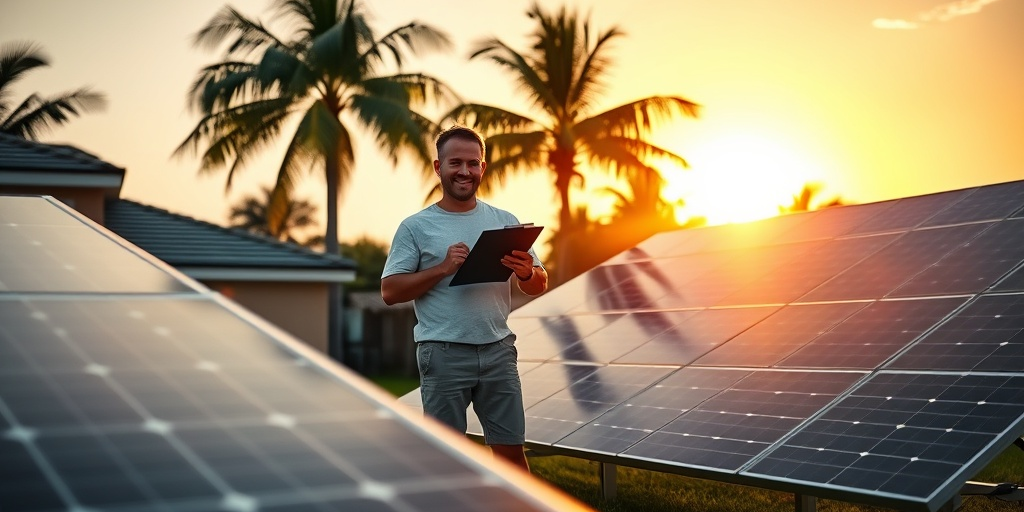
Did you know that over 20% of Florida’s electricity is generated from solar energy as of 2023? This statistic is just a glimpse of the remarkable shift towards renewable energy sources in the Sunshine State. Homeowners and commercial property owners alike are increasingly considering alternative energy solutions to combat rising utility costs and unknowns with grid stability. However, many are still skeptical about the feasibility and complexity of completely off-grid systems. Are you one of those individuals pondering the idea of disconnecting from traditional power sources? In our illuminating blog post titled A Technical Deep-Dive into Off-Grid Solar Systems Explained, we will explore the intricacies of off-grid solar systems, their vital components, and the consequential benefits they bring to Florida homeowners and commercial property owners. With energy prices expected to soar in 2025, understanding how off-grid technology can empower you to “own your power” has never been more pressing.
This journey will unfold in five comprehensive sections. We will present a compelling case study that highlights real-world applications, follow it with a practical checklist to implement your off-grid system, and debunk common myths surrounding solar technology. We will also zero in on Florida-specific statistics and policies, rounding up our deep-dive with a technical analysis of the technology that makes off-grid systems flourish. Let’s embark on this enlightening exploration together!
Understanding Off-Grid Solar Systems: A Deeper Look
Consider the story of the Johnson family residing in rural Florida. Faced with ever-increasing electric bills that peaked during the summer months, they had grown weary of their reliance on the traditional grid. Desiring to become energy-independent, they made the leap into off-grid solar technology, which ultimately transformed their lives—reducing their electric bills by a staggering 80%. Their journey demonstrates not only the potential for substantial savings but also how off-grid solar systems can enhance reliability during emergencies, especially in storm-prone regions.
But what exactly does “off-grid” mean? While traditional solar setups are integrated with utility grids, off-grid systems function independently. They are composed of several vital components that together create a self-sustaining energy ecosystem. Here are the four main elements:
- Solar Panels: The first and foremost component that converts sunlight into electricity.
- Battery Storage: These batteries store excess energy generated during the day for use when sunlight is insufficient.
- Inverters: These devices convert the direct current (DC) electricity generated by the panels into alternating current (AC) electricity, which is used in most household appliances.
- Charge Controllers: These regulate the voltage and current coming from the solar panels to the batteries, preventing overcharging and damage.
The Johnson family opted for high-efficiency panels that can convert up to 23% of sunlight into usable energy, a technological advancement that pays dividends during Florida’s sunny days (Energy.gov). In just 6 months, they recovered over 50% of their initial investment. To capitalize on savings and efficiency, consider these essential measures before diving into your own off-grid setup:
- Step 1: Analyze your energy consumption patterns to determine your energy needs.
- Step 2: Choose high-efficiency solar panels and batteries that suit your requirements.
- Step 3: Invest in a reliable inverter for consistent power flow to your appliances.
- Step 4: Ensure that your system includes a suitable charge controller to maximize battery life.
- Step 5: Work with a certified installer to optimize your home’s layout for solar energy absorption.
Despite the benefits, many misunderstandings persist regarding off-grid solar systems. Let’s delve into a few common myths debunked by hard data:
Myth-Buster: Common Misconceptions About Off-Grid Solar Systems
The narrative surrounding off-grid systems can often lead to skepticism, with premises that simply don’t hold up when faced with facts.
- Myth #1: Off-grid systems are excessively costly and unfeasible. This misconception ignores that costs have significantly decreased over the years. According to (SEIA.org), the average price of solar has dropped by 70% since 2010.
- Myth #2: Off-grid systems cannot provide enough energy for a typical household. On the contrary, many homeowners, including the Johnsons, have reported energy independence even during peak demand periods thanks to robust battery storage solutions.
- Myth #3: Solar panels don’t work on cloudy or rainy days. In reality, solar panels can still capture energy through diffuse light. They do not require direct sunlight to function; a single overcast day won’t cripple your system.
- Myth #4: Off-grid systems are difficult to maintain. Regular maintenance involves simple checks and cleaning, while modern technologies streamline performance monitoring.
- Myth #5: Off-grid living is only for rural or isolated areas. Increasing numbers of Florida residents are simply seeking self-sufficiency and lower energy costs, regardless of their location.
These myths are borne from a lack of understanding regarding how off-grid systems work and their technological advancements. In Florida, incentives from state programs and federal tax credits exponentially increase the accessibility of these systems. For instance, you can claim up to 26% back on your federal taxes for the installation of solar energy systems (DSIREUSA.org). The positive shift toward solar energy represents not only a profound personal investment in your property but also aligns with global efforts for sustainable energy. This makes going off-grid an attractive proposition for many residents, but a robust technical knowledge of system components is imperative moving forward.
The Benefits of Off-Grid Solar Systems in Florida
As we transition deeper into the nuances of solar power, we must acknowledge that Florida has become a hub for renewable energy, propelled by its abundant sunlight and progressive incentives. The proliferation of off-grid systems has substantial benefits that extend beyond mere savings on electric bills.
- Energy Independence: In a world where power outages can occur at any time, these systems furnish homeowners with self-sufficiency, reducing reliance on the grid.
- Environmental Responsibility: By adopting off-grid solar technology, you actively participate in the global movement to reduce carbon emissions and combat climate change.
- Financial Security: With fixed energy costs, Florida homeowners can protect themselves against the volatility of utility rates, which have been trending upward.
- Enhanced Property Value: Properties equipped with off-grid solar systems may gain market value as demand for energy-efficient homes rises.
- Resilience Against Natural Disasters: Florida’s susceptibility to hurricanes showcases the importance of uninterrupted power supply. Off-grid systems can continue operating when grid-connected homes face outages.
With Florida being among the leaders in solar investments, it’s critical to understand the technical layout behind these systems. Comprehensive analyses of components like batteries and inverters provide a clear insight into maximizing efficiency and longevity. For instance, Lithium-ion batteries are often preferred for their efficiency and capacity, accommodating a family’s energy needs during peak times.
5 Expert Solar Installation Tips for 2025
We’ve outlined the vision. Now, let’s implement it by embedding best practices for a successful installation of your off-grid solar system.
Tip #1: Choose the Right Solar Panels
The quality of your solar panels will significantly impact overall system performance. Opt for panels from established manufacturers with a proven track record of efficiency. This mitigates risks and ensures maximum output during sunny days.
Tip #2: Determine Your Energy Needs Accurately
Conduct a thorough analysis of your current and future energy needs. An accurate assessment helps in sizing the system correctly and avoiding over-investing in excess capacity that may go to waste.
Tip #3: Optimize Battery Size and Type
Select a battery system that matches your energy consumption curve. Lithium-ion batteries may have a higher upfront cost but generally offer better performance and longer lifespans compared to lead-acid batteries.
Tip #4: Invest in Quality Inverters
A reliable inverter is crucial—it directly affects the efficiency at which solar energy is converted to usable power. Look for inverters with features such as MPPT (Maximum Power Point Tracking), which optimizes energy harvest.
Tip #5: Hire a Certified Installer
Don’t underestimate the importance of hiring an experienced, certified solar installer. Their expertise in optimizing system performance can yield better returns on investment and longer system lifespans.
As you explore these installation tips, remember to align them with your goals for energy savings and independence. You can reference these recommendations or consult your local solar expert at floridaelectricandsolar.com to get started.
A Real-Life Journey: The Rodriguez Family Goes Off-Grid
Email notifications have come in from various sources alerting Florida homeowners about energy efficiency. Many have recognized the rising need for self-sufficiency, like the Rodriguez family, who recently undertook an off-grid solar installation. Living in the heart of Miami, they faced difficulties related to fluctuating energy costs, topped with worries about climate resilience amid hurricane threats.
Prompted by the events of Hurricane Irma in 2017, the family decided to take ownership of their energy future. Their goal was clear: achieve energy independence while powering their home with clean energy. They started by conducting an energy audit. Here’s a summary of their journey:
- Research: They thoroughly investigated top qualities to consider for solar technology and financing options available.
- Engagement: After comparing providers, they engaged a reputable certified installer to ensure a well-designed system.
- Installation: The installation process took several weeks and included installing 20 high-efficiency solar panels and a battery storage system.
- Monitoring: The family used an app to monitor energy production and consumption, adjusting their habits for optimal efficiency.
In only three months, they saw a reduction in their power bill of over $200 monthly, bringing down their annual energy costs by significant margins. As a bonus, their home’s value increased, which appealed to potential buyers should they consider relocating in the future. Financial gains were coupled with the peace of mind that arises from self-reliance and renewable energy contribution. Such journeys are becoming commonplace, showcasing how off-grid systems hold transformative powers for Floridians.
Next Steps for Florida Solar Buyers in 2025
The opportunity to harness clean, reliable energy resides at your fingertips. As we ponder about the benefits and deep insights into off-grid solar systems, your next steps are crucial to embarking on your solar journey.
- Step 1: Audit Your Electric Bill
Take a close look at your past utility bills to identify average monthly usage. Understanding your consumption habits allows you to right-size your system. - Step 2: Identify Available Incentives
Research state-specific programs that may help financially ease your transition to off-grid power. Florida has numerous incentives for solar installations. - Step 3: Consult a Solar Expert
Engaging with professionals can help clarify your options, ensuring that your installed system meets your energy needs. - Step 4: Review Your Property’s Orientation
Evaluate whether roof space is optimally positioned to capture sunlight. Adjustments or enhancements may be needed to facilitate efficiency. - Step 5: Finalize Financing Options
Make informed decisions about purchasing versus leasing. Both avenues have benefits specific to financial circumstances and personal goals.
As we build toward a future with greater energy independence, make sure to prioritize your next steps. Digital resources are abundant, but personalized consultations with experts from floridaelectricandsolar.com can provide invaluable insight tailored to your needs.
Conclusion
In summarizing our deep dive into off-grid solar systems, it’s clear that this technology is gaining traction and serves as a viable option for many Florida homeowners and commercial property owners. The allure of energy independence, financial savings, and environmental responsibility paints an inspiring picture for those considering this investment.
Through real stories, unmatched statistics, and anecdotal evidence of families like the Johnsons and Rodriguezes, we can see that an off-grid lifestyle is more than possible; it can be life-changing. As 2025 approaches, the urgency to act grows stronger. Increasing energy costs, changing policies, and the critical need to adapt energy loads as climate conditions shift are calling for action now.
So, are you ready to take the plunge? Connect with a certified expert at floridaelectricandsolar.com today and embrace the transformative journey toward a solar-powered future!
Related Articles
More insights about Off-Grid Solar

Myth-Buster: Off-Grid Solar Systems Are Not Always Unaffordable

What You Need to Know About Off-Grid Solar Systems

How One Florida Business Reduced Costs with Off-Grid Solar Systems
Ready to Go Solar?
Have questions about solar energy? Our experts are here to help you make the switch to clean, renewable energy.