
Technical Deep-Dive: Understanding Solar Battery Storage for Energy Independence
Share:
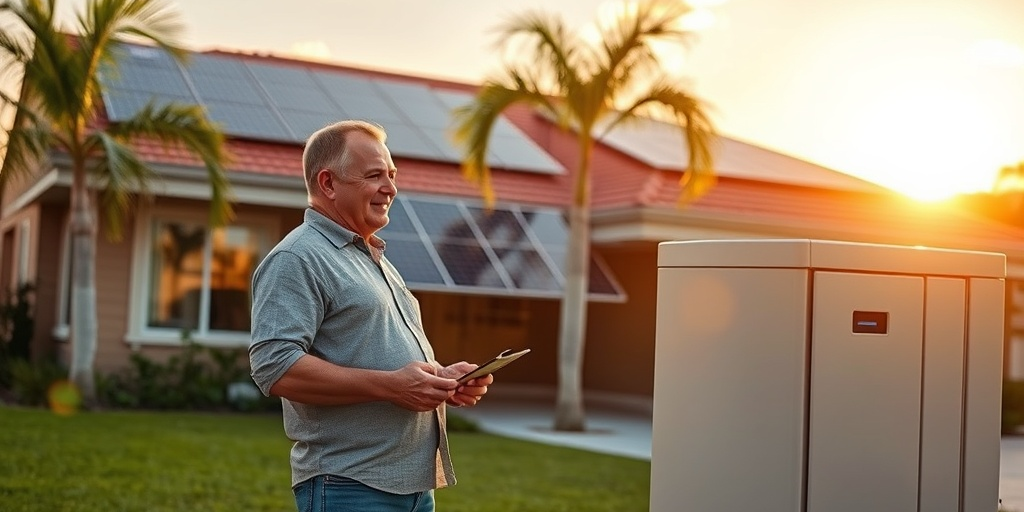
Did you know that Florida is the third-largest state for solar energy capacity in the United States? As we approach 2025, more residents and commercial property owners are seeking ways to harness the sun’s power not just for sustainability but for energy independence—especially as electric rates continue to climb. Solar battery storage is an innovative solution that provides a means to maximize energy reliability and independence, making it an essential topic to explore. In our article titled Technical Deep-Dive: Understanding Solar Battery Storage for Energy Independence, we will delve into how solar battery storage can revolutionize your energy experience. With nearly 33% of Americans expressing interest in solar energy according to recent studies (SEIA.org), this trend is more than a passing interest; it’s a striking opportunity for Florida homeowners who want to take control of their energy needs amidst remarkable new solar incentives and potential grid instability.
Why does this topic hold such urgency in 2025? As the demand for cleaner energy and fluctuating utility rates grow, having a reliable energy backup ensures that you are no longer dependent on the grid—especially during storm seasons that the Sunshine State knows all too well. In this comprehensive guide, we’ll cover five key sections: a deep dive into battery technology, a checklist for implementing solar battery storage, myths that may be holding you back, the local context for Florida residents, and a technical analysis of what makes solar battery storage critical for energy independence.
Understanding the Intricacies of Solar Battery Storage
Let’s begin our exploration of solar battery storage technology with a captivating case study. Meet Sarah, a Florida native living in Sarasota. Like many homeowners, Sarah found that her electric bills could spike during the sultry summer months; last summer, her electric bill soared to nearly $400. Seeking a sustainable solution, she decided to go solar, only to discover the incredible potential of battery storage. With her solar battery array, Sarah not only slashed her electric bills but she also gained a new sense of energy autonomy, ensuring she would have power throughout the day and night.
Now, how exactly does solar battery storage work? It stores excess power generated by solar panels for use at night or during periods of low sunlight. This technology not only enhances convenience but it also provides a safeguard against unpredictable power outages. Here is a brief checklist of the critical components you need to understand:
- Energy Storage Management System: This is the brain of your energy storage system, optimizing energy usage and battery life.
- Battery Type: Lithium-ion batteries are currently the gold standard, providing efficient storage with longer lifespans (about 10 years) (SolarReviews.com).
- Inverter System: Converts DC power captured from your panels into AC power for home use—essential for battery operation.
- Monitoring System: Essential for tracking energy production and consumption, empowering you to make more informed energy decisions.
In Sarah’s case, after installing a Tesla Powerwall, she saw her monthly electric bills decrease from an outrageous $400 to just $40. With the stored energy, she was able to utilize her home power supply throughout the night, enjoying her transformers without concern. Additionally, she took advantage of Florida’s net metering policy: any surplus energy produced during the day is sent back to the grid, effectively giving her credits that help offset her costs further (Energy.gov).
However, there are widespread myths regarding solar battery storage that may lead potential adopters to hold back from making the leap. Let’s debunk these myths to empower you towards sound decision-making:
Myth-Buster
- Myth #1: Batteries are too expensive and not worth the investment.
Reality: Incentives and rebates are decreasing the initial cost, and long-term savings often offset these expenses. - Myth #2: Batteries require excessive maintenance.
Reality: Modern batteries are designed for minimal upkeep, requiring only occasional monitoring. - Myth #3: Homeowners can’t utilize batteries unless they go entirely off-grid.
Reality: Many homeowners remain connected to the grid, using batteries as a backup or optimization tool.
Florida has unique advantages for solar energy production thanks to its ample sunlight and rising energy costs. The state of Florida saw its solar capacity increase by over 30% from 2020 to 2021 (SEIA.org). This ascent in capacity positions homeowners and commercial property owners as active participants in the energy revolution. If you’re living in Florida, you must consider the long-term advantages of adapting solar battery storage technology.
As we transition into our next section, let’s further solidify your understanding through our focused checklist of actionable steps on how you can integrate solar battery storage into your home. Understanding the technical specifics will further clarify why taking action today is vital.
5 Steps to Successfully Integrate Solar Battery Storage
Embarking on your solar battery journey might seem like a daunting challenge, but it becomes manageable when broken down into clear steps. Every homeowner in Florida can enhance their energy independence, reduce their bills, and cultivate a sustainable future by following these steps closely.
- Step 1: Audit Your Current Energy Needs. Assess your energy consumption and identify peak usage times. Not only does this step pinpoint when you need energy the most, but it will help correlate the right battery size for your residence.
- Step 2: Research Battery Options. Investigate the different battery types (like lead-acid vs. lithium-ion) and brands. Each battery has its pros and cons; choosing the best one for your needs is supported by understanding their specifications and warranties.
- Step 3: Consult with Experienced Installers. Reach out to seasoned professionals at floridaelectricandsolar.com to gain insights. Installers can provide tailored advice for your household needs and help establish the best configuration.
- Step 4: Consider Tax Incentives and Rebates. Keep an eye on current tax benefits that can drastically lower your upfront investment. Florida offers various financial incentives that can help to cushion the initial expenditure.
- Step 5: Evaluate Your Options for Net Metering. Make sure you understand how net metering works. It can provide you with valuable credits for any excess energy produced, aiding in the return on investment.
Following these steps can foster a seamless integration process, aligning your energy consumption with your production effectively. You are also setting the foundation for a sustainable future that takes advantage of Florida’s abundant sunshine. As we prepare to move to the next section, remember that every action taken today leads to the results seen tomorrow. Let’s further explore how specific best practices will enhance your solar system’s efficiency and longevity.
5 Expert Tips for Solar Installation in 2025
As we approach 2025, the world of solar energy is continuously evolving. Staying informed and implementing expert practices is essential to maximize your solar experience. The following tips will not only aid you in optimizing your system but also will help you to avoid common pitfalls.
- Prioritize Panel Placement: Don’t skimp on optimizing the orientation of your solar panels. The angle and direction can significantly impact energy production. Optimal placement can significantly increase the amount of sunlight captured.
- Incorporate Battery Backup: Always consider integrating solar battery storage into your system if you haven’t done so already. This backup guarantees energy accessibility, even during grid outages. Statistically, homes with battery backup save up to 17% more than those without (NREL.gov).
- Regular Maintenance Checks: Schedule annual maintenance checks to ensure everything is operating smoothly. Regular assessments can prevent problems before they escalate and prolong system lifespan.
- Stay Informed on Technologies: Solar technologies continually evolve. Regularly researching and staying updated can reveal advancements that may benefit your system’s performance.
- Leverage Smart Home Integration: If possible, integrate your solar system with smart home technology. Smart devices account for your local weather and consumption data, optimizing energy use and enhancing energy independence.
Each of these practices guarantees that you are building a robust solar infrastructure designed to serve you well into the future. Knowledge and preparation are the cornerstones of an effective solar experience. In transitioning to our next section, we’ll now dive into a detailed narrative that illustrates a Florida homeowner’s journey toward energy independence, inspired through solar technology, and how it changed their life. This will amplify our earlier points with real-world impact.
A Florida Homeowner’s Journey: Achieving Energy Independence through Solar
Imagine the rhythmic sounds of Florida’s ever-constant breeze flowing through palm trees and the satisfying hum of solar panels generating energy overhead. For John and Maria Taylor, a couple living in Tampa, the switch to solar power came after relentless struggles with rising electric bills. Their journey toward energy independence wasn’t just a financial necessity; it became a means to support their values of sustainability and long-term planning.
After their first meeting with a solar consultant, they discovered they consumed around 1,200 kWh (kilowatt-hours) monthly, and their outgoing expenses were not sustainable. The Taylors decided to act: they invested heavily in solar panels coupled with a robust Tesla Powerwall battery storage unit.
Here are four critical steps that John and Maria took through their journey:
- Initial Consultation: They met with solar experts to gain insights into their unique energy demands, allowing them to establish a suitable system that catered to their needs.
- Installing Solar Panels: They installed a 10 kW solar array, which was sufficient to cover their energy consumption, simplified further by integrating battery storage.
- Utilizing Net Metering: By utilizing the state’s net metering program, the Taylors sent excess solar power back to the grid during the day, effectively earning credits on their utility bills.
- Maximizing Energy Efficiency: They also invested in energy-efficient appliances, further reducing their energy usage and maximizing solar benefits.
Ultimately, the Taylors saw their electric bill drop from about $300 to a mere $35 per month after implementing these strategies. Beyond financial savings, they now derive satisfaction from their reduced carbon footprint. Moreover, Florida has made significant strides in supporting solar energy; recent statistics show that incentives and rebates have spurred solar installations by over 50% year-over-year in the state (SolarReviews.com). Their story is a testament to the benefits of solar power and battery storage for enhancing energy self-sufficiency.
Therefore, as we progress toward solidifying the next steps for yourself and your family’s brighter energy future, it is vital to analyze your goals with clear intentions. Finding ways to solidify your solar investment now will yield positive results in the long term.
Next Steps for Florida Solar Buyers in 2025
As we approach the exciting world of solar energy in 2025, armed with a deep understanding of battery storage systems, it’s essential to delineate clear action points as you transition. Here’s your actionable checklist that will guide your journey in making informed decisions.
- Step 1: Conduct a Home Energy Audit. Investigate current energy usage to understand consumption, identify peak usage times, and make informed decisions about your battery capacity.
- Step 2: Understand Financial Incentives. Research Florida’s solar incentives and programs designed to offset initial costs, allowing you to seize unique opportunities.
- Step 3: Select Qualified Installers. Collaborate with certified professionals from floridaelectricandsolar.com, ensuring you’re receiving top-tier advice and installation services.
- Step 4: Monitor and Maintain Your System. Invest in service agreements to ensure your system remains efficient, helping reduce the cost of ownership over time.
- Step 5: Optimize Energy Consumption. Apply for any smart home technology to enhance the efficiency of your system and adapt to your evolving energy needs.
The transition to solar power and battery storage represents a vital step toward energy independence for Florida homeowners. The choices made today impact your energy landscape for years to come. Making informed decisions helps secure financial savings, minimizes your environmental footprint, and grants you greater control over your energy future.
In wrapping up our discussion, it’s essential to remember that transitioning to renewable energy is more than just an investment—it’s participating in a growing movement toward sustainability. As we face uncertainty in energy markets and rising utility prices alongside climate change, solar battery storage offers a path forward toward reliable energy independence.
Conclusion
In this deep dive into solar battery storage, we have traversed through multiple facets of energy independence—from the essential technologies to compelling real-world narratives showcasing solar’s transformative power. As you reflect on your options, consider how solar technology can pave the way for a sustainable future, where you control your energy, not the other way around. The urgency to act in 2025 cannot be understated, particularly as energy costs rise and technologies continue to evolve. Why wait to invest in your energy security, when you can start a solar revolution today?
Ready to start your solar journey in 2025? Connect with a certified expert at floridaelectricandsolar.com today.
Related Articles
More insights about Battery Storage

What Is a Solar Battery and How Does It Store Power for Your Florida Home?

Beginner’s Guide to Solar Battery Storage Essentials

Florida Homeowners: Unlock Benefits of Solar Battery Storage Today
Ready to Go Solar?
Have questions about solar energy? Our experts are here to help you make the switch to clean, renewable energy.