
What Are the Top Benefits of Solar Battery Storage?
Share:
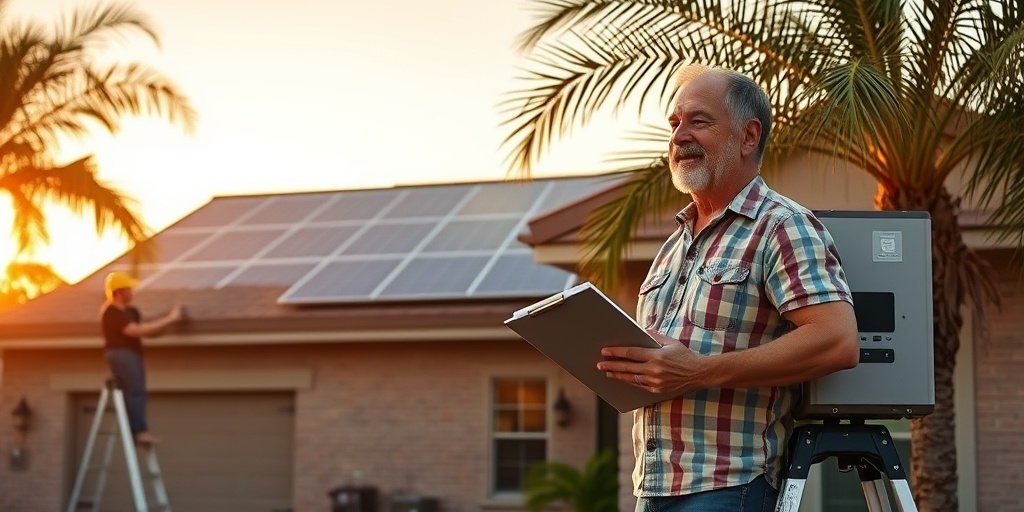
As a Florida homeowner, have you ever felt a rush of panic when reviewing your monthly electric bill? With energy costs steadily rising—nearly 25% in the last five years according to the U.S. Energy Information Administration (EIA)—many are seeking ways to cut those costs and increase their resilience to grid instability. In this landscape, the question looms large: What are the top benefits of solar battery storage? This article will delve into the compelling answers. By pairing solar power with battery storage, you not only harness the sun’s energy but also gain newfound energy independence and security. Solar batteries enable you to store extra energy produced during sunny days for usage later, thus maximizing savings and enhancing your home’s efficiency today.
As we approach 2025, now is the time to reconsider how solar technology fits into your life, especially as more incentives are rolling out for residential solar installations across Florida. Let’s explore this topic by breaking it down into five engaging, informative sections: a case study of a Florida homeowner who embraced solar battery storage, a clear checklist for integrating this technology, a myth-busting segment addressing common misconceptions, a focus on local statistics and policies that enhance the case for solar, and a technical deep dive into how these systems actually work. By the end of this article, you’ll have a comprehensive understanding of the advantages of solar battery storage and how it can secure your energy future.
Harnessing the Sunshine: A Case Study on Solar Battery Storage
In the vibrant suburb of St. Petersburg, Florida, meet Karen, a single mother of two. After enduring years of high electricity bills and irregular blackouts, Karen decided to research options to enhance her home’s energy independence. After significant homework, she discovered the transformative advantages of solar battery storage, which played a pivotal role in her decision to go solar. By adding a battery system to her solar panels, she could store excess energy produced during the day for use during nighttime and stormy weather.
Initially, Karen faced skepticism from friends who believed investing in a solar battery system was unnecessary. Yet, after hearing horror stories of prolonged outages during hurricane season, she decided to take the plunge. Installing a system from a local, verified solar company helped restore her peace of mind. Within the first few months, Karen noticed a considerable reduction in her electric bill, which dropped by about 60%. Thanks to her solar battery, she was able to power essential devices during a local outage and establish herself as self-reliant, all while reducing her carbon footprint.
Consider this: according to the Solar Energy Industries Association (SEIA), the solar market in Florida has grown by over 98% in the last five years alone. This growth isn’t just about aesthetics—it’s about seizing energy independence in an increasingly unpredictable world. As we navigate through rising energy costs and a shifting climate, storage solutions will become essential components of residential energy systems, especially in a state like Florida known for its sunny days.
However, Karen’s story is just the beginning. In the checklist below, we’ll outline actionable steps to help you become a successful solar battery user, debunk common myths surrounding battery systems, and focus on the appealing aspects of going solar in Florida, especially in 2025.
Your Roadmap to Solar Battery Storage: Key Steps
Implementing solar battery storage in your home isn’t just a simple installation; it requires a methodical approach to ensure you maximize the benefits. Follow this clear checklist to facilitate your journey from skeptical homeowner to empowered solar user.
- Step 1: Evaluate Your Energy Needs
Consider your household’s energy consumption. Take stock of your monthly electric bills to identify peak usage times and total kilowatt-hours consumed. This will guide you in selecting an appropriately sized solar battery system. - Step 2: Research Your Options
Not all solar batteries are created equal. Research brands and model comparisons, and consult with certified solar installers to find the perfect fit for your household. - Step 3: Consider State Incentives
Florida homeowners can take advantage of various incentives to reduce installation costs. Programs like Florida’s Property Assessed Clean Energy (PACE) financing can help significantly. Be sure to investigate any new incentives coming up in 2025 to help save on upfront costs. - Step 4: Choose a Trusted Installer
We highly recommend selecting installers with proven experience and customer satisfaction ratings. Look at reviews and seek out referrals to ensure a reliable installation process. - Step 5: Monitor and Optimize
Once installed, regularly monitor your battery’s performance and the way the solar system interacts with your household. Engage with your installer for advice on maximizing efficiency and address any concerns that arise.
Following this structured approach will make embracing solar battery storage feel less daunting and more like a personal journey toward energy independence. So, let’s address some common myths surrounding these systems that may be fueling your skepticism.
Myth-Busting: Common Misconceptions About Solar Battery Storage
The future of energy storage is promising, yet misconceptions abound. Let’s take some time to debunk myths that might hinder your solar journey.
- Myth #1: Solar Batteries are Too Expensive
While the initial investment may seem significant, prices for solar battery storage have decreased by nearly 50% over the last few years (Energy.gov). Furthermore, the savings on your electric bill will often outweigh these costs in the long run, especially with federal and state incentives available. - Myth #2: Batteries Require Constant Maintenance
Most modern solar battery systems, such as lithium-ion batteries, require very little maintenance—particularly when installed and monitored by professionals. This convenience makes them an excellent fit for busy Florida homeowners. - Myth #3: You Need a Fully Off-Grid Solar System
Many homeowners mistakenly believe that to utilize a solar battery, they must go entirely off-grid. In reality, batteries work in tandem with the grid, providing supplemental energy while allowing you to enjoy grid access when needed. - Myth #4: Solar Batteries Take a Long Time to Pay Off
Depending on the size of your system and average electricity rates in your area, many homeowners report full payback within 5-7 years. Innovative technologies and financial incentives actively support quicker returns on investments. - Myth #5: Solar Battery Systems are Ineffective in Florida’s Humid Climate
On the contrary, Florida’s sunny climate enhances solar battery performance. With high insolation levels, residents can produce abundant energy for storage even in humid spells.
By engaging in honest dialogue about these myths, Florida homeowners can confidently pursue solar solutions that genuinely benefit their homes and communities, elevating their quality of life while contributing to ecological preservation. Moving on, let’s discuss Florida-specific aspects that make adopting solar an even more compelling choice.
The Florida Advantage: Local Data and Policies Fueling Solar Adoption
The Sunshine State is replete with opportunities for solar adoption, thanks in large part to state policies and incentives designed to facilitate and encourage renewable energy. As a Florida homeowner, it’s crucial to understand how these favorable policies can maximize your savings and enhance your experience with solar battery storage.
Florida ranks second in the U.S. for installed solar capacity, boasting over 15 GW of solar energy (SEIA.org). This reactive growth has been supported through legislation like Senate Bill 100, which aimed to enhance solar development statewide. Florida Power & Light Company (FPL) also rolled out performance-based rebates, making solar energy technologies financially more attractive than ever.
Moreover, the Florida Solar Rights Law ensures homeowners can harness solar energy without interference from homeowners’ associations. Here are a few aspects that specifically enhance the solar market in Florida:
- Net Metering
By allowing homeowners to receive credits for surplus energy sent back to the grid, net metering provides additional financial motives for installing solar panel systems and batteries. - State Tax Incentives
Currently, Florida offers a property tax exemption for solar energy systems, ensuring that homeowners won’t face increased tax assessments due to their photovoltaic installations. - Licensing Requirements for Installers
The Florida Department of Business and Professional Regulation mandates rigorous licensing for solar installers. This regulation safeguards consumers and assures quality-standard installations. - Community Solar Initiatives
With the introduction of community solar programs, those unable to install systems on their premises can still access clean energy generated from shared solar facilities.
With policies that encourage solar use, coupled with Florida’s high solar potential, the state remains on a path toward a brighter future. As such, investing in solar battery storage will increasingly provide compelling benefits to residents—ranging from personal savings to statewide environmental performance.
The Nuts and Bolts: Technical Deep Dive into Solar Battery Systems
How do solar batteries actually work? What makes one battery better than another? Let’s take a technical dive into the inner workings of solar battery systems and how they interact with solar panels, the grid, and your home.
At their core, solar batteries are designed to store excess energy generated by solar panels during daylight hours and release that energy when sunlight is insufficient, such as at night. Lithium-ion batteries—now the most commonly installed type—have several advantages including durability, efficiency, and longer lifespans.
When combined with an inverter—a device that converts direct current (DC) from your panels to alternating current (AC) for household use—the system allows for smooth energy flow. Key battery specifications include:
- Storage Capacity
Measured in kilowatt-hours (kWh), this dictates how much electricity the battery can hold. Choosing the appropriate size plays a crucial role in meeting your household’s energy needs. - Round-Trip Efficiency
This indicates how much stored energy is recoverable versus what’s lost in the process. Modern lithium-ion batteries can achieve efficiencies above 90%. - Cycle Life
Referring to the number of charge and discharge cycles a battery can perform before its capacity degrades. High-quality batteries will typically provide thousands of cycles.
Installation and efficiency are tightly integrated; an expert installer will ensure your battery is correctly sized according to your energy needs and solar production capabilities. Moreover, your system could benefit from smart energy management systems that optimize when to draw power from your solar panels versus when to use stored energy. Understanding these elements empowers homeowners to take decisive steps toward energy independence through solar.
Next Steps for Florida Solar Buyers in 2025
As we approach 2025, the momentum toward solar energy solutions is palpable across Florida. To leverage these advancements and opportunities effectively, here are your next actionable steps:
- Audit Your Electric Bill
Review your current energy usage and costs. Understanding your monthly consumption patterns aids in making informed choices when choosing a battery size and solar system. - Schedule a Consultation
Don’t hesitate to reach out to local providers, like floridaelectricandsolar.com, to explore your options and secure expert advice tailored to your specific needs. - Evaluate Financing Options
Research financing programs like PACE financing or federal tax credits (which may be phased out for future installations) to optimize funding for your solar journey. - Engage with Your Community
Tap into Florida solar community forums and social media groups to learn from others’ experiences. Networking can lead to valuable recommendations for installers and products. - Stay Updated on Changing Policies
As legislation evolves, staying informed about new incentives, regulations, or tax credits will empower you to seize opportunities as they arise.
These steps will create a roadmap for harnessing the power of solar energy and battery storage. As the technology continues to evolve, Florida homeowners like you have unprecedented opportunities ahead.
Conclusion: Your Solar Journey Starts Today
The journey into solar energy and battery storage is one marked by empowerment, savings, and sustainable living. You’ve explored the transforming case of Karen, understood effective steps to implement solar battery systems, debunked common myths obstructing your path, examined Florida-specific advantages, and dissected the technical aspects that make these systems work.
As energy prices threaten to rise further and climate concerns grow, now is the perfect time to make the leap toward energy independence. Investing in solar battery storage isn’t just a step forward for yourself; it’s a commitment to the future of your family and the environment. Remember, the benefits of solar energy extend beyond financial savings to enhanced resilience and reduced carbon footprints.
Ready to start your solar journey in 2025? Connect with a certified expert at floridaelectricandsolar.com today.
Related Articles
More insights about Battery Storage

What Is a Solar Battery and How Does It Store Power for Your Florida Home?

Beginner’s Guide to Solar Battery Storage Essentials

Florida Homeowners: Unlock Benefits of Solar Battery Storage Today
Ready to Go Solar?
Have questions about solar energy? Our experts are here to help you make the switch to clean, renewable energy.