
Top Benefits of Solar Battery Storage for Florida Residents
Share:
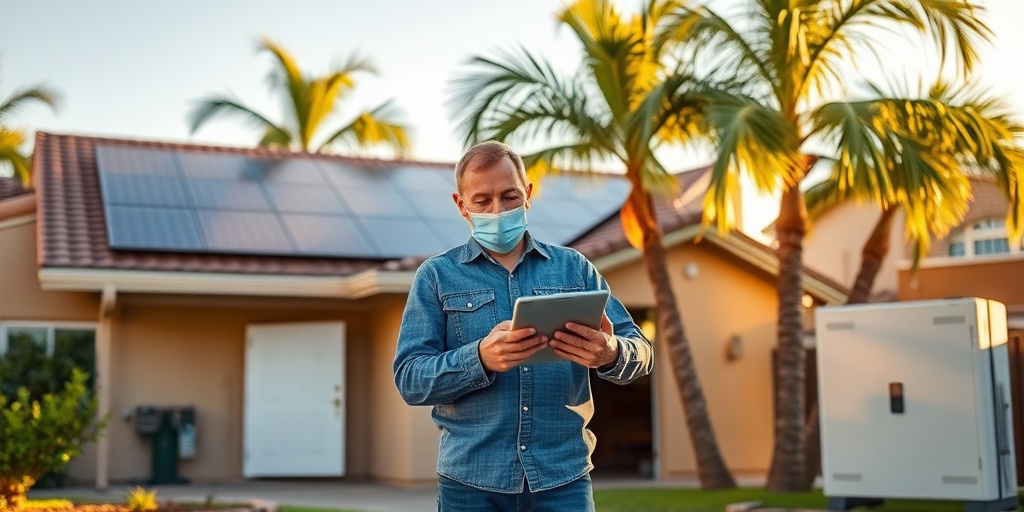
Did you know that by 2025, over 30% of Florida residents are expected to adopt solar energy solutions to combat rising electricity costs? With energy prices in the sunshine state consistently on the rise, the need for smarter energy-saving options has never been more critical. In effect, many homeowners are not only turning to solar panels for their electricity but also exploring the invaluable benefits of solar battery storage systems. This is why the Top Benefits of Solar Battery Storage for Florida Residents is an essential topic for anyone considering a move towards sustainable living. According to the Solar Energy Industries Association, the solar industry in Florida has grown by over 64% in recent years (SEIA.org). Moreover, with the advancing technology in solar battery systems, Florida homeowners can enjoy uninterrupted power and significant savings on electric bills. It’s time to understand why investing in solar battery storage is an urgent consideration for every homeowner in 2025. In this article, we’ll explore five critical aspects of solar battery storage that will guide you towards making an informed decision.
Understanding the Transformative Power of Solar Battery Storage
When you think of solar energy, the first thing that comes to mind is likely the solar panels installed on your roof. While these panels capture sunlight to provide electricity, they face a significant challenge: energy production does not always align with energy consumption. This is where solar battery storage systems come into play, bridging the gap and enhancing your energy independence. Let’s delve deeper into how solar battery storage can revolutionize your energy consumption habits.
Consider the story of Laura, a homeowner in Orlando, who faced skyrocketing electric bills due to her family’s high consumption. After installing solar panels and a battery storage system, her life changed dramatically. Not only did she manage to significantly cut her monthly electric costs, but she also found herself with a reliable power source during stormy weather, which is particularly important for Florida residents. With her system in place, Laura was able to utilize the solar energy generated during the day to power her home at night, an ability made possible only by her solar battery storage. Her experience highlights the multifaceted benefits of combining solar energy with battery storage, particularly in areas prone to power outages.
As we navigate through this content, we will cover the following five key sections to empower you in your journey toward solar energy:
- Case Study: A Deep Dive into Laura’s Solar Journey
- Checklist: Key Steps for Embracing Solar Battery Storage
- Myth-Buster: Debunking Common Misconceptions About Solar Batteries
- Local Focus: Florida-Specific Benefits and Statistics of Battery Storage
- Technical Deep-Dive: Analyzing Solar Energy Components and Billing Processes
Case Study: A Deep Dive into Laura’s Solar Journey
To highlight the transformational impact of solar battery storage, let’s revisit Laura’s story from Orlando in more detail. Before adopting solar energy, Laura was like many homeowners—overwhelmed by her electric bill, which averaged around $350 every month. The situation worsened during the summer months when air conditioning needs spiked, leading her family to seek alternatives. After researching, she discovered the combined benefits of solar panels and battery storage, prompting her to reach out to Florida Electric & Solar.
Following a seamless consultation process, Laura had a photovoltaic solar panel system installed on her roof along with a battery storage unit that could hold excess energy. Little did she know the astounding benefits that awaited her:
- Energy Independence: With solar energy generated during the day, Laura no longer relied solely on the grid. Any surplus energy was stored in her battery, allowing her to use solar power even after sunset. This independence provided not just financial relief, but also peace of mind during storm season.
- Significant Savings: Post installation, Laura’s electric bills shrank to an average of just $50 per month, allowing her to redirect her savings toward family vacations and education.
- Power During Outages: The battery’s backup power capability meant she could stay connected and comfortable during outages, which are common in Florida due to storms.
This data aligns with national trends, as the combined market for solar panels and battery storage is projected to grow, reaching a market value of over $3.4 billion by 2025 (Energy.gov). Laura’s story exemplifies how an effective solar battery storage system not only cuts costs but significantly enhances resilience against unpredictable weather.
As we transition to our next section, it is essential to highlight that Laura’s experience is not unique; many Floridians are reaping similar benefits. To better understand how solar battery storage can fit into your life, let’s move into actionable steps you can take.
Checklist: Key Steps for Embracing Solar Battery Storage
Ready to embark on your journey toward energy independence through solar battery storage? Here’s a robust checklist to guide you through the essential steps:
- Step 1: Audit Your Electric Bill
Understand your energy usage patterns over the billing cycle. Identify peak usage times and total costs. Knowing where your money goes is crucial before making any changes. This data will help you select a system that meets your specific needs. - Step 2: Research Local Incentives
Florida offers a variety of incentives, including sales tax exemptions and net metering benefits for solar energy users. Keep abreast of federal tax credits as well, as they provide significant savings for homeowners who pursue solar installations (SEIA.org). - Step 3: Consult with Experts
Engage with trusted solar consultants, like those at Florida Electric & Solar, who can help design a custom solar battery storage system tailored to your home’s needs. - Step 4: Choose the Right Equipment
Evaluate various battery options on the market, considering factors like capacity, warranty, and efficiency. Brands such as Tesla and LG Chem are well-regarded for their reliability and performance. - Step 5: Installation and Monitoring
Once your system is in place, monitor its performance. Most systems will come with an app to track energy usage, storage, and overall savings. This will help you adjust consumption patterns effectively.
By following these steps, you’ll not only understand the mechanics of solar energy and battery storage but will also be equipped to implement it thoroughly in your Florida home. In a state so prone to both sunshine and storms, our energy solutions must be adaptive and forward-thinking.
Myth-Buster: Debunking Common Misconceptions About Solar Batteries
Despite the growing popularity of solar energy, there remain numerous myths and misconceptions surrounding solar battery storage. Let’s tackle some of the most prevalent myths head-on:
- Myth #1: Solar Batteries Are Not Worth the Investment.
Contrary to this belief, solar battery storage can result in substantial savings over time. In fact, studies show that homeowners can recover their investment in as little as 6–10 years, depending on energy usage and local incentives (SolarReviews.com). - Myth #2: They Only Work with Expensive Solar Systems.
You don’t have to purchase the most expensive solar panels on the market to benefit from battery storage. Many affordable options are compatible with standard solar systems. - Myth #3: Solar Batteries Require Excessive Maintenance.
While regular checks are necessary, modern solar battery systems are designed for efficiency and minimal upkeep. Typically, annual inspections are sufficient to ensure everything functions correctly. - Myth #4: You Lose Power During Outages Without a Battery.
Homeowners who only have solar panels without batteries will indeed lose power during blackouts. Battery storage systems provide backup to keep you powered in emergencies, making them essential for Florida’s storm-prone schedule. - Myth #5: Only Off-Grid Homeowners Benefit.
Even homeowners connected to the grid can leverage battery storage to maximize their savings and enhance energy security, leveraging net metering benefits.
Recognizing the truths behind these misconceptions empowers homeowners to make informed decisions about adopting solar energy and battery storage. Understanding the technology and its capacity can position you to take ownership of your power and reduce reliance on traditional power sources.
As we move into the next section, let’s focus on some Florida-specific statistics that underscore the local advantages of installing solar battery storage systems.
Local Focus: Florida-Specific Benefits and Statistics of Battery Storage
In Florida, the potential of solar power is immense due to consistent sunlight year-round. As of 2023, the Sunshine State ranks second in the nation for solar capacity, generating over 6,364 MW of solar power (SEIA.org). Now, when combined with battery storage, the opportunities multiply:
Here’s a concise look at some compelling reasons every Florida homeowner should consider solar battery storage:
- Resiliency Against Natural Disasters: Florida is prone to hurricanes and severe storms that can disrupt power for days. Homes with battery storage can continue to operate essential appliances, keeping families safe during emergencies.
- Favorable Regulations: Florida’s net metering policy allows homeowners to receive credits for the excess energy they produce, providing additional financial benefits when coupled with battery storage (Energy.gov).
- Environmental Impact: Solar energy significantly reduces carbon footprints. Transitioning to renewables, especially in a climate-sensitive state like Florida, promotes environmental sustainability.
- Stability in Energy Pricing: By investing in battery storage, homeowners can mitigate future energy price hikes, locking in lower energy costs while storing energy when prices are low.
Considering these Florida-specific advantages, it becomes increasingly apparent that solar battery storage isn’t just a trend; it’s a practical, long-term solution for energy independence and savings. But just how does the technology work? Our next section will take a deeper dive into the technical aspects of solar energy, batteries, and billing processes.
Technical Deep-Dive: Analyzing Solar Energy Components and Billing Processes
Understanding the technical aspects of solar power systems and battery storage can be daunting, but it’s crucial for making an informed decision. Let’s break down how these systems work in collaboration:
The primary components of a solar energy system include:
- Solar Panels: These panels convert sunlight into electricity through photovoltaic cells, significantly decreasing the reliance on the grid.
- Inverter: The inverter converts the direct current (DC) produced by the solar panels into alternating current (AC), which is what powers our home appliances.
- Battery Storage: This is the vital component for storing excess electricity generated during the day, allowing homeowners to use this stored energy during non-production hours.
Additionally, homeowners should be aware of how solar energy interacts with their electricity bills:
- Net Metering: With net metering, homeowners can receive credits for surplus energy sent back to the grid, balancing their monthly bills. This means the energy you produce can work for you even when your solar panels are not generating power.
- Battery Storage Systems: These systems can hold the energy produced during peak sunlight hours. The energy can then be used during peak consumption times or storm outages, enhancing energy independence.
It’s worth noting that advances in technology have made solar batteries not only more efficient but also more affordable. With the projected reduction in battery storage costs over the next several years, investing in a solar energy system will soon become more accessible to all Floridians (NREL.gov).
Now that we’ve reviewed the technical elements and financial mechanics of solar energy, where do you go from here? Let’s outline an actionable plan for Florida homeowners looking to take the plunge into the world of solar energy and battery storage.
Next Steps for Florida Solar Buyers in 2025
As the demand for solar energy continues to grow, taking the next step may seem overwhelming. However, here’s a practical action plan to guide you towards making a successful transition to solar battery storage:
- Step 1: Audit Your Electric Usage
Take inventory of your monthly electric bills. Knowing your average usage will help assess the size of solar system and battery storage you need. Document both peak and off-peak usage to identify opportunities for savings. - Step 2: Evaluate Your Roof
Consider the orientation, size, and shading of your roof. Is it suitable for solar panels? Roofs that face south with minimal shading from trees or other buildings provide the best conditions. - Step 3: Research Reputable Installers
Look for trusted local companies that can provide both solar panel and battery storage installation. Read reviews, request quotes, and ask for references to ensure reliability. - Step 4: Understand Financial Incentives
Explore federal and state incentives that can significantly reduce your upfront costs. Consult with your installer about the latest tax credits and rebates applicable to your purchase. - Step 5: Make the Leap!
After gathering all the information, educate your family about the benefits of solar energy and empower them to join the conversation. It’s a significant commitment, but the long-term gains in savings and energy independence will pay off.
By following this step-by-step guide, Florida homeowners can make well-informed decisions that lead to substantial savings, energy independence, and participation in a more sustainable future.
In conclusion, embracing solar battery storage is an empowered choice for Florida homeowners eager to cut costs while safeguarding against energy uncertainties. With the capacity to store energy, enjoy financial savings, and enhance resilience against the state’s frequent storms, solar battery systems serve as a practical cornerstone of energy independence. As you reflect on the potential benefits described in this article, it’s essential to remember that every moment you hesitate could result in missed savings and opportunities for a sustainable future. Thus, don’t wait any longer!
Ready to start your solar journey in 2025? Connect with a certified expert at floridaelectricandsolar.com today.
Related Articles
More insights about Battery Storage

What Is a Solar Battery and How Does It Store Power for Your Florida Home?

Beginner’s Guide to Solar Battery Storage Essentials

Florida Homeowners: Unlock Benefits of Solar Battery Storage Today
Ready to Go Solar?
Have questions about solar energy? Our experts are here to help you make the switch to clean, renewable energy.