
Understanding Off-Grid Solar Systems: A Technical Deep-Dive
Share:
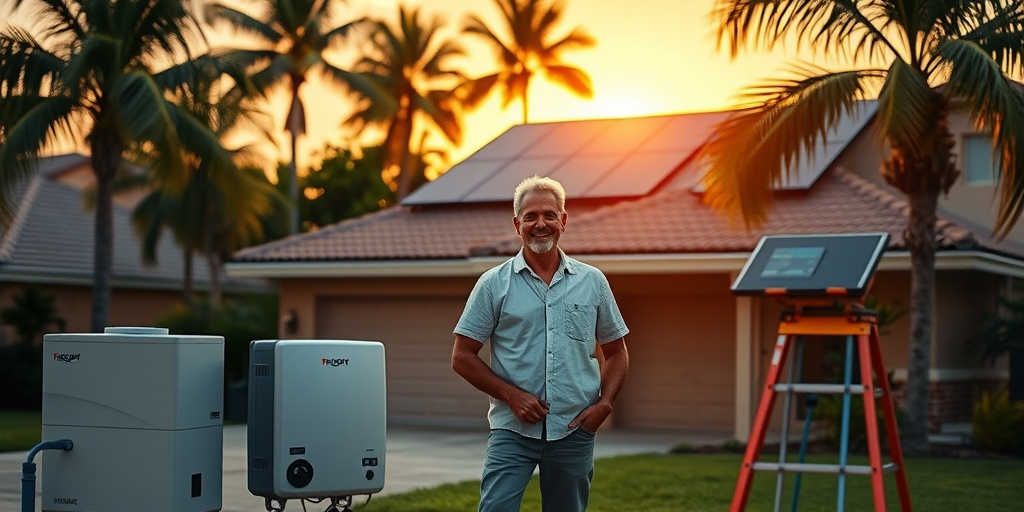
In a world where energy independence is becoming increasingly crucial, particularly for Florida home and property owners, understanding off-grid solar systems can be a game-changer. Did you know that over 40% of homeowners in Florida are looking into solar options as 2025 approaches? With electricity costs expected to rise by an additional 14% in Florida over the next year alone, investing in renewable energy is no longer just an option; it’s an urgent necessity. The title of our discussion today is “Understanding Off-Grid Solar Systems: A Technical Deep-Dive.” By exploring this topic, you’ll gain insights into how these systems function, their myriad benefits, and practical ways to maximize energy independence. As we move forward, we will delve into five sections that will arm you with actionable knowledge: a case study demonstrating real-life application, a detailed checklist for implementation, a myth-busting roundup, insights with a Florida focus, and a thorough technical examination of off-grid components. Let’s embark on this enlightening journey!
Off-Grid Solar Systems: The Anatomy of Energy Independence
Consider this: 70-year-old Jane, a Florida retiree, decided to invest in an off-grid solar system after struggling with yearly spikes in her electric bill due to unpredictable summer storms. Her system now powers not only her home but also her electric vehicle. By making the leap to autonomy, Jane boosted her property value and improved her lifestyle without being tethered to the utility grid.
- Case Study: Jane’s Solar Transition – Jane initially opted for a hybrid solar system but realized through consultations that going entirely off-grid could further reduce her reliance on traditional energy sources. After researching options and working with a local solar provider, she found a solution tailored to her property and energy needs. This case illustrates how personalized solar solutions can lead to greater energy independence.
- Checklist for Going Off-Grid – Transitioning to off-grid solar isn’t a one-step process. Familiarize yourself with critical elements such as assessing your energy needs, evaluating available technologies, and understanding costs. Here are five steps to get started:
- Assess Your Energy Needs: Before purchasing, evaluate your daily energy consumption.
- Choose the Right Equipment: Select quality panels, batteries, and inverters designed for optimal off-grid use.
- Explore Installation Options: Work with reliable solar contractors who specialize in off-grid setups.
- Understand Costs and Incentives: Review potential government incentives that can cut initial costs.
- Plan for Maintenance: Develop a routine for monitoring your system’s performance and maintenance.
- Myth-Buster Section:
- Myth #1: “Off-grid systems are too expensive.” – While the initial investment can seem high, the long-term savings often outweigh the costs, especially in states with high energy prices like Florida.
- Myth #2: “You can only live off-grid if you live in the wilderness.” – Many off-grid systems are designed to function well in suburban and urban settings, making them a viable choice for many Florida homeowners.
- Myth #3: “Going off-grid means sacrificing comfort.” – Modern off-grid systems equipped with batteries and smart technology can offer the same comforts as grid-tied homes.
- Myth #4: “All solar panels are the same.” – Different panels have Diverse efficiencies, warranties, and performance metrics, which affect their overall performance in off-grid setups.
- Myth #5: “Once installed, an off-grid system is maintenance-free.” – Regular inspections and maintenance are essential to help ensure system longevity and efficiency.
- Local Focus: In 2025, it’s expected that Florida will lead the country in solar energy installations, cementing its position as a frontrunner in renewable energy. The state provides unique incentives for off-grid solar systems, making them more accessible. According to recent studies, 23% of Florida households are exploring solar options, leading to a growth in local businesses focused on installation and maintenance services.
- Technical Deep-Dive: Off-grid solar systems typically consist of solar panels, batteries, and inverters.
- Solar Panels: These collect sunlight and convert it into electricity. High-efficiency photovoltaic (PV) panels are recommended for optimal energy capture.
- Batteries: Storing energy generated during sunlight hours allows homeowners like Jane to utilize power even after the sun sets. AGM and lithium-ion batteries are popular due to their longevity and reliability.
- Inverters: They convert the direct current (DC) energy from solar panels into alternating current (AC) energy used in homes.
Each component must work harmoniously, which speaks to the importance of choosing quality equipment.
As off-grid technology continues to evolve, it becomes increasingly accessible and efficient. More Floridians are recognizing the long-term advantages, including substantial financial savings and increased energy autonomy.
Understanding Energy Needs: The Cornerstone of Off-Grid Living
Understanding energy needs is the bedrock of any successful off-grid solar project. Knowing precisely how much energy you consume daily can help you select the right size for your solar array and battery storage—this is not just a technical matter; it’s also a financial one.
- Determine your average daily energy consumption. Consider all appliances and their usage. Here are a few steps to help you calculate:
- List all appliances and devices you regularly use.
- Note the wattage of each item. This information can typically be found on the device or in the user manual.
- Estimate how many hours per day each device is used.
- Multiply the wattage by the hours of use to establish daily watt-hours.
- Sum all the watt-hours to get a total daily energy consumption figure.
- Select efficient appliances. Off-grid systems thrive on energy efficiency. Opt for Energy Star appliances or solar-powered alternatives, which can significantly cut energy consumption.
- Account for seasonal changes. Remember, your energy needs might vary with the seasons in Florida. Cooling systems may consume more electricity in the summer months, so factor seasonal usage into your assessments.
- Consider future technology needs. If you plan to add electric vehicles or smart home technologies, ensure you include these in your calculations.
Having a clear understanding of your energy needs enables you to make more informed decisions about your off-grid solar system, ensuring you meet both your current and future energy demands.
5 Expert Solar Installation Tips for 2025
It’s critical to approach solar installation with careful thought and planning. Here are five expert tips to guide Florida homeowners on their solar journey in 2025:
- Don’t skimp on panel placement: The efficiency of your solar panels is significantly affected by their positioning. Ensure they receive maximum sunlight exposure, ideally south-facing, and consider factors such as nearby shade from trees or buildings.
- Understand your inverter options: Choose between string inverters, microinverters, and power optimizers based on your specific application. Each has unique benefits and costs, and understanding these can lead to better long-term performance.
- Optimize battery storage: Investigate battery options carefully. Lithium-ion batteries, for example, offer long life cycles and efficiency but may come at a higher initial cost. However, they often pay off in the long run due to reduced replacement frequency.
- Leverage local resources and incentives: Florida has an array of local incentives that can significantly reduce the cost of solar installations. Consult with experts to discover what may be available in your area.
- Don’t dismiss maintenance: Regular maintenance can prevent costly repairs or replacements down the road. Set up a routine for inspecting and cleaning panels to ensure your system operates at peak performance.
These five tips are essential for maximizing efficiency, enhancing performance, and guaranteeing a successful transition to solar energy in 2025.
The Journey: From Skepticism to Solar Freedom
Let us walk through a fictional but realistic tale of a Florida homeowner named Mike. Initially skeptical about switching to solar, Mike was hesitant because of misconceptions about costs and efficiency. However, one day, he received a staggering utility bill, which spurred him to reconsider his situation. After a thorough exploration of options and speaking to several experts, he decided to replace his traditional energy source with an off-grid solar system.
Mike’s transition involved several steps:
- He correctly assessed his energy needs and calculated he required six solar panels and a storage battery to manage his consumption.
- He sought local installers with experience in off-grid systems and received detailed quotes along with projected savings.
- After recognizing the availability of state incentives, he learned that his installation costs could be offset significantly.
- Finally, Mike invested in a comprehensive maintenance plan to keep his system in top shape.
Today, not only does he enjoy reduced electricity bills, but he also feels a profound sense of satisfaction knowing he is less dependent on traditional utilities. This narrative encapsulates how a newcomer to solar energy can overcome initial skepticism and transform their energy use patterns.
Next Steps for Florida Solar Buyers in 2025
The transition to off-grid solar power can feel overwhelming, but it doesn’t have to be. Here’s your actionable plan to get started:
- Step 1: Audit Your Electric Bill. Start by gathering your most recent utility bills. This will give you a detailed overview of your energy consumption and costs.
- Step 2: Consult with Experts. Reach out to specialized solar companies like floridaelectricandsolar.com for consultations about off-grid options, systems, and financing.
- Step 3: Explore Financing Options. Research the various financing and incentive programs available specifically for Florida residents to alleviate upfront costs.
- Step 4: Choose Your Equipment Wisely. Invest in high-quality solar panels, batteries, and inverters that meet your anticipated energy needs and efficiency metrics.
- Step 5: Installation and Maintenance. Once your system is set up, establish a maintenance plan to ensure continued optimal performance, safeguarding your investment.
Through diligent planning and informed choices, you can embark on your journey towards energy independence, cutting costs and contributing positively to the environment.
In summary, exploring off-grid solar systems is not just a technical exploration; it’s an investment in your future. Whether it’s reducing bills, ensuring power during outages, or protecting the environment, every Floridian can benefit from this transition. As we face rising energy concerns, a decision made today can yield lifelong benefits for you and your family.
Ready to start your solar journey in 2025? Connect with a certified expert at floridaelectricandsolar.com today.
Related Articles
More insights about Off-Grid Solar

Myth-Buster: Off-Grid Solar Systems Are Not Always Unaffordable

What You Need to Know About Off-Grid Solar Systems

How One Florida Business Reduced Costs with Off-Grid Solar Systems
Ready to Go Solar?
Have questions about solar energy? Our experts are here to help you make the switch to clean, renewable energy.