
Understanding Off-Grid Solar Systems: A Technical Deep-Dive
Share:
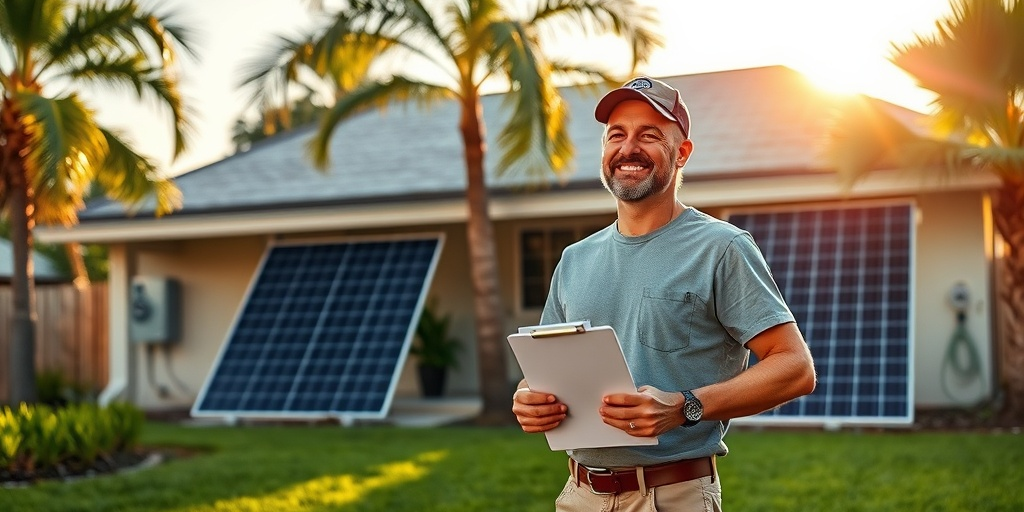
As the sun rises over the stunning Florida landscape, a silent revolution begins to unfold—a revolution fueled by renewable energy and off-grid solar systems. In fact, according to the Energy Information Administration, U.S. solar capacity reached over 121 gigawatts in 2023, enough to power approximately 24 million homes (EIA.gov)! This rapid growth positions solar energy, particularly in sunny states like Florida, as a prime solution for those seeking energy independence. Are you one of the many homeowners contemplating the transition to solar in 2025? The journey can be daunting, and questions abound. How can I truly harness the sun’s power? What does an off-grid system entail? These considerations are crucial in a time marked by rising energy costs and increasing demand for sustainable solutions due to climate change. Thus, understanding off-grid solar systems is imperative. This article, titled Understanding Off-Grid Solar Systems: A Technical Deep-Dive, aims to illuminate your path with critical insights, strategies, and the technical know-how needed to empower your solar journey.
In this comprehensive piece, we will explore five key sections:
1. **Exploring the Components of Off-Grid Solar Systems**
2. **Step-by-Step Guide for Setting Up Your Off-Grid Solar System**
3. **Debunking Common Myths**
4. **Florida’s Solar Landscape and Incentives**
5. **Practical Steps for Transitioning to Off-Grid Living**
As we dive into this deep-dive exploration, you will discover that understanding the intricacies of off-grid solar systems can significantly reduce your utility bills, ensure energy reliability, and contribute to a more sustainable future for you and your family.
Exploring the Components of Off-Grid Solar Systems
Imagine waking up each morning to a home powered entirely by the sun. This isn’t just a dream for many Floridians attempting to escape the grasp of rising energy bills. Off-grid solar systems offer a path to energy independence, but what does this entail? Let’s explore the critical components that make up an off-grid system, drawing on the stories of those who have already taken the plunge into solar living.
Consider John and Lisa, a couple residing in Florida’s idyllic Sarasota County, who decided to go off-grid in 2023. Faced with soaring electric bills that were draining their savings, they turned to solar as a solution. With the help of Florida Electric & Solar, they designed an off-grid solar system tailored to their needs, comprising several distinct components:
- Solar Panels: These are the heart of any solar system. John and Lisa chose high-efficiency panels with a combined capacity of 10 kW suited for Florida’s ample sunlight.
- Inverter: This device converts the solar energy captured by the panels into usable electricity for their home. A battery-based inverter was integrated to ensure consistent power, even during cloudy days.
- Battery Storage: Essential for off-grid systems, batteries store excess energy produced during the day and supply power at night. The couple selected lithium-ion batteries for their longevity and efficiency.
- Charge Controller: This component regulates the voltage and current coming from the solar panels to prevent battery overcharging.
- Backup Generator: As a fail-safe, they installed a generator that can power their home in case of extended periods of low sunlight.
As of 2024, Florida boasts an estimated 455,000 solar installations statewide (SEIA.org). The increasing adoption highlights the advantages of solar power and showcases communities—like John and Lisa’s—that are not just surviving but thriving in energy independence.
To embark on your own off-grid solar journey, consider the following crucial steps:
- Assess your energy needs and consumption patterns.
- Consult with a reputable solar provider to design a custom off-grid system.
- Explore local regulations and financial incentives to maximize your investment.
By understanding the components that make up an off-grid solar system, homeowners can take informed steps towards energy independence. This groundwork ensures your transition to solar energy aligns with your household needs and encourages sustainability.
Step-by-Step Guide for Setting Up Your Off-Grid Solar System
Are you ready to take the plunge and create your off-grid solar system? Setting up your off-grid solar system doesn’t have to be an overwhelming endeavor. With a solid plan and a clear roadmap, you can effectively transition and position yourself for energy independence in 2025.
- Step 1: Audit Your Energy Consumption
Start by reviewing your past utility bills to gauge your energy needs. List each appliance’s wattage and operation hours. This assessment will form the foundation of your system’s capacity. - Step 2: Design Your System
Work closely with a certified solar installer to design a system that fits your energy usage profile. They’ll calculate how many solar panels you need, the size of the battery bank, and necessary inverters. - Step 3: Obtain Necessary Permits
Before installing your system, secure all requisite permits. Florida law may require local authorities’ approval before installation begins, so ensure you’re compliant. - Step 4: Installation
Now comes the fun part! The installation process involves mounting solar panels, configuring your inverter, connecting batteries, and installing your charge controller. Ensure your installer has experience with off-grid systems to optimize setup. - Step 5: Conduct Testing and Adjust Settings
After installation, it’s paramount to test the system to ensure everything operates as intended. Check the inverter settings, battery state of charge, and conduct routine maintenance checks.
Choosing to go off-grid has remarkable environmental benefits, particularly in Florida. In 2023, it was estimated that solar energy reduced carbon emissions by a staggering 118 million metric tons across the U.S. (SEIA.org). Furthermore, Florida ranks among the top states for solar installations, with over $3.4 billion invested in renewable energy projects in the past year alone (SolarReviews.com). This creates a robust market for solar, resulting in fantastic opportunities for new adopters.
The allure of off-grid solar systems stem not just from the energy independence they provide but also their long-term savings potential. You are not merely investing in solar panels; you are investing in a cleaner, more sustainable future for your family.
Debunking Common Myths
So far, we’ve ensured you have a clear understanding of what goes into an off-grid solar system and how to set one up effectively. However, misinformation can hinder your progress. Let’s debunk some common myths surrounding off-grid solar systems that could be causing hesitation as you contemplate this transition.
Myth #1: Off-Grid Solar Systems Don’t Work in Cloudy Weather
Many believe that solar systems are ineffective during cloudy days. In reality, off-grid systems utilize well-designed battery banks, allowing you to store enough energy to power your home even on less sunny days. Solar panels also capture diffuse sunlight, ensuring your energy needs are met.
Myth #2: It’s Too Expensive to Go Off-Grid
Initial costs can deter many; however, consider the long-term savings on utility bills. Moreover, various financial incentives exist in Florida, including tax credits, facilitating lower installation costs. In fact, the investment can pay for itself within 5-7 years due to reduced energy expenses!
Myth #3: Off-Grid Living is for Survivalists Only
This couldn’t be further from the truth. While some homeowners choose off-grid living for self-sufficiency, countless families are shifting to solar systems to reduce their carbon footprint and increase financial savings—this includes urban homeowners across Florida.
Myth #4: You Can’t Sell Your House With an Off-Grid System
Home buyers are increasingly drawn to properties equipped with solar systems. An off-grid solar system can enhance your home’s value, making it more attractive amidst rising energy costs.
Myth #5: You Need Extensive Technical Knowledge to Maintain Off-Grid Systems
Today’s off-grid systems are designed with user-friendliness in mind. With routines to monitor your battery and a reliable provider for maintenance needs, you can keep everything running smoothly without needing specialized expertise.
By breaking down these myths, you empower yourself with the knowledge to make informed decisions about your solar future. Embrace the possibilities, and don’t be deterred by misconceptions when it comes to transitioning to off-grid solar energy.
Florida’s Solar Landscape and Incentives
Florida’s natural abundance of sunshine combined with state-level policies creates a thriving environment for solar energy. As a Florida homeowner, tapping into this resource could not only enhance energy sustainability but also lead to substantial savings. Let’s explore what makes Florida a unique location for off-grid solar systems and the array of incentives available to residents.
- Solar Tax Credits: Homeowners can take advantage of the federal solar tax credit—the Investment Tax Credit (ITC)—allowing for up to 26% in tax credits on the installation costs of solar energy systems. This tax incentive is set to remain in place through 2025, providing a timely opportunity for those looking to go solar.
- Net Metering Policies: Florida’s net metering policy allows homeowners to receive credit for any excess energy produced by their solar systems, reducing electricity bills significantly. While this primarily benefits grid-tied systems, knowing how energy production translates into savings is key for all solar homeowners.
- Local Utility Rebates: Many Florida utilities incentivize solar solar adoption through rebates and programs aimed at reducing upfront costs, making solar more accessible than ever.
Furthermore, Florida leads the nation in solar energy growth, contributing to its reputation as the “Sunshine State.” By 2025, projections indicate residential solar capacity could double, driven by both economic factors and environmental awareness (NREL.gov).
As you consider transitioning to an off-grid solar system, take time to research the incentives available, engage with local solar providers, and discuss how state policies impact your decision to go solar.
Practical Steps for Transitioning to Off-Grid Living
Congratulations! You’ve gathered the knowledge, debunked myths, and explored Florida’s solar landscape. Now it’s time to create a clear action plan for transitioning to off-grid living. The following steps ensure you move efficiently through the process and achieve your solar goals.
- Step 1: Research Local Installers: Look for certified solar providers with expert knowledge in off-grid systems. Inquire about past installations to gauge their expertise.
- Step 2: Seek Funding Options: Investigate financing options for your solar installation. From loans to grants, being financially prepared can ease the burden of upfront costs.
- Step 3: Stay Informed on Incentives: Continually check updates on state and federal incentives specific to renewable energy. Staying informed allows you to seize offers that can maximize your savings.
- Step 4: Build Your Community: Connect with local homeowners who have successfully transitioned to off-grid living. Their experiences can guide and motivate you through your own journey.
- Step 5: Continually Educate Yourself: Learn more about solar technology and maintenance practices. The more informed you are, the better equipped you’ll be to optimize your off-grid system’s performance.
Each of these steps contributes significantly to a smooth transition into the off-grid lifestyle, empowering you to reap the benefits of energy independence and sustainability in your Florida home.
As we move toward a future powered by renewable energy, it’s vital to prioritize sustainable practices that promote environmental stewardship and energy independence. Understanding off-grid solar systems is not just a choice—it’s a crucial step towards securing a sustainable legacy for future generations.
Conclusion
Transitioning to an off-grid solar system offers significant advantages, unlocking energy independence and long-term savings for homeowners. We’ve navigated a journey through crucial components, misinformation about solar energy, Florida’s incentive landscape, and the systematic steps required for a successful transition. As Florida’s solar capacity continues to surge, now is the time to act. With a proactive approach and the right knowledge, your home can become an empowering example of sustainability.
Ready to start your solar journey in 2025? Connect with a certified expert at floridaelectricandsolar.com today. Your solar future awaits—embrace the sun and take control of your energy destiny!
Related Articles
More insights about Off-Grid Solar

Myth-Buster: Off-Grid Solar Systems Are Not Always Unaffordable

What You Need to Know About Off-Grid Solar Systems

How One Florida Business Reduced Costs with Off-Grid Solar Systems
Ready to Go Solar?
Have questions about solar energy? Our experts are here to help you make the switch to clean, renewable energy.