
Unlocking the Secrets to Solar Battery Storage Performance
Share:
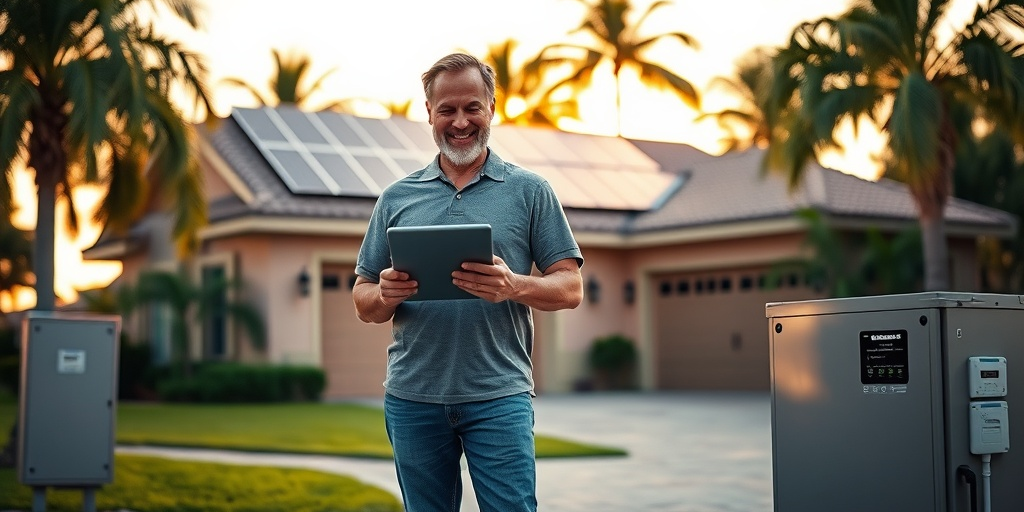
Did you know that nearly 70% of Florida homeowners are considering going solar by 2025? With the rising costs of electricity and severe weather events putting pressure on energy grids, interest in solar power is at an all-time high. Even more intriguing is how solar battery storage can redefine energy efficiency and cost savings for these households. In our article titled Unlocking the Secrets to Solar Battery Storage Performance, we will delve deep into the mechanics, benefits, and common misconceptions surrounding solar battery storage. With solar incentives expected to evolve in 2025, understanding how battery systems can enhance your solar experience has never been more critical. The National Renewable Energy Laboratory reports that energy storage installations are set to surpass 16 GW by 2025, changing the landscape of energy management everywhere, especially in sunny Florida (NREL.gov).
Throughout this article, we’ll cover five critical sections: 1) A case study illustrating the impact of solar battery storage, 2) A checklist for maximizing battery performance, 3) Common myths debunked, 4) A focus on local Florida statistics and initiatives, and 5) A detailed technical analysis of how battery storage systems operate. Get ready to unlock the secrets that will empower you to optimize your solar investment!
Maximizing Your Solar Battery Storage: A Case Study
Imagine the Johnson family from Orlando. After installing a 10 kW solar panel system on their rooftop, they realized they could still experience high energy bills due to dependence on the grid during peak hours. Seeking to enhance their energy independence and lower costs, they decided to invest in a solar battery storage system from a reputable Florida provider. Within months, their savings skyrocketed.
Their solar battery allows them to store up to 14 kWh of energy for use at night and during peak demand. According to the U.S. Energy Information Administration, Florida’s electricity rates are about 20% higher during peak times (EIA.gov). By leveraging stored energy during these hours, the Johnsons reduced their electric bill by over 50%, translating to about $150 in savings monthly.
Step-by-Step Action Plan:
- Evaluate Your Energy Needs: Assess your peak energy demands and average consumption to choose a battery size that fits your needs.
- Research Local Options: Investigate reputable solar battery manufacturers and installers based in Florida.
- Examine Incentives: Check available federal and state incentives that might reduce your installation costs.
- Select the Right Technology: Choose between lithium-ion or lead-acid batteries based on lifespan, efficiency, and maintenance.
- Assess Installation Costs: Understand total costs, including installation and maintenance, to gauge your return on investment.
Myth-Busting: The Johnson family’s story highlights several myths that are pervasive among potential solar battery buyers:
- Myth #1: Solar batteries are too expensive. In reality, while the upfront investment can be significant, incentives and long-term savings make them more affordable over time.
- Myth #2: You don’t need a battery with solar panels. Batteries provide backup power and maximize your savings during peak hours, making them essential in many scenarios.
- Myth #3: All batteries are the same. Different technology works better in specific environments; understanding the options can optimize your investment.
This case study illustrates that investing in a solar battery storage solution not only enhances your energy independence but also allows you to benefit from a more predictable and stable electricity bill while contributing to a more sustainable future. As you consider your options, take time to explore local installers who can provide tailored solutions for your home’s energy needs.
To learn more about your options, visit floridaelectricandsolar.com.
Understanding Battery Storage: A Comprehensive Checklist
The effectiveness of your solar battery storage system hinges on several key factors. Here’s a comprehensive checklist for evaluating and optimizing your system’s performance:
- Step 1: Determine Energy Consumption Patterns – Monitor your electric usage to understand when you consume the most energy.
- Step 2: Choosing the Right Battery Size – Select a battery that is capable of covering your unique energy needs during high-demand periods.
- Step 3: Regular Maintenance Checks – Set a schedule for routine inspections to ensure the battery is operating efficiently.
- Step 4: Firmware Updates – Ensure your battery management system has the latest software to maximize performance and lifespan.
- Step 5: Work with Professionals – Consult with reliable solar experts to tailor the best solutions based on your household’s energy consumption!
Additionally, many Florida homeowners are eligible to receive state tax credits for residential solar systems, which can make these investments significantly cheaper than they initially appear (FloridaSolar.org). Furthermore, incorporating battery storage technology can provide resiliency against increasingly unpredictable climate conditions, making it imperative to stay informed about your options.
Staying on top of these checklist items will ensure that you’re maximizing the benefits of your solar battery storage. Remember, the goal is not just to save money, but also to contribute to a renewable energy future!
Myth-Busting Solar Battery Storage Misconceptions
Despite its many advantages, solar battery storage is often surrounded by confusion. Let’s bust some common myths to clarify your understanding:
- Myth #1: You Have to Be Off-Grid to Use a Battery – Truthfully, batteries can be an integral part of both on-grid and off-grid systems. They allow you to store excess energy and draw upon it during peak hours or outages.
- Myth #2: Solar Batteries Drain Quickly – With advancements in technology, most solar batteries have extended lifespans and are designed to retain charge for longer periods.
- Myth #3: Solar Panels Alone Can Meet Energy Needs – Inevitably, the intermittent nature of solar energy means that having a battery to store excess production is necessary for optimal efficiency.
- Myth #4: Battery Storage Is Only for Big Homes – In fact, even smaller households can benefit from battery storage as it provides assurance during outages and helps in managing energy use.
- Myth #5: Battery Backups Are Too Complicated to Manage – Today’s battery systems come equipped with user-friendly interfaces allowing homeowners to monitor and control their energy usage effortlessly.
With these myths dispelled, homeowners can arm themselves with the right knowledge to make informed decisions about their solar investments. The right battery storage system can dramatically improve energy management and financial outcomes, making it not just a strong option, but a vital one for Florida residents.
A Local Focus: Solar Trends in Florida
Florida is at the forefront of the solar revolution, and understanding local dynamics can empower homeowners. With the state’s sunshine-rich climate, Florida ranks second in the nation in solar capacity—a statistic worth noting. The latest data shows that Florida is on track to double its solar installations by 2025 (SEIA.org).
The Florida government also offers programs to support solar installations, including the Property Assessed Clean Energy (PACE) financing program, which allows homeowners to access upfront funds for solar systems that are paid back through property taxes. What’s particularly special about this program is that it can pave the way for families to invest in sustainable energy without breaking the bank upfront.
Recent Trends You Should Know:
- Rising Energy Costs: Florida’s average electricity cost continues to rise, making solar an attractive option for lower long-term expenses.
- State Incentives: Programs and tax credits are evolving, which can significantly reduce solar installation costs.
- Increased Demand for Energy Independence: With more severe weather events, many Floridians want resilient energy solutions, making solar battery storage crucial.
As a homeowner, these regional trends present a unique opportunity to partake in a growing movement toward renewable energy. By being proactive and leveraging available incentives, you can lower your upfront costs and create a sustainable environment that brings environmental and financial benefits.
Consider partnering with experts who understand Florida’s solar landscape to guide you through the selection process and installation to maximize benefits. Get started by visiting floridaelectricandsolar.com.
Next Steps for Florida Solar Buyers in 2025
As you consider the potential of switching to solar in 2025, it’s essential to create an effective plan. Follow this actionable checklist to guide your solar journey:
- Step 1: Audit Your Electric Bill – Track your energy usage over several months to identify peak usage times and potential savings.
- Step 2: Research Local Solar Providers – Look for reputable installers based on customer reviews and certifications in Florida.
- Step 3: Schedule a Consultation – Meet with solar experts to discuss your household needs and get tailored recommendations.
- Step 4: Consider Financing Options – Explore state and federal incentives, as well as financing programs, to lower your upfront costs.
- Step 5: Explore Battery Storage Solutions – Consult with professionals to determine the best battery options for your household.
Taking these steps can significantly streamline your transition to solar energy and battery storage options, ensuring you make the most of your investment. By acting sooner rather than later, you will be positioned to save money, increase your property value, and contribute to a more sustainable energy future.
As we conclude, remember the importance of a well-thought-out plan in achieving your solar goals by 2025. The advances in solar battery technology are impressive, with the potential to transform how you manage your energy consumption.
Are you feeling inspired to take the leap into solar energy? Don’t wait—your energy independence begins with a simple step. Ready to start your solar journey in 2025? Connect with a certified expert at floridaelectricandsolar.com today.
Related Articles
More insights about Battery Storage

What Is a Solar Battery and How Does It Store Power for Your Florida Home?

Beginner’s Guide to Solar Battery Storage Essentials

Florida Homeowners: Unlock Benefits of Solar Battery Storage Today
Ready to Go Solar?
Have questions about solar energy? Our experts are here to help you make the switch to clean, renewable energy.