
Unlocking Solar Incentives for Gulf Coast Homeowners in 2023
Share:
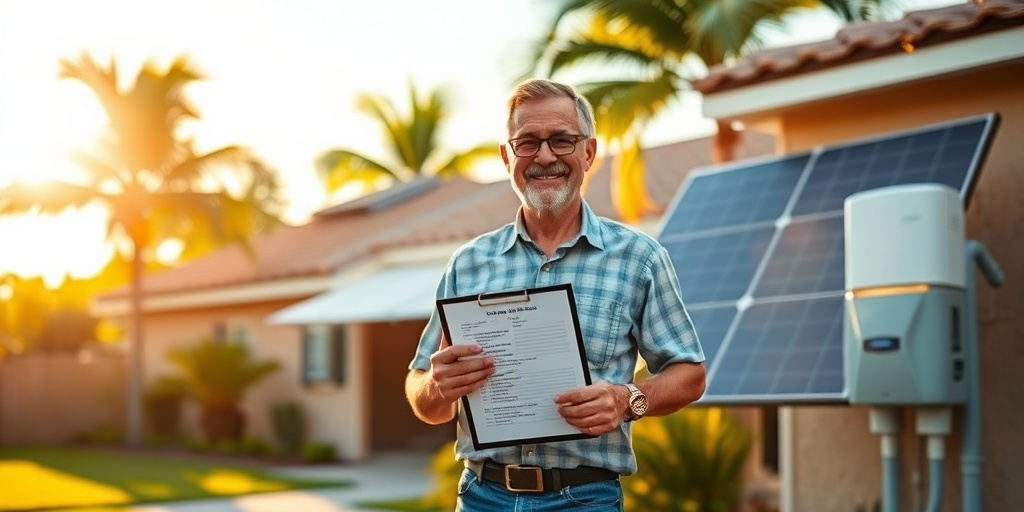
In the shimmering sunshine of Florida’s Gulf Coast, homeowners are standing on the verge of a transformative revolution in energy consumption. Did you know that just last year, an astonishing 23% of residential solar installations occurred in the Sunshine State? This bold statistic reflects the growing movement towards solar energy across Florida as more residents recognize the benefits and savings involved in solar installations. What if you could join them? Solar power isn’t just a trend—it’s a revolutionary shift that can drastically lower your utility bills while creating a cleaner, more sustainable environment for future generations. The blog title you’re about to read is “Unlocking Solar Incentives for Gulf Coast Homeowners in 2023.” In this article, we’ll discover invaluable solar incentives and explore how they can significantly contribute to savings for your household. In fact, according to a recent report, the average Florida homeowner can save up to $20,000 over 20 years by installing solar panels (Energy.gov). What makes this journey even more urgent in 2025 is the introduction of new incentives, expected increases in energy costs, and a relentless push toward sustainability amidst ongoing climate concerns. As we move forward, we’ll delve into five comprehensive sections: a compelling case study on a local homeowner, a checklist of essential steps to navigate the solar process, an insightful myth-busting segment on common misconceptions, a technical deep dive into solar technology and policy, and finally, an actionable plan. Let’s embark on this enlightening path to maximizing your energy savings!
Gulf Coast Case Study: The Transformation of the Peterson Family
Meet the Peterson family—they’ve lived in their Gulf Coast home for over a decade. Like many Floridians, they faced rising electricity costs and a desire to do their part in combating climate change. After extensive research, they decided to install solar panels in early 2023, motivated by several factors, including skyrocketing utility bills and available solar incentives. The process began with an evaluation by a local expert from floridaelectricandsolar.com, who offered them tailored advice on the best system to suit their specific energy needs.
The Petersons encountered the federal tax credit, which allowed them to claim up to 30% of the installation costs back on their taxes (SEIA.org). Additionally, they benefited from Florida’s property tax exemption on solar installations, meaning their investment wouldn’t increase their home’s taxable value. To solidify their commitment, they obtained financing through a local bank that offered low-interest loans for renewable energy projects.
After installing their 5kW solar system, the Petersons saw immediate results. Their monthly electric bill dropped from $230 to an incredible $39, saving them roughly $2,280 annually! By leveraging these solar incentives, they projected over $20,000 in savings over the lifespan of their system. The family was thrilled — their dream of sustainable living began to materialize in just a few months. Today, they proudly showcase their solar installation to neighbors, often sharing the positive impact that clean energy has had on their lifestyle.
As we reflect on the Petersons’ story, it becomes clear that making the transition to solar power is no longer just a dream; it is now an achievable reality for Gulf Coast homeowners. In the next section, we will explore the essential steps you need to take to embark on your solar journey to experience written savings and comfort, just like the Petersons.
Your Roadmap to Solar Success: A Step-by-Step Checklist
So, you’re ready to dive into the world of solar energy, but where do you begin? Follow this straightforward checklist to ensure you’re well-prepared for your solar installation.
- Step 1: Audit Your Electric Bill
Start by reviewing your past electric bills, ideally from the last 12 months. This will help you understand your energy consumption patterns and establish how much solar energy you need to generate savings. Document your highest and lowest months to identify trends. - Step 2: Research Solar Incentives
Familiarize yourself with available solar incentives. The federal solar tax credit, property tax exemptions, and state-wide programs can significantly reduce installation costs. Keep an eye on Florida-specific initiatives during 2025, as new programs may emerge. - Step 3: Find a Reputable Solar Provider
Research local solar companies, read reviews, and ask for referrals from friends or family. Education is key! A reputable provider will help you navigate the available incentives and explain your options in detail. - Step 4: Schedule a Professional Consultation
Contact your chosen solar provider for a site evaluation. They will check your roof’s orientation, shading issues, and overall solar potential. This consultation is crucial for understanding your unique energy needs. - Step 5: Installation and Monitoring
Upon signing a contract, your solar provider will set a timeline for installation. After installation, ensure that you monitor your system through an app provided by your installer, tracking your energy production and savings over time.
Completing these steps will help solidify your path to solar energy while optimizing your investment. In the next section, we’ll tackle some of the prevalent myths surrounding solar energy, ensuring that you’re equipped with accurate knowledge on your solar journey!
Myth-Busting Solar Energy: Dispelling Common Misconceptions
Despite its growing popularity, solar energy is often surrounded by myths and misunderstandings. In this section, we’ll dismantle some of the most common myths to help you feel confident about your solar decisions.
- Myth #1: Solar Panels Are Too Expensive
Many believe solar panels come with an exorbitant price tag. While the upfront cost can seem high, the reality is that federal and state incentives can significantly offset installation costs. Moreover, the average Floridian can save thousands over the lifespan of the installation. - Myth #2: Solar Energy Only Works in Sunny Areas
This misconception is misleading. Even on cloudy days, solar panels continue to produce energy. Florida’s sunny climate does provide a substantial advantage, but solar energy can still thrive in other conditions. - Myth #3: Solar Panels Require Constant Maintenance
Many homeowners are concerned about upkeep. In truth, solar panels require minimal maintenance, typically needing only an annual inspection and occasional cleaning to maximize efficiency. - Myth #4: You Can’t Go Solar If You’ve Had Roof Repairs
Another prevalent belief is that roof repairs will limit solar installation options. However, solar companies can work with various roofing materials, and it’s often possible to install panels on homes with recent repairs. - Myth #5: Solar Energy Isn’t Reliable
Solar energy is becoming increasingly reliable as technology advances. Energy storage solutions, like batteries, allow homeowners to have power even when the sun isn’t shining. In fact, over 65% of new solar installations now include battery storage (SEIA.org).
As we clarify these misconceptions, remember that knowledge is power. Understanding the facts surrounding solar energy will empower Florida homeowners to make informed, confident decisions about their energy solutions. Moving on, we will conduct a technical deep dive into the groundbreaking technology and policies that pave the way for solar adoption in 2025.
Understanding Solar Technology and Policies: A Technical Deep Dive
The solar energy landscape is rapidly evolving with advancements in technology and supportive policies. As a Florida homeowner, getting acquainted with this dynamic can greatly inform your journey towards solar energy. Let’s break down the essential components of solar technology, including panels, inverters, mounting systems, and storage solutions.
Solar Panels: The backbone of a solar energy system, these panels convert sunlight into electricity through photovoltaic cells. As technology advances, panel efficiency continues to rise; today’s standard panels can convert about 20% of sunlight into usable electricity.
Inverters: Inverters are critical for converting direct current (DC) generated by solar panels into alternating current (AC), which powers your home. New microinverters and string inverters offer improved efficiency and monitoring capabilities, allowing homeowners to track their system’s performance in real-time.
Battery Storage: Energy storage systems, such as batteries, allow homeowners to store excess energy generated during the day for use during the night or cloudy days. As prices for batteries decrease, their adoption is becoming more common among Florida homeowners, especially as energy independence becomes a priority.
As for policies shaping the solar landscape in Florida, consider these pivotal components:
- Net Metering: Florida operates under a net metering policy that ensures homeowners receive credits for excess energy generated by their solar systems, effectively helping reduce future electricity costs.
- Interconnection Standards: The state has established regulations and standards for solar installations to ensure safety, reliability, and approval of grid connection. Understanding these standards can help you feel more secure about investing in solar technology.
- Incentives and Credits: In 2025, it is expected that Florida residents will see an expansion of valued incentives, including grants and rebates aimed at promoting solar installations, further reducing overall costs.
By familiarizing yourself with both the components of solar systems and relevant policies, you’ll be better prepared to make informed choices about going solar. Let’s draw from this knowledge to create an actionable plan that will set you on a successful path before the end of the year!
Next Steps for Florida Solar Buyers in 2025
Now that you are equipped with knowledge about solar incentives, technologies, and the typical myths, it’s time for action! Here’s how to proceed on your journey toward solar energy in Florida.
- Assess Your Current Energy Situation
Review your electric bills to understand your yearly energy consumption. Compare this to local solar provider estimates to see if solar panels make financial sense for you. - Explore Available Incentives
Stay updated on federal, state, and local incentives. Visit the floridaelectricandsolar.com website to check for any new programs or financial assistance in 2025. - Consult Multiple Solar Providers
Seek out at least three solar providers, ensuring you gain varied perspectives on cost, technology, and service quality. - Evaluate Financing Options
Explore different financing options. Loan financing, leases, and power purchase agreements (PPAs) all have advantages based on your financial situation. - Finalize Your Installation
Once you decide on a provider, ensure all paperwork is in order, including building permits and utility interconnection agreements, before the installation date.
Taking these crucial steps ensures that you will maximize your solar investment. As you consider embracing solar energy, remember the Peterson family’s journey and the significant savings they realize today. Each step is all about empowering yourself to cut your electric bills while contributing to a more sustainable energy future.
As we draw this enlightening discussion to a close, let’s recap your newfound understanding: the benefits of solar energy extend far beyond financial savings. By investing in solar, you’re not only taking control of your energy costs but also playing a critical role in protecting our environment for generations to come. In a time when energy prices are fluctuating and climate change is a profound concern, now is the moment for action. Don’t delay in seizing the incentives available to you, especially as they may change in the coming years.
Ready to start your solar journey in 2025? Connect with a certified expert at floridaelectricandsolar.com today.
Related Articles
More insights about Solar Incentives

Are Solar Panels Worth It in Florida? (2026 Guide)

How Can Solar Incentives by State Benefit Florida Homeowners

10 Essential Solar Incentives Every Florida Homeowner Should Know
Ready to Go Solar?
Have questions about solar energy? Our experts are here to help you make the switch to clean, renewable energy.