
Unveiling the Essential Components of Off-Grid Solar Systems
Share:
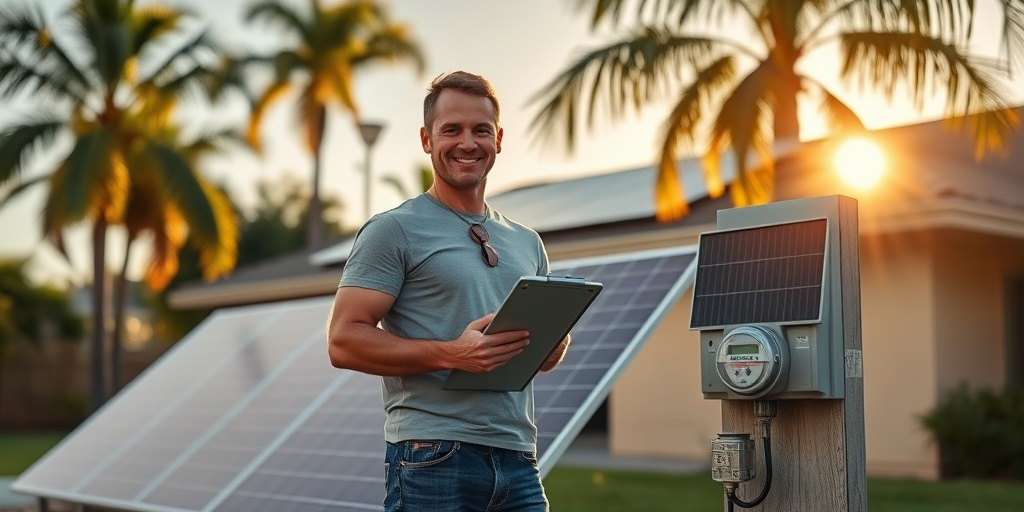
Solar energy is not just a trend; it’s a transformation—one that residents in Florida are leaning into as energy independence becomes more critical than ever. In fact, a staggering 75% of homeowners are considering solar installations to combat rising energy costs, which can rise as much as 20% by 2025 due to inflation and grid-related issues (Energy.gov). This growing interest has made understanding the ins and outs of solar systems essential. Today, we are unveiling the essential components of off-grid solar systems—a critical aspect for many who desire greater energy autonomy and to optimize their energy independence. With Florida’s sunlight available year-round, harnessing solar energy not only enhances home value but also presents a valuable investment opportunity as grid instability looms in 2025 and beyond.
Understanding off-grid solar systems is especially urgent in Florida, where homeowners can leverage federal incentives allowing for savings up to $3,000 when converting to solar energy (SEIA.org). In this blog, we will cover five key sections: an in-depth case study that shares a Florida homeowner’s journey to energy independence, a checklist for essential components needed for an off-grid system, a myth-busting segment to clarify misconceptions surrounding solar energy, a focus on local aspects of solar solutions that cater to Florida, and finally, a technical deep-dive into the technological specifications and best practices for solar installations. Together, we will navigate the intricate world of off-grid solar systems and empower you to make informed decisions for your energy needs.
Exploring the Heart of Off-Grid Solar Systems
A compelling case showcases the journey of Anna, a retired teacher living in Boca Raton, who wanted to break free from her utility company’s rising rates. Anna, frustrated with her yearly bills that climbed by 15% each year, decided to take charge of her energy consumption by investing in an off-grid solar system. Her story encapsulates the essence of energy independence that many Florida homeowners aspire to achieve.
Anna’s decision marked the beginning of a thorough exploration of the components of off-grid systems. Here is a checklist to guide homeowners in the installation of their own systems:
- Assess Your Energy Needs: Conduct an energy audit to understand your household’s electricity consumption and determine the size of the system needed.
- Solar Panels: Choose high-efficiency solar panels optimized for Florida’s climate. Consider both monocrystalline and polycrystalline options based on budget and performance needs.
- Inverter Selection: Select a reputable inverter that converts the DC electricity generated by the solar panels into AC electricity suitable for home use.
- Battery Storage: Invest in a quality battery bank to store excess energy generated during sunny days for use during nighttime or cloudy conditions.
- Mounting and Installation: Choose appropriate mounting solutions that offer durability against Florida’s hurricane winds while ensuring maximum sunlight exposure.
It’s crucial to understand that several myths surround solar energy, which can deter homeowners from making the leap into this sustainable lifestyle. Let’s debunk some of these misconceptions.
Myth-Busters: Understanding Off-Grid Solar Systems
Myth #1: Solar energy can only be harvested during the daytime.
This is false; off-grid systems equipped with battery storage can store energy during the day for use at night. Anna’s system allows her to use power regardless of the time of day.
Myth #2: Solar systems require constant maintenance.
In actuality, off-grid systems typically need minimal upkeep. Regular cleaning and inspections are all that’s necessary, ensuring peak performance.
Myth #3: Solar panels are too expensive to install.
While upfront costs can seem high, federal and state incentives can significantly reduce the initial investment, resulting in long-term savings on utility bills.
Myth #4: Off-grid systems aren’t reliable.
In Florida, sunny weather contributes to reliable solar outputs, and with the right components, systems can perform consistently year-round.
Myth #5: You can’t use solar energy during cloudy days.
While it’s true that efficiency drops, off-grid systems can still capture energy in cloudy conditions, especially with larger battery storage solutions.
Florida’s Unique Energy Landscape
The local landscape in Florida offers an ideal framework for off-grid systems, calling for special consideration of specific factors important to the region. Residents often marvel at the fact that Florida is known as the “Sunshine State” for a reason; on average, the state experiences over 237 sunny days per year (SolarReviews.com). This consistent sun makes it an ideal environment for solar solutions.
- Solar-Ready Regulations: Florida’s regulations encourage solar energy adoption, including no sales tax on solar panels, making it easier for homeowners to invest in solar systems.
- Net Metering Policies: While off-grid systems don’t rely on the grid, it’s valuable to know that any excess energy produced can be sold back to the grid, further increasing savings.
- Community Support: Many local organizations in Florida advocate for solar energy, offering educational resources, grants, and incentives tailored for residents.
Moreover, 29% of Floridians report having considered going solar due to environmental consciousness and rising energy costs (NREL.gov). These trends signal an encouraging shift toward sustainable practices among residents.
5 Expert Solar Installation Tips for 2025
As Florida steps into 2025, prospective solar owners should arm themselves with expert knowledge for successful solar installations. Here are five essential tips to consider when planning your system:
- Don’t Skimp on Panel Placement: Optimize panel positioning based on sunlight exposure to maximize energy capture. Roof angles and shading from trees are critical factors.
- Choose Quality Components: Invest in high-quality solar panels, inverters, and batteries. Cheaper options can lead to higher maintenance costs down the road.
- Utilize Professional Installers: Work with experienced installers who understand Florida’s climate and regulatory environment to ensure optimal setup.
- Plan for Growth: If you anticipate your energy needs will increase (such as an expansion of your home), plan your system accordingly for future capacity.
- Stay Informed: Keep up with technological advancements in solar energy, as innovations can enhance efficiencies and decrease costs over time.
As you embrace solar energy, ensure to familiarize yourself with resources available at floridaelectricandsolar.com for valuable insights into state policies and incentives.
A Journey to Solar Independence: A Homeowner’s Story
Imagine a family living in Gainesville, where energy costs continually rose, and their air conditioning bills during summer months pushed their budget to the limit. The Johnsons, a family of four, sat down one evening to figure out a solution. With rising frustration, they decided to give solar a shot. They thoroughly investigated their options and ultimately decided to invest in an off-grid solar solution.
As they began their journey, they discovered several critical aspects about off-grid living:
- Understanding solar load requirements was vital; knowing how many kilowatts they needed significantly influenced the size of their solar setup.
- Investing in a larger battery bank provided peace of mind during Florida’s unpredictable rainy season. It not only stored energy generated but also allowed them to enjoy evenings without concerns about power shortages.
- They purchased efficient appliances that consumed less energy, aware that reducing power consumption maximized their investment in solar technology.
- Regular monitoring of their system performance led to better utilization, allowing them to adapt usage trends according to solar generation.
By the time summer arrived, the Johnsons had eliminated their electric bill, empowering their family and transforming their lifestyle. They had made a significant investment in solar energy, which not only resulted in tangible savings but contributed to a sustainable future as they envisioned a more eco-friendly home.
Next Steps for Florida Solar Buyers in 2025
If you’re pondering the switch to solar energy, it’s vital to follow a structured approach. Here’s a clear and actionable plan:
- Step 1: Audit Your Electric Bill: Begin by reviewing your monthly bills over the past year to get an accurate picture of your energy usage.
- Step 2: Research Local Incentives: Look into available rebates and tax credits that can minimize upfront costs and encourage solar adoption.
- Step 3: Choose Your Solar Provider: Select a reputable local solar company with expertise in off-grid systems, ensuring you understand their installation and warranty policies.
- Step 4: Plan Your Installation: Work with solar experts to customize a system that meets your specific energy needs while maximizing efficiency.
- Step 5: Participate in Continuing Education: Follow up on updates in local policies and solar technologies to stay informed about making the most of your investment.
For more resources and insights, connect with professionals at floridaelectricandsolar.com.
In conclusion, embarking on the journey of energy independence through off-grid solar systems is not just a financial decision; it’s a commitment to a sustainable lifestyle. Through understanding essential components, dispelling myths, and learning from the experiences of others, you can confidently navigate the solar terrain. The possibilities for lower bills, increased home value, and contributing to a greener planet are within reach. With 2025 just around the corner, there’s no better time to make the leap into solar energy.
Ready to start your solar journey in 2025? Connect with a certified expert at floridaelectricandsolar.com today.
Related Articles
More insights about Off-Grid Solar

Myth-Buster: Off-Grid Solar Systems Are Not Always Unaffordable

What You Need to Know About Off-Grid Solar Systems

How One Florida Business Reduced Costs with Off-Grid Solar Systems
Ready to Go Solar?
Have questions about solar energy? Our experts are here to help you make the switch to clean, renewable energy.