
Warning: Don’t Overlook These Solar Scams to Avoid
Share:
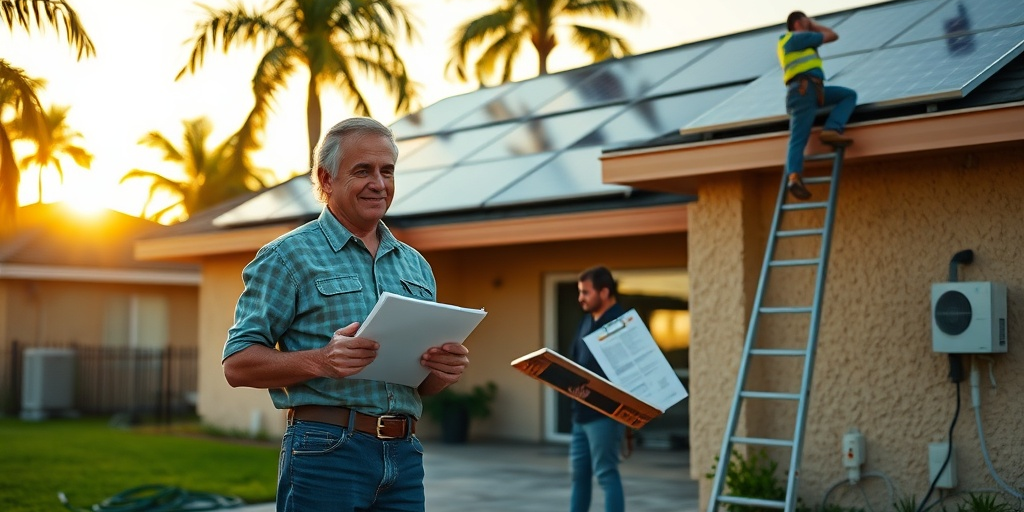
As Florida homeowners, you’re likely aware of the incredible potential of solar energy to transform your electricity bills into significant savings. However, amid rising energy costs and rapid advancements in solar technology, the landscape is rife with opportunities—and pitfalls. Did you know that in 2023, Florida ranked second in the nation for installed solar capacity, with over 7,500 megawatts (MW) installed (SEIA.org)? Yet despite these advancements, many consumers fall prey to scams that promise the moon but deliver little more than frustration. This brings us to our main focus: Warning: Don’t Overlook These Solar Scams to Avoid. It’s critical that you stay informed as we step into 2025, a pivotal year for solar incentives and grid stability. In this article, we’ll not only identify common scams but arm you with the knowledge you need to make informed decisions about your solar installation and maximize your energy savings. Here’s a quick preview of what we’ll cover: The harrowing tales of homeowners who encountered scams, a checklist to keep you safe, myths debunked, a detailed look at local laws and incentives, and best practices for ensuring you select trustworthy installers in Florida. So, let’s dive in.
Understanding the Landscape: The Dark Side of Solar
In the wake of Florida’s booming solar industry, it’s essential to be aware of potential scams targeting unwary homeowners. Below, we present a case study that illuminates the dark side of solar energy.
Meet Susan, a Florida homeowner who was excited about switching to solar. Enamored by the promise of lower utility bills and environmental benefits, she signed a contract with a firm that promised to install high-efficiency solar panels at a bargain price. The initial enthusiasm quickly turned into heartache when Susan discovered numerous issues: low-quality equipment, misleading warranties, and poor installation that led to inefficiencies in energy production. With the market expected to grow to meet 20% of electricity needs by 2025, such scenarios could become more frequent amidst the rush for new customers (NREL.gov).
To protect yourself like Susan should have, here’s a quick checklist:
- Research Installer Credentials: Ensure your installer is licensed and insured.
- Read Reviews: Check independent sources for ratings and testimonials.
- Understand the Contract: Make sure you read fine print and get everything in writing.
- Beware of High-Pressure Sales: If it feels rushed, take a step back.
- Ask for References: Genuine installers should be proud to share their previous work.
It’s also essential to debunk some myths surrounding the installation process and equipment used. Many individuals believe that all solar panels are created equal, leading to poor choices based on price alone. The truth is, the efficiency and longevity of panels vary greatly. For example, high-efficiency panels can produce up to 20% more energy compared to lower-tier options. Additionally, many homeowners fall victim to the misconception that going solar requires a hefty upfront investment, but there are ample financing options available, including zero down payment plans that can be paired with federal tax credits (Energy.gov).
Florida’s specific incentives enhance the landscape even further. Homeowners are eligible for a 26% federal tax credit for solar installations, which is crucial as we move into 2025 with predictions of new regulations designed to push solar usage higher. This changing policy landscape can feel overwhelming, but it’s vital that you remain informed about your prospects.
The risks are palpable, but by actively engaging in thorough research and staying aware of potential scams, you can outsmart the many dubious offers that flood the market. As we proceed, keep your guard up while considering your solar options.
Protect Yourself: A Comprehensive Checklist to Avoid Solar Scams
Here’s your essential toolkit to navigate through various scams that plague the solar energy sector in Florida.
- Step 1: Audit Your Electric Bill
- Step 2: Research Solar Options
- Step 3: Get Multiple Quotes
- Step 4: Learn About Local Incentives
- Step 5: Consult Experts
Before even considering solar, know your needs. Review your last year of electric bills to understand your average energy usage.
Look for reputable companies like floridaelectricandsolar.com that prioritize quality equipment and customer service in Florida.
Always obtain at least three quotes. This not only provides options but also helps you gauge what’s reasonable pricing. Be wary of unusually low estimates—they may suggest subpar craftsmanship or materials.
Familiarize yourself with various incentives affecting Florida homeowners. The state offers multiple local and state grants designed to support the move towards renewable energy.
Seek advice from trusted solar consultants who can help you identify which systems suit your lifestyle and budget best.
This straightforward approach will help you make wise decisions and keep you safe from attractively presented but misguided solar opportunities.
Myth-Busting: Clarifying Common Misconceptions About Solar
Let’s tackle the five biggest myths holding Florida homeowners back from enjoying the benefits of solar energy:
- Myth #1: Solar is Too Expensive. Many believe that the upfront cost of solar panels is prohibitive; however, various financing options exist, including payment plans that are tailored for homeowners.
- Myth #2: All Solar Panels Are the Same. Each solar panel operates at a different efficiency level based on its brand and technology. Investing in higher-quality equipment typically leads to longer-lasting performance and greater energy savings.
- Myth #3: You Can’t Go Solar If You Live in a Condo. While some condominiums have restrictions, many now allow homeowners to buy into community solar programs, which allow them to benefit from solar without having a system on their own rooftop.
- Myth #4: Solar Panels Stop Working When the Sun Disappears. Solar panels can still generate electricity on cloudy days; they may be less efficient, but they function well enough to provide significant energy savings throughout the year.
- Myth #5: It’s a Hassle to Switch to Solar. Modern innovations have streamlined the installation process significantly. With technological advancements, many customers report that installation is more seamless than ever.
By demystifying these prevalent myths, we’re one step closer to ensuring you feel empowered as you explore the solar options available to you. Eliminating these misunderstandings is crucial as you approach your solar journey in 2025.
Best Practices: 5 Expert Solar Installation Tips for 2025
As solar energy continues to advance, implementing effective strategies during your solar journey is essential. Here are five expert installation tips to make your transition to solar as smooth as possible:
- Choose Quality Equipment: Don’t skimp on panel quality. High-efficiency panels yield better returns over time, maximizing your solar investment.
- Assess Your Roof’s Condition: Before installation, ensure that your roof is structurally sound and fit for solar panels. If you need to replace your roof, consider doing so before solar installation.
- External Factors: Think about how seasonal changes or trees surrounding your property may obstruct solar access during certain parts of the year. Make strategic decisions regarding placement.
- Documentation: Maintain meticulous records of warranties, installation checklists, and inspections to guard against potential future issues.
- Stay Informed: As the solar world is continually changing, ensure that you remain educated about new technologies, local legislation, and federal incentives.
Implementing these best practices will lead you to a seamless installation experience, one where you feel not just satisfied, but proud of your solar energy investment.
Your Solar Journey: A Fictional Homeowner’s Experience
Let’s take a closer look at a narrative that illustrates the homeowner’s journey into solar, providing you with takeaways to implement.
Meet Jason, a typical homeowner in Clearwater, who decided it was time to reduce his rising electric bills. Guided by friends who previously converted to solar, he began his research. Here’s what he discovered:
- Community Engagement: Local solar fairs regularly hosted by Florida utilities provided detailed insights about solar options.
- Government Incentives: Jason learned that federal incentives would drastically reduce his overall investment, making it a prudent choice for him.
- Choosing the Right Company: By networking and seeking recommendations, Jason partnered with a local contractor known for integrity and quality service.
- Utilizing Solar Monitoring Tools: Post-installation, he employed monitoring tools to track his system’s output and effectiveness, actively managing his investment.
Through his well-informed journey, Jason emerged transformed—no longer just a consumer but an advocate for solar energy, ready to share his story with others. His experience embodies a pathway to success that many Florida homeowners can replicate.
Next Steps for Florida Solar Buyers in 2025
To successfully navigate the solar maze, here’s your actionable plan:
- Step 1: Audit Your Electric Bill
- Step 2: Research Reliable Companies
- Step 3: Understand Financing Options
- Step 4: Review Your Contract Thoroughly
- Step 5: Schedule an Installation
Remember to calculate your average energy usage from past bills to understand your needs.
Find reputable installers in your area and check their certifications and local ratings. Legitimate companies will have plenty of good reviews and references.
Investigate multiple routes for financing your new system, including potential grants and tax incentives available in Florida.
Before finalizing any agreements, ensure clarity on payments, warranties, and services.
Once comfortable with your research, arrange for an installation date with your trusted installer, and prepare for exciting new energy savings.
Taking these steps will empower you to make judicious decisions regarding your solar purchase, allowing you to achieve your energy independence smoothly.
Conclusion
In conclusion, equipping yourself with an understanding of the solar landscape is vital for anyone considering going solar in Florida in 2025. As we have seen, the opportunities are immense, but so are the risks posed by less-than-reputable players. From Susan’s missteps to Jason’s success, learning how to recognize and avoid scams can mean the difference between frustration and satisfaction. It is essential to trust your journey, learn from others, and never hesitate to reach out for expertise. The potential to own your power—and save significantly on electric bills—awaits. So, as you ponder your solar journey, remember that the right knowledge will serve as your best defense against potential pitfalls.
Ready to start your solar journey in 2025? Connect with a certified expert at floridaelectricandsolar.com today.
Related Articles
More insights about Solar Scams

Don’t Miss This Critical Alert About Solar Scams

Don’t Ignore These Critical Solar Scams to Avoid

Myth-Buster: The Truth About Solar Scams You Should Know
Ready to Go Solar?
Have questions about solar energy? Our experts are here to help you make the switch to clean, renewable energy.