
Warning: Don’t Ignore These Critical Solar Tax Credit Changes
Share:
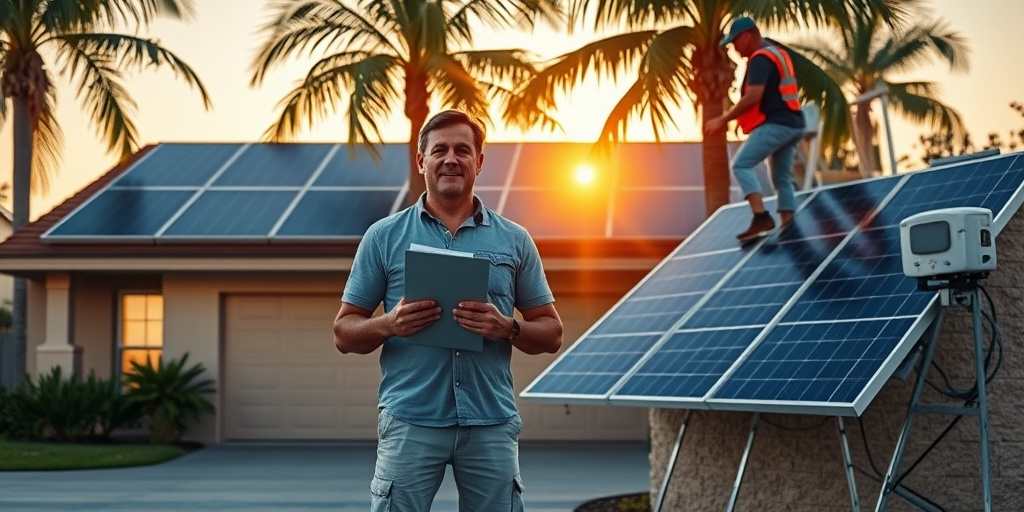
As we approach 2025, an alarming reality is unfolding that many Florida homeowners cannot afford to ignore: significant changes are coming to solar tax credits. Did you know that a typical Floridian household could save anywhere from $11,000 to $30,000 over the lifespan of solar panels, depending on the incentives available? Or that those who installed solar power systems by 2021 were eligible for a 26% federal Investment Tax Credit (ITC)? (SEIA.org) However, changes to this vital tax credit are on the horizon, and such developments could mean crucial savings are slipping away more rapidly than anticipated. In this article titled Warning: Don’t Ignore These Critical Solar Tax Credit Changes, we are here to empower you with the information to maximize your solar tax credits before they diminish. The urgency is real, as rising energy costs and evolving regulations create a formidable challenge for Florida homeowners and commercial property owners alike. This is an essential read for anyone considering solar in 2025! We will cover five pivotal sections in this article: the alarming changes in solar incentives, a comprehensive checklist for navigating tax credits, common myths debunked, a local focus on Florida’s solar landscape, and a technical deep-dive into solar systems. Buckle up!
Case Study: The Real Cost of Ignoring Solar Tax Credit Changes
Consider Sarah, a Florida homeowner who decided to embrace solar energy. Living in Orlando, Sarah was drawn to the promise of long-term savings and the environmental benefits of renewable energy. In 2021, she took advantage of the 26% federal ITC, which translated to a substantial discount on her installation costs. Her decision to invest in solar panels was fueled by a desire to not only cut her electric bill—which was skyrocketing like many others—but also contribute to a sustainable future.
Yet, as she began her research in preparation for an additional installation in 2025, she encountered troubling news about upcoming changes. The federal tax credit is set to decrease to 22% in 2023 and will phase out completely for residential installations after 2024 (Energy.gov). If Sarah had waited, she could potentially lose thousands in savings. The urgency is high—homeowners looking to go solar would be genuinely alarmed to learn that delaying their decision to install solar power might cost them both financially and environmentally.
To ensure you don’t miss out on substantial savings, here’s a checklist of steps you should follow:
- Step 1: Evaluate Your Solar Needs – Understand your energy consumption and what you hope to achieve.
- Step 2: Research Solar Installers in Florida – Look for certified professionals with stellar reviews.
- Step 3: Get Familiar With the ITC Timeline – Mark your calendar to ensure installation before the credit phase-out.
- Step 4: Consider Additional Florida Incentives – Inquire about property tax exemptions and state programs.
- Step 5: Consult Expert Resources – Utilize knowledgeable companies like floridaelectricandsolar.com to guide your journey.
It’s paramount for homeowners to shed light on the myths surrounding solar energy to make well-informed decisions. Unfortunately, misinformation often leads individuals to hesitate.
Myth Buster: Common Misconceptions About Solar Tax Credits
Myth #1: “The solar tax credit is available to all, so I can wait.” Incorrect! The federal tax credit is set to decrease, ending completely for residential installations in 2025. Action-oriented homeowners should act now.
Myth #2: “I can’t afford the upfront costs.” On the contrary, government incentives, along with financing options, make solar energy significantly more approachable than ever before. A recent report showed that solar energy prices dropped by nearly 90% since 2000 (SolarReviews.com).
Myth #3: “Solar panels don’t work in Florida due to hurricane concerns.” This is misleading; Florida boasts some of the best sunlight hours in the country, and modern solar technology is designed to withstand high winds. Florida’s climate actually enhances the efficiency of solar panels.
Myth #4: “The payback period for solar investment is too long.” Many homeowners find that their systems pay for themselves within 5–7 years (DSIREUSA.org), thanks to savings on electric bills and available incentives. Timing is crucial!
Myth #5: “I can easily DIY my solar installation.” While it’s admirable to be proactive, installing solar panels requires expertise and permits. Professional installation provides essential warranties and maximize your efficiency.
As you navigate these misconceptions, remember to focus on the tangible savings and keen awareness of Florida-specific opportunities.
Local Focus: Navigating Florida’s Solar Incentives
The sunniest state in the U.S. is a prime location to invest in solar energy systems, yet Florida homeowners face unique challenges that can distract from the benefits. With incentives like the Florida Property Tax Exemption and Sales Tax Exemption for solar energy systems, residents can make significant savings (FL House Bill 7109). However, changes in tax credits can impact overall affordability.
Understanding the implications of the federal tax credit is crucial. If homeowners act before the credits phase out, they benefit from substantial savings. According to local energy resources, Floridians adopting solar energy earlier could save upwards of $15,000 on average—considerably more over time when factoring in escalating energy prices (State of Florida Energy Office). In fact, the solar industry has burgeoned, creating jobs in installation, maintenance, and management for local enterprises.
To harness these local benefits:
- Investigate local solar incentive programs that could bolster your investment.
- Stay updated on legislative changes affecting solar tax credits and support renewable energy policies.
- Use reliable resources to compare solar installation quotes tailored to Florida’s environment.
Rising energy costs and increasingly unstable grids have made solar installation more urgent than ever for homeowners in the Sunshine State. Join the many Floridians who are embracing renewable energy solutions as a proactive path towards affordable, sustainable power.
Technical Deep-Dive: Understanding Solar Energy Systems
As we prepare for a future with a diminishing tax credit framework, it’s essential to understand the technical elements of solar energy systems. Not all solar setups are created equal, and homeowners must consider various factors when equipping their roofs with solar technology.
Here are five critical technical components to examine:
- Panels: The heart of any solar energy system, photovoltaic (PV) panels capture sunlight and convert it into electricity. Choosing high-efficiency models will ensure maximum power generation.
- Inverters: These devices convert the direct current (DC) produced by solar panels into alternating current (AC), which powers your home. Selecting reliable inverters can enhance your system’s efficiency and lifespan.
- Batteries: To gain independence from the grid, many homeowners explore solar battery options to store energy for later use. Integration with battery storage can further lessen reliance on traditional power sources.
- Monitoring Systems: Smart monitoring enables homeowners to keep track of their energy consumption and effortlessly spot dips in system performance, ensuring maximum output.
- Installation Quality: Quality installations provide warranties and ensure operational efficiency. Picking reputable solar installers that understand Florida restrictions is vital to safeguarding your investment.
Being informed about these components arms you with the knowledge needed to engage with installers on a deeper level. Make no mistake—understanding the mechanics will not only help you maximize your savings but also verify your investment as a sound choice for years to come.
Next Steps for Florida Solar Buyers in 2025
With the landscape of solar energy shifting dramatically, homeowners must take action now to capitalize on incentives while they still exist. As you contemplate your solar journey in Florida, here’s a checklist of next steps:
- Step 1: Audit Your Electric Bill: Identify current energy costs and usage for effective solar planning.
- Step 2: Consult with Experienced Advisors: Engage with experts to develop a solar installation strategy that suits your needs.
- Step 3: Schedule an Energy Assessment: Work with professionals to assess your home’s solar capacity.
- Step 4: Investigate Financial Incentives: Learn about applicable Florida incentives to maximize savings.
- Step 5: Don’t Delay Your Decision: Given the changing tax credit landscape, prompt action is paramount.
By aligning your decisions with the current incentives, you exhibit proactivity that not only elevates your personal savings but contributes to Florida’s commitment to sustainable energy solutions. For more personalized guidance, visit floridaelectricandsolar.com to connect with certified solar experts.
In conclusion, the urgency surrounding the changes to solar tax credits cannot be overstated. As explored throughout this article, homeowners like Sarah have the opportunity to act quickly, facing both rewarding savings and a chance to contribute towards a sustainable future for Florida. With rising electricity costs, evolving incentives, and a clearer understanding of solar technology, now is indeed the time to make informed decisions. Remember the staggering statistics that show how much you could lose by delaying—thousands of dollars in tax credits can slip away faster than your energy savings can accumulate. Urgency is the game’s name, and every moment counts.
Ready to start your solar journey in 2025? Connect with a certified expert at floridaelectricandsolar.com today.
Related Articles
More insights about Solar Tax Credit

10 Critical Considerations for Solar Tax Credit Success

Don’t Delay Your Solar Tax Credit Application to Avoid Missing Benefits

Don’t Risk These Common Solar Tax Credit Mistakes
Ready to Go Solar?
Have questions about solar energy? Our experts are here to help you make the switch to clean, renewable energy.