
Why Central Florida Residents Should Consider Solar Incentives
Share:
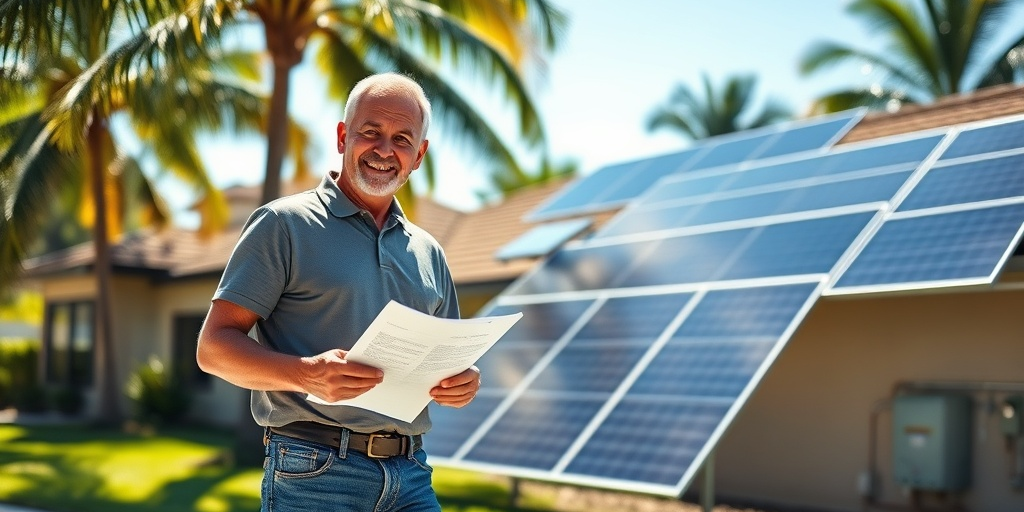
Imagine waking up in Central Florida on a sunny morning, stepping into your kitchen, and flipping on the coffee maker. You glance at the electric meter outside, only to realize your solar panels are generating excess electricity, and that means you’re not just sipping your morning brew; you’re also saving significantly on your energy bills. In 2025, this vision can become a reality for many Central Florida residents, and today, we’re here to explore why turning to solar energy is not merely an option, but a smart and timely investment for homeowners and commercial property owners alike. Welcome to “Why Central Florida Residents Should Consider Solar Incentives.” Did you know that approximately 80% of Florida’s electricity comes from natural gas, leading to price volatility that affects your monthly bills? According to a report by the Solar Energy Industries Association, Florida ranks as the third in the nation for solar capacity, showcasing the shift toward cleaner energy sources. Given the impending changes in energy incentives in 2025 and the rising energy costs, understanding your options becomes crucial.
In this blog post, you will find five comprehensive sections that will help you navigate the world of solar energy:
- A Case Study: A Florida Homeowner’s Journey to Solar Savings
- Actionable Checklist: Steps to Take for Your Solar Installation
- Solar Myths Debunked: The Truth about Going Solar
- The Local Focus: Florida-Specific Solar Incentives
- Technical Deep-Dive: Understanding Solar Systems and Their Components
Join us as we delve deeper into these topics, equipping you with the knowledge you need to embrace solar incentives and optimize your energy independence.
Empowering Your Future: A Case Study of a Florida Homeowner’s Journey to Solar Savings
Meet the Martinez family from Orlando, Florida—a household much like yours, juggling daily routines, family responsibilities, and escalating electric bills that seemed to rise every summer. Like many others, they once believed that solar energy was just another fleeting trend. Yet, as relentless heat waves hit Central Florida, the Martinez family realized their dependence on air conditioning was straining their finances. Deciding to research renewable energy options, they stumbled across a wealth of information about the “Solar Investment Tax Credit,” which stood at 26% in 2022 but was on track to decrease, pushing them toward a decision in 2025.
This led them to a local solar company, where a comprehensive assessment of their energy consumption and roof orientation confirmed their home’s solar potential. They learned that solar panels could effectively reduce their electric bill by up to 50%, freeing up cash for family outings and future savings. As they navigated the installation process, they received personalized service, which included government program guidance, leading them to realize they could receive a payment, in part, for producing excess energy through net metering.
Within months of installation, their monthly energy bill dropped exponentially. The benefits of encouraging energy independence and lowering their carbon footprint made the switch to solar even more rewarding. Can your family’s story mirror theirs? Here are actionable steps to help any Central Florida homeowner make this transition.
Your Solar Journey Made Easy: Actionable Steps to Take for Your Solar Installation
Take control of your energy future by following this straightforward checklist to ensure a seamless solar installation:
- Step 1: Audit Your Electric Bill
The first step is understanding what you’re currently spending on electricity. Review your last 12 months of bills to identify usage patterns. This can help determine the size of the solar system you’ll need. Many Florida homeowners are finding that their electricity rates average about 14.36 cents per kilowatt-hour (U.S. Energy Information Administration), underscoring why solar is an attractive alternative. - Step 2: Research Local Solar Incentives
Central Florida offers enticing solar incentives. Look into the various tax credits, rebates, and state programs. Discover how the Solar Investment Tax Credit can save you thousands. In Florida, property taxes on solar installations are exempt, ensuring your investment won’t inflate your tax bill. - Step 3: Meet with a Solar Consultant
Partner with a local solar company that has a solid reputation. Get an energy assessment, which will provide insight on roof orientation, shading issues, and potential solar production. A solar expert can help you navigate financing and incentives tailored to your needs. - Step 4: Choose the Right System
There are various types of systems: monocrystalline, polycrystalline, and thin-film. Each type has its pros and cons. For instance, monocrystalline panels are known for their efficiency but may come at a higher initial cost. Weigh these factors with the help of your consultant to make an informed decision. - Step 5: Installation and Monitoring
Once your system is installed, you’ll want to monitor its performance regularly. Many modern systems come with app-based monitoring that provides feedback on energy production. This not only ensures you’re benefiting from your investment but also helps identify maintenance needs sooner.
So, are you ready to take the plunge into solar? For assistance on this transformative journey, connect with experts at floridaelectricandsolar.com.
Dispelling the Myths: The Truth about Going Solar
As a Central Florida resident, you may have encountered several myths surrounding solar energy. Let’s clear the air and debunk these misunderstandings, allowing you to make an informed decision:
- Myth #1: Solar Panels Aren’t Effective in Cloudy Florida Weather.
This is a common misconception. Solar panels can still produce energy on cloudy days, generating electricity even with indirect sunlight. Florida’s climate, thanks to its many sunny days, is particularly favorable for solar production. - Myth #2: Solar Energy Systems Are Too Expensive.
While the initial investment may seem steep, thanks to various federal and state incentives, your actual outlay can be significantly reduced. By 2025, the demand for solar systems is expected to make pricing even more competitive. - Myth #3: Going Solar Will Reduce My Home Value.
This couldn’t be further from the truth. Research indicates that homes with solar energy systems can sell for more than those without. A study by Zillow found that homes with solar panels sold for an average of 4.1% more. - Myth #4: Solar Energy Systems Require Too Much Maintenance.
Generally, solar panels have minimal maintenance needs. Cleaning them a couple of times a year is sufficient. Regular checks ensure optimal function and longevity. - Myth #5: You Have to Buy Your Solar Panels Outright.
Leasing options and power purchase agreements are available if upfront costs are a concern. Many Floridians are opting for these alternatives, allowing them to benefit from solar energy without the initial financial burden.
Now that you have clarity on these myths, you can confidently consider the transition to solar energy. The journey continues as we explore more specific Florida-focused solutions.
The Local Focus: Florida-Specific Solar Incentives
In Florida, several incentives encourage residents to make the switch to solar energy. Here are some programs, benefits, and initiatives that you should know about:
- Solar Investment Tax Credit (ITC):
The federal ITC allows you to deduct a significant percentage of your solar costs on your federal taxes. As of now, this credit is 26% and will reduce over time as we move past 2025. - Florida’s Property Tax Exemption for Solar Systems:
In Florida, solar panels don’t increase your property tax assessments, making solar an even more appealing investment. - Net Metering:
Florida’s net metering program allows homeowners to earn credits on their utility bills for the excess energy produced by their solar panels. This can dramatically lower your future utility costs and ensure you’re compensated for the energy your system produces. - Solar Rebate Programs:
Many local Florida utility companies offer rebates for solar installations. By checking with your local authority, you can find additional incentives to further offset installation costs. - State Specific Grants and Loan Programs:
Organizations such as Duke Energy and FPL provide financing options for solar power, making affordability more accessible.
Understanding these benefits can help you maximize your savings in connection with solar energy. Want to learn more about the financial incentives available? Make sure to visit floridaelectricandsolar.com to stay updated.
Understanding Your Investment: A Technical Deep-Dive into Solar Systems and Their Components
The heart of every solar energy system lies in its components. Understanding these technical aspects will help you make informed decisions on installation:
- Solar Panels:
These collect sunlight and convert it into electricity. They come in various types, including monocrystalline and polycrystalline, each with its efficiency rates and costs. - Inverters:
Inverters transform the direct current (DC) generated by the solar panels into alternating current (AC) that powers your home. String inverters are common but consider microinverters for better efficiency, especially with partial shading. - Batteries:
Battery systems allow homeowners to store excess electricity for later use. This is especially useful for nighttime energy consumption and during grid outages. - Monitoring Systems:
Modern systems come equipped with monitoring technology that allows you to track your energy production in real-time. This transparency can keep you informed and proactive about maintenance. - Grid Connection:
Your solar energy system can be connected to the grid, providing access to energy when your solar production is low while selling back surplus power.
When investing in solar, it’s important to engage with knowledgeable installers who can explain each component’s role and benefit, allowing you to optimize your energy production. Achieving precision in your solar setup helps enhance the longevity and performance of your system.
Next Steps for Florida Solar Buyers in 2025
As the sun rises on your solar journey, it’s essential to take actionable steps to ensure a smooth transition:
- Step 1: Audit Your Electric Bill
Understanding your monthly expenditures on electricity serves as the foundation for solar planning. - Step 2: Research State Incentives and Programs
Familiarize yourself with the solar incentives available in Florida that can offset your initial costs. - Step 3: Consult with a Reputable Solar Advisor
Engage with experienced professionals who can guide you through the best practices and financial options in solar installation. - Step 4: Compare System Options
Evaluate multiple system configurations and pricing. Don’t hesitate to ask questions about warranty and lifespan. - Step 5: Monitor Performance Post-Installation
After installation, keep an eye on your system’s performance with monitoring tools to achieve optimal energy production.
By taking these steps, you set the stage for energy independence and financial savings. For more personalized guidance and information, reach out to floridaelectricandsolar.com.
As we conclude this deep dive into solar incentives for Central Florida residents, it’s clear that the decision to go solar goes beyond just saving money; it’s about embracing a sustainable energy future. The time has come to make informed decisions that positively impact your finances and the environment. With incentives in place now, waiting could mean forfeiting significant savings in the long run. Ready to start your solar journey in 2025? Connect with a certified expert at floridaelectricandsolar.com today.
Related Articles
More insights about Solar Incentives

Are Solar Panels Worth It in Florida? (2026 Guide)

How Can Solar Incentives by State Benefit Florida Homeowners

10 Essential Solar Incentives Every Florida Homeowner Should Know
Ready to Go Solar?
Have questions about solar energy? Our experts are here to help you make the switch to clean, renewable energy.