
Why Florida Homeowners Should Consider Off-Grid Solar Systems
Share:
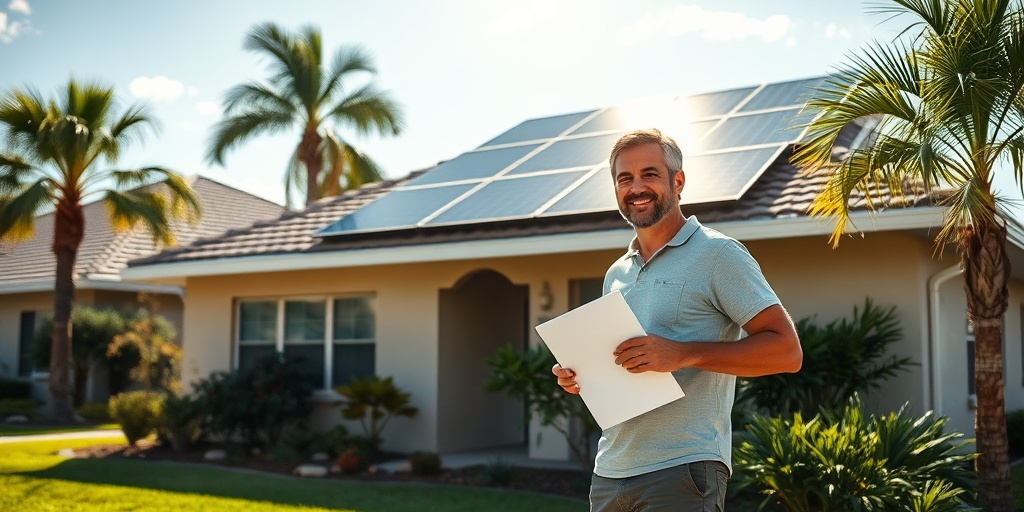
As the sun rises over the Sunshine State, the potential for Florida homeowners to harness energy from solar power becomes increasingly apparent. Did you know that nearly 25% of Florida’s energy comes from renewable sources? However, only about 5% of homes are powered by solar energy at present (SEIA.org). This discrepancy highlights a huge opportunity for Floridians looking to secure energy independence and significant savings. Welcome to our in-depth exploration of Why Florida Homeowners Should Consider Off-Grid Solar Systems. Off-grid solar systems not only allow you to reduce dependency on traditional utilities but also serve as a powerful safeguard against rising energy costs—a pressing concern expected to escalate in 2025 as utility companies continue to hike prices. In this article, we’re going to delve into the crucial reasons why off-grid solar systems are becoming a favored choice among Florida homeowners and how they can transform your energy future. Prepare to explore the following sections: 1) A Case Study showcasing an off-grid success story; 2) An essential checklist to guide your decision-making; 3) Debunking common myths surrounding off-grid systems; 4) A deep dive into the local factors influencing solar adoption; and 5) Steps you can take today to join the solar revolution.
1. Unleashing the Power of Off-Grid Living in Florida
Imagine a sunny afternoon in Florida, where the Johnson family enjoys a barbecue outside their home. While they savor the warm breeze and good company, they don’t have to worry about their electricity bill increasing or a sudden blackout leaving them in the dark. This idyllic scenario is not just a dream; it’s a reality achieved through the adoption of off-grid solar systems. This family made the decision to transition to off-grid solar energy in early 2025. Within months, they not only noticed a significant decrease in their electricity bills but also gained peace of mind knowing they are no longer vulnerable to unexpected utility outages.
While traditional solar systems connect to the power grid, off-grid systems are self-contained. They use solar panels, battery storage, and energy management systems to provide all the electricity needed for a home without relying on external sources. According to a report from the Solar Energy Industries Association, Florida ranks third in the country for solar installations, yet many homeowners remain unaware of the advantages of going fully off-grid (SEIA.org). The Johnsons took proactive steps to ensure their family’s energy independence, illustrating how empowered decision-making drives this positive change.
With that personal touch established, let’s delve into how you too might consider embarking on your off-grid solar journey.
- Step 1: Assess your energy needs. Evaluate your average energy usage to determine the size of the solar system you’ll require.
- Step 2: Research available solar components. Choose high-quality solar panels, batteries, and inverters tailored for off-grid use.
- Step 3: Consider local regulations. Understand state and local policies affecting off-grid installations—Florida is known for its pro-solar climate.
- Step 4: Consult with an expert. Engaging a trusted solar provider can help in tailoring your system for optimal performance.
- Step 5: Calculate return on investment (ROI). Use savings from reduced electricity bills and any available tax incentives to evaluate your investment.
Now that we’ve outlined the steps, it’s essential to tackle some prevalent myths surrounding off-grid solar systems that often prevent homeowners from making the switch.
2. Myth-Busting Common Misconceptions About Off-Grid Solar
Off-grid solar power is loaded with misconceptions that can create fear and uncertainty among Florida homeowners. Let’s confront these myths head-on.
- Myth #1: Off-grid systems are too expensive to install. In fact, costs have significantly decreased over the last decade. The average price of solar panels has dropped by over 70% since 2010 (SEIA.org), making them much more accessible.
- Myth #2: Off-grid living means you’ll never have enough power. With advancements in energy storage technology, modern battery systems allow you to store enough energy to power your home even during cloudy days.
- Myth #3: Going off-grid is complicated and messy. Today’s technology has streamlined the process, and with expert help, homeowners can enjoy efficient, clean energy without hassle.
- Myth #4: Off-grid systems are not reliable. With proper planning and backup resources (like generators), you can ensure you always have power when you need it.
- Myth #5: I can’t qualify for financing. Many lenders and local programs offer incentives or financing options specifically for homeowners wanting to go solar.
Contrary to popular belief, transitioning to an off-grid solar system is not only viable but also increasingly advantageous for Florida homeowners. For those considering transitioning off-grid, let’s take a look at specific local factors that can influence your decision.
3. Local Factors Influencing Your Off-Grid Solar Decision
In Florida, the environment is uniquely suited for off-grid solar systems. The state receives more than 260 sunny days annually, boasting some of the highest solar viability in the nation. Moreover, changing policy landscapes can accelerate your journey toward independent energy solutions.
Let’s explore some local factors to consider when thinking about solar installation:
- Solar Energy Tax Incentives: Florida offers various tax incentives, including property tax exemptions and sales tax exceptions for solar installations.
- Net Metering Policy: Florida’s net metering policy allows homes with solar systems to sell excess energy back to the grid, making it easier to finance your system.
- Insurance Considerations: Consult your insurance provider to assess how an off-grid system may affect your homeowner’s insurance policy and possible savings.
- Local Climate: Understand how Florida’s tropical climate may impact system durability, and consider choosing equipment rated for humidity and salt-air conditions.
- Community Resources: Many Florida cities promote solar initiatives—connect with local advocacy groups or resources like the Florida Solar Energy Center.
These factors don’t just establish a clear roadmap; they underline the decidable benefits of embracing off-grid solar living in Florida. For practical advice, reach out to the experts at floridaelectricandsolar.com and begin crafting your solar strategy.
4. Tips for Successful Off-Grid Solar Installation
As you embark on your quest for solar independence, here are five expert tips to guide your installation process, ensuring you reap maximum benefits:
- Choose Quality Components: Invest in high-efficiency solar panels and durable battery systems from trusted manufacturers. The upfront cost will pay off in longevity and performance.
- Plan Panel Placement Strategically: Optimal orientation and tilt angle can enhance solar energy collection, especially important in Florida’s sunny climate.
- Regular System Monitoring: Essential for troubleshooting and efficiency tracking, invest in smart energy management technology to keep tabs on system performance.
- Incorporate Energy Efficiency: Before going off-grid, consider overall home energy efficiency—seal drafts, enhance insulation, and choose energy-efficient appliances to maximize your solar investment.
- Stay Educated on Local Regulations: Engaging with local solar groups or community meetings can keep you informed on changing laws affecting your system.
As a final note, remember that your solar journey doesn’t end with installation. Engaging with your system through monitoring practices and community connections helps support a sustainable solar future.
5. Next Steps for Florida Solar Buyers in 2025
Now equipped with valuable information on off-grid solar systems, you may be wondering what steps to take. Here’s a handy checklist to guide your next actions:
- Audit Your Current Energy Bill: Identify peak consumption times and areas where you can reduce unnecessary waste.
- Calculate Your Off-Grid Needs: Estimate your daily energy consumption to determine the size system you’d require.
- Research Local Contractors: Look for reputable solar installers who have experience with off-grid systems. Check reviews, ratings, and ask for references.
- Evaluate Financing Options: Take time to look into local programs or credits that might offset your installation costs and enhance ROI.
- Follow Up With Experts: Schedule consultations with certified professionals in the field to tailor a system to your specific needs and goals.
By taking these steps, you’ll lay the foundation for successful solar integration into your life. For further information, visit floridaelectricandsolar.com and access a wealth of resources to guide your journey!
Conclusion
In conclusion, the choice to transition to off-grid solar systems presents a unique opportunity for Florida homeowners, offering independence, savings, and security. By reviewing local policies, debunking common myths, and adhering to best practices, you pave the way for a brighter energy future. Remember, the sun is calling you—don’t miss out on this compelling solar wave as we approach 2025.
Ready to start your solar journey in 2025? Connect with a certified expert at floridaelectricandsolar.com today.
Related Articles
More insights about Off-Grid Solar

Myth-Buster: Off-Grid Solar Systems Are Not Always Unaffordable

What You Need to Know About Off-Grid Solar Systems

How One Florida Business Reduced Costs with Off-Grid Solar Systems
Ready to Go Solar?
Have questions about solar energy? Our experts are here to help you make the switch to clean, renewable energy.