
Why Florida Homeowners Should Consider Solar Panel Financing Options
Share:
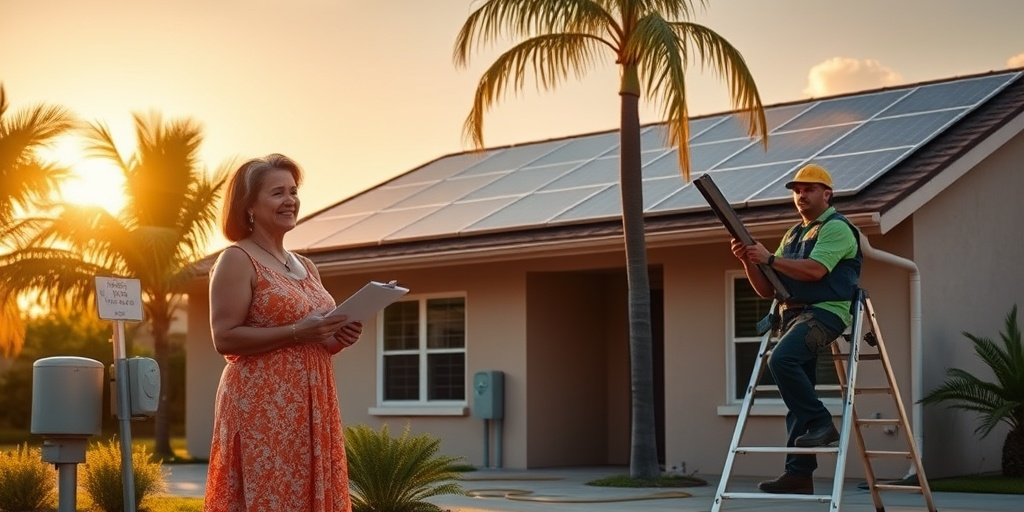
Did you know that the average Florida homeowner could save approximately $20,000 over a 20-year period by making the switch to solar energy? With an increasing number of Floridians recognizing the financial benefits of solar power, it’s clear that “Why Florida Homeowners Should Consider Solar Panel Financing Options” is a topic deserving of our attention. In addition, Florida ranks first in the country for solar jobs—over 100,000 jobs related to solar energy—and this number is only set to rise as the demand grows (FloridaSolar.org). But what happens when the upfront costs of solar installation remain a barrier for many potential users? This is where solar panel financing options come into play, providing necessary support for homeowners looking to harness solar energy. As 2025 approaches, Florida stands on the brink of significant changes in energy costs and solar incentives that could prompt homeowners to reconsider their energy sources. This discussion becomes even more urgent as we look at how solar financing can facilitate a tremendous shift in energy strategy for Florida residents.
In this article, we’ll delve into five distinct sections that highlight the importance of solar panel financing for Florida homeowners. First, we will unpack a compelling case study narrating a homeowner’s journey into solar power through financing. Second, we will provide a comprehensive checklist of steps to navigate financing options effectively. Following this, we will debunk several myths surrounding solar financing to clarify misconceptions. Next, we will dive into the unique nuances of Florida’s solar landscape and financing landscape. Finally, we will offer a technical analysis of solar technology, financing options, and utility billing in 2025. Let’s explore how you can maximize savings and embrace solar energy solutions today.
Understanding the Landscape: A Solar Financing Case Study
Meet Sarah, a typical Florida homeowner living in Orlando. With summer temperatures soaring and energy bills spiking, Sarah felt overwhelmed by her monthly utility expenses. “I just wanted to switch to solar, but I thought I couldn’t afford it,” she said. Like many of you, Sarah grappled with her decision until she discovered the available solar financing options. This changed everything. With a modest income and a desire to save on future electric bills, Sarah turned to Florida Electric & Solar to learn about financing pathways designed for homeowners like her.
By understanding her options, Sarah learned that financing plans could make her transition to solar not only possible but also financially sensible. She opted for a Power Purchase Agreement (PPA), which allowed her to install solar panels at no upfront cost—simply paying for the energy generated from her panels instead. At a locked-in rate that was lower than her standard utility costs, Sarah could budget her monthly expenses much more effectively. According to data from the Solar Energy Industries Association (SEIA), solar customers who utilize financing can save anywhere from 10%-30% on their electric bills depending on their utility rates (SEIA.org).
As Sarah’s confidence grew, so did her knowledge about the technology behind the panels. The sleek photovoltaic cells transformed sunlight into electricity for her home. Not only did she begin to enjoy lower energy bills, but she was also contributing to a more sustainable Florida. Studies have shown that proper solar installations can contribute to energy independence and grid stability throughout the state (Energy.gov).
To help others looking to embark on a similar solar journey, Sarah documented her experience. Here are some actionable steps based on her story to make solar financing a breeze:
- Research Your Options: Understand whether you qualify for a solar loan, PPA, or lease, and assess which aligns with your financial situation.
- Evaluate Your Home’s Solar Potential: Use online calculators or consult experts to see how much energy solar panels could generate for your home.
- Consult With Professionals: Analyze your energy needs with a reliable installer to get personalized advice.
- Understand Local Incentives: Take advantage of available tax credits and state incentives that can reduce the financial burden.
- Assess Long-Term Value: Consider how solar can increase your home’s value, promote sustainability, and lead to long-term savings.
Myth #1: Solar energy is too expensive for the average homeowner. Many Florida homeowners assume the only option is to pay for installation costs upfront. As Sarah demonstrated, financing options make accessing solar power feasible for households of varying economic backgrounds. Myth #2: Solar panels require maintenance that is too complicated. Most panels have a lifespan of 25 years or more and require minimal maintenance—typically just occasional cleaning and monitoring. Myth #3: Solar financing locks you into long-term debt. Options like PPAs and leases often offer flexibility and can be structured to grow with your financial capabilities.
As Sarah found, the transition to solar power can be an invigorating journey marked by newfound savings and environmental consciousness. Don’t let preconceived notions hold you back from the benefits of solar financing—it’s time for Florida homeowners to take the leap into renewable energy.
Steps to Pursue Solar Panel Financing
Buying a home solar system can seem daunting, especially with the financing options available. However, it’s essential to have a clear action plan to navigate the landscape effectively. Here’s a step-by-step guide to help Florida homeowners consider their solar financing options:
- Step 1: Audit Your Electric Bill: Before pursuing solar financing, take a comprehensive look at your current energy costs. Understanding your average yearly bills and how energy consumption fluctuates allows you to gauge the financial advantage of solar.
- Step 2: Determine Your Budget: Assess how much money you can allocate each month towards a solar payment, and factor in additional costs associated with upkeep and maintenance.
- Step 3: Research Financing Options: Explore various solar financing programs available in Florida, such as solar loans, PPAs, and leases. Identify which aligns best with your financial goals and personal preferences.
- Step 4: Check for Incentives: Florida often offers incentives like the Property Tax Exemption for solar installations. Make sure to do your homework on local and federal incentives that may apply to your situation.
- Step 5: Partner With Experts: Reach out to trusted professionals, like Florida Electric & Solar, to assist you in assessing your options and managing the installation process.
In a recent survey conducted by SEIA, nearly 85% of surveyed homeowners with solar financing reported satisfaction with their decision to go solar (SEIA.org). This significant approval rating underscores the transformative potential solar financing has on homeowners across the state. Don’t allow uncertainty to stagnate your progress in the energy space; educate yourself and explore available paths that can lead you to future savings and sustainable living.
Debunking Solar Financing Myths
Understanding solar financing can feel overwhelming, especially when misinformation runs rampant. Below, we will debunk five common myths about solar financing options that may deter Florida homeowners from pursuing solar energy solutions.
- Myth #1: Solar Financing Is Only for Wealthy Homeowners: Many Florida residents assume that solar financing is only accessible for those with high incomes. Contrary to this belief, there are numerous resources, such as low-interest loans and PPAs, designed specifically to assist average homeowners in affording solar systems.
- Myth #2: You Need to Have Perfect Credit: While good credit can certainly help secure better financing terms, it is not a prerequisite for financing solar systems. Many lenders offer packages designed for those with lower credit scores.
- Myth #3: Solar Panels Are Too Complex to Finance: On the contrary, financing decisions can be straightforward with clear guidance. As financing arrangements evolve, the processes are becoming increasingly user-friendly for consumers.
- Myth #4: You Will Pay More for Financing in the Long Run: Many homeowners find that the savings they accrue on their electric bills outweigh any extra fees, particularly when financing plans are structured effectively.
- Myth #5: Solar Financing Changes Every Year: While the industry may witness annual fluctuations, many traditional financing options remain consistent and available regardless of changing incentives or credits.
In Florida, numerous local organizations provide education and resources to help homeowners understand their financial options for solar energy. Maximizing your solar knowledge allows you to make informed choices to improve your financial situation while also promoting a cleaner environment. If you’re ready to explore solar financing options further, feel free to visit floridaelectricandsolar.com for detailed assessments and personalized guidance.
Navigating Solar Technology and Financing Options in Florida
With the solar industry evolving rapidly, it can be overwhelming to understand which technology and financing options make the most sense for Florida homeowners in 2025. This next segment delves deeper into the varied solar technology available, ways to facilitate financing, and potential future trends affecting solar energy use in the state.
Solar panel installations typically involve photovoltaic (PV) systems that convert sunlight into energy. Let’s explore critical components of solar technology and financing pathways:
- Solar Panels: High-efficiency panels have emerged in recent years, allowing for better energy production and savings based on advanced technology. Most high-quality panels can output enough energy to reduce home electricity bills substantially.
- Inverters: The inverter acts as the brain of the system, converting the DC electricity generated by panels into AC electricity that can power your home. A quality inverter enhances system efficiency, leading to more savings.
- Energy Storage Systems: Battery systems, like lithium-ion batteries, allow homeowners to store excess energy for use during non-sunny hours, offering greater energy independence. These systems are crucial for homeowners to optimize savings.
- Financing Options: A variety of programs exist to finance solar systems, including direct loans, PPAs, and leases. Homeowners should explore what works best based on their cash flow and energy needs.
Increased demand for solar installations has led to a steady decline in installation costs, with prices dropping over 70% since 2010 (NREL.gov). The financing landscape will likely expand to include even more diverse programs designed to cater to homeowners’ needs. Keep an eye on the horizon as new and evolving options pave the way for even greater affordability and efficiency within the solar space.
Next Steps for Florida Solar Buyers in 2025
As 2025 approaches, Florida homeowners are in an ideal position to invest in renewable energy, with the opportunity to significantly reduce utility bills. Here’s how to take actionable steps toward going solar:
- Step 1: Audit Your Electric Bill: Assess your current usage and costs to identify savings potential.
- Step 2: Research and Reach Out: Consult local experts at Florida Electric & Solar to explore personalized financing options specific to your needs.
- Step 3: Determine Your Solar Potential: Use resources available to gauge how much solar energy can offset your electricity usage.
- Step 4: Gather Documentation: Prepare your financial documents and credit history for discussions about financing options.
- Step 5: Commit to Your Plan: Once ready, solidify your decision and take your first steps toward installation, ensuring that your home is equipped for sustainable energy.
Building your knowledge ensures you’re well-prepared to seize the moment and make significant strides in sustainability. By exploring financing opportunities that align with your budget and goals, you can minimize financial stress while maximizing your investment. The benefits of going solar in Florida are numerous, and by understanding how to navigate the financing landscape, you position yourself for years of savings and environmental impact.
In summary, Florida homeowners have a unique opportunity in 2025 to embrace solar energy with the availability of various financing options. Understanding these pathways empowers you to turn sunlight into savings, protect against rising energy costs, and contribute directly to a greener future. Don’t wait—connect with the experts today and embark on your solar journey.
Ready to start your solar journey in 2025? Connect with a certified expert at floridaelectricandsolar.com today.
Related Articles
More insights about Solar Panel Financing

Expert Insights on Saving with Solar Panel Financing Options

Myth: Solar Panel Financing Options Are Always Too Complicated

Why Florida Homeowners Should Consider Solar Panel Financing Options
Ready to Go Solar?
Have questions about solar energy? Our experts are here to help you make the switch to clean, renewable energy.