
Why Florida Homeowners Should Explore Solar Incentives by State
Share:
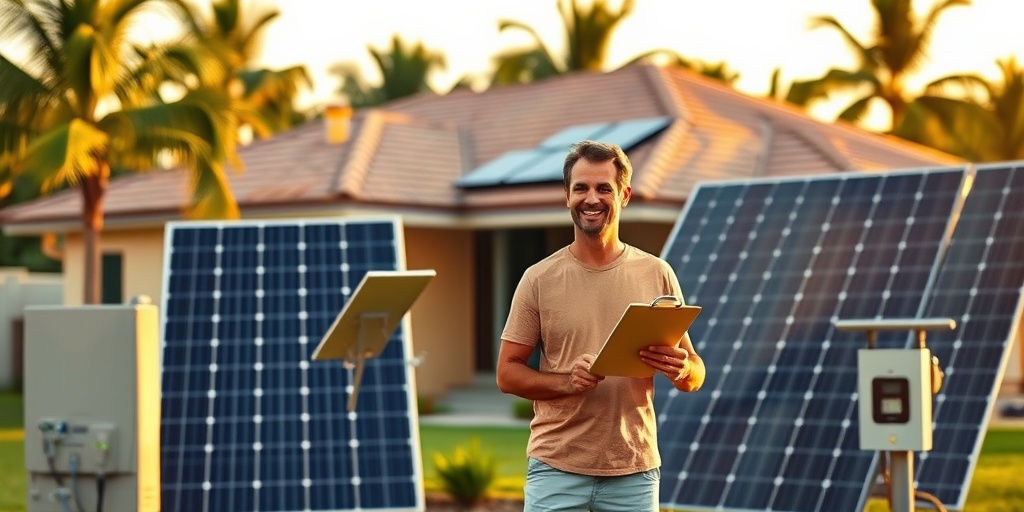
Did you know that Florida ranks second in the United States for solar energy capacity, with an impressive increase in the adoption of solar technologies over the past decade? In 2022 alone, Florida had over 23,000 total installations, covering both residential and commercial sectors, contributing to the state achieving nearly 6,000 megawatts of solar power capacity (SEIA.org). As we step into 2025, Florida homeowners should explore solar incentives by state, not only to harness the abundant sunshine available but also to significantly reduce their utility bills and increase their property value.
The latest data reflects the urgency of transition: energy costs are expected to rise by as much as 20% over the next two years, compounded by supply chain issues exacerbated by global events (Energy.gov). This makes exploring solar incentives not just a smart move but also a necessity. By understanding the various state incentives, rebates, and financing options available, homeowners can navigate the complex landscape of solar energy deployment, ensuring they make the most informed choices. In this article, we will dive deeply into five essential areas of solar incentives for Florida homeowners in 2025:
- A comprehensive look at solar incentives specific to Florida
- Actionable steps to maximize savings through these incentives
- Myths and misconceptions surrounding solar energy debunked
- A detailed comparison of local policies influencing solar energy choices
- A technical understanding of solar power systems installation
Together, we will explore why Florida homeowners should embrace solar solutions, optimizing their investments now more than ever.
Explore the Rich Benefits of Solar Incentives in Florida
A Florida family — the Martinez family — decided to explore solar after witnessing a neighbor reduce their monthly bills drastically. They were astonished to learn that more than 92% of solar installations in their county benefited from state and federal incentives (SolarReviews.com). The Martinez’s journey began with a simple home energy audit, revealing opportunities to save big and contribute to a greener future. This leads us to the first step to exploring solar incentives: understanding what options are available.
- Research Federal Incentives: Homeowners can benefit from the Federal Investment Tax Credit (ITC), which offers a generous 26% tax credit on solar system installations. This incentive is flexible, allowing loans or leases that can be structured in various ways.
- State Rebate Programs: Florida’s government offers the Florida Solar and Energy Loan Fund (FSELF), providing low-interest loans with flexible terms to incentivize solar transitions aligned with Florida’s renewable energy goals.
- Local Utility Incentives: Several Florida utilities have their incentive programs to promote solar energy, including rebates, net metering policies, and innovative energy storage incentives.
- Financing Options: From traditional loans to solar leases and power purchase agreements (PPAs), knowing your financing options is key for effective budgeting.
- Property Tax Exemptions: Installing solar can enhance your home’s market value without increasing your property tax. This allows homeowners to invest without fear of rising taxes.
Checklist for Taking Advantage of Solar Incentives
With the benefits outlined, the Martinez family needed a structured approach to maximize their use of solar incentives effectively. Here’s a comprehensive checklist to guide Florida homeowners as they explore solar energy options:
- Step 1: Audit Your Electric Bill
Start by reviewing your electric bills over the last 12 months. Identify patterns and average charges to understand how much you can save with solar energy. - Step 2: Research Available Incentives
Use resources like the Database of State Incentives for Renewables & Efficiency (DSIRE) to discover federal, state, and local solar incentives. Make sure to tailor your search to Florida-specific programs. - Step 3: Review Solar Financing Options
Consider the various financing routes available. Calculating potential savings with loans, leases, or PPAs can help you make a conscious decision on how to proceed. - Step 4: Find a Reputable Installer
Research local solar installers in Florida. Check online reviews, ask for referrals, and ensure they are licensed and insured, to guarantee a professional installation. - Step 5: Schedule a Site Assessment
Engage an installer to perform a site assessment. They’ll assess roof orientation, shading concerns, and energy production estimates necessary for tailored solutions.
By following this checklist, the Martinez family felt empowered to make informed decisions. As they found a reputable installer, they learned about the common myths surrounding solar energy.
Myth-Busters: Common Misconceptions About Solar Energy
Despite the overwhelming evidence supporting solar energy adoption, many misconceptions deter homeowners from making the switch. Below are some prevalent myths regarding solar incentives in Florida and the truths behind them.
- Myth #1: Solar Energy is Too Expensive
Contrary to this belief, the cost of solar has dropped by about 82% since 2010—making solar energy highly accessible (SEIA.org). With various financing and incentive options, upfront costs can often be offset significantly. - Myth #2: Solar Works Only in Sunny States
While Florida’s sunny disposition is advantageous, solar panels generate electricity even on cloudy days. The efficiency of solar technology captures diffuse sunlight effectively, showcasing its reliability. - Myth #3: You Can’t Sell Your Home With Solar Panels
On the contrary, homes equipped with solar systems can see an increase in property value. In many cases, potential buyers view solar benefits as a desirable feature, leading to quicker sales. - Myth #4: Solar Panels Require Constant Maintenance
Once installed, solar panels require minimal maintenance aside from occasional cleanings and inspections, making them a hassle-free energy solution. - Myth #5: Solar Energy Isn’t Eco-Friendly
The carbon footprint of producing solar panels is counterbalanced by their prolonged lifespan, producing clean energy for years, ultimately reducing overall carbon emissions (NREL.gov).
Florida-Specific Incentives and Policies to Note
Florida’s solar landscape remains dynamic, evolving policy approaches, and incentives that cater specifically to Florida residents. Here is a detailed examination of noteworthy policies and statistics that could influence Florida homeowners considering a solar transition:
- Net Metering: Florida’s net metering program allows homeowners generating solar energy to receive credit for excess energy fed back to the grid. This can effectively lower monthly utility costs and ensure homeowners benefit for energy produced.
- Solar Renewable Energy Certificates (SRECs): These certificates allow homeowners to earn money based on the amount of renewable energy their system generates, further encouraging Florida to transition to solar.
- Community Solar Programs: Some Florida utilities are rolling out community solar options enabling renters or homeowners without suitable roofs to participate in solar energy, effectively broadening access to renewable energy sources.
- Federal Tax Credit: Homeowners qualify for a 26% federal tax credit for solar system installations, which remains available until it is reduced to 22% in 2023. This significant incentive makes investing in solar increasingly affordable.
Engaging in these policies not only offers savings but emphasizes Florida’s commitment to sustainability and energy independence. With this knowledge, the Martinez family took the leap forward, embracing solar solutions with confidence.
Understanding the Technical Aspects of Solar Energy
The Martinez family’s venture was not just about the incentives but understanding the technology behind solar energy as well. Here’s a breakdown of key components involved in solar systems:
- Solar Panels: These are the most visible components, typically composed of photovoltaic (PV) cells that convert sunlight into electricity. Modern panels can achieve over 20% efficiency in power conversion (NREL.gov).
- Inverter: This essential device transforms the direct current (DC) electricity generated by the panels into alternating current (AC), which powers your home. Features such as string inverters or microinverters can optimize energy efficiency.
- Batteries: These systems store excess energy produced during sunny hours for use during non-sunny periods. Having battery storage can improve resilience during power outages and allow for greater energy independence.
- Monitoring Systems: These platforms provide real-time visibility into energy production and consumption. Users can optimize energy efficiency based on usage patterns, leveraging data to further benefit from incentives.
The Martinez family educated themselves about these components, validating their decision to transition and fully understanding the system’s capabilities. The combination of technology and incentives ensured they made a sound investment.
Next Steps for Florida Solar Buyers in 2025
With the Martinez family’s successful transition into solar power, here are actionable next steps for Florida homeowners wishing to embrace solar energy in 2025:
- Step 1: Audit Your Electric Bill
Understanding your average monthly usage will enable you to calculate needed system size for solar energy to cover your demands. - Step 2: Explore Local Incentives
Stay updated with local utility incentives and state programs. These can provide extra financial support, offering affordable options for financing. - Step 3: Choose Quality Equipment
Select reputable brands known for durability and high efficiency. Research warranties and performance guarantees to ensure you are making a reliable purchase. - Step 4: Seek Professional Consultation
Engage experts who can guide you throughout the process and help you navigate through installation and paperwork. - Step 5: Prepare for Installation
Once everything is set, work with the installer to schedule the installation and necessary inspections. Having your roof in prime condition is key!
By following these steps, prospective solar buyers can navigate the process with ease and confidence. Embracing solar technology will enhance your power independence and contribute to a sustainable future.
As we conclude this exploration into why Florida homeowners should explore solar incentives in 2025, it is evident that the future holds a wealth of potential for clean energy transitions. Embracing solar energy is not just about financial savings; it’s about contributing to environmental stewardship and building a better tomorrow for future generations.
Ready to start your solar journey in 2025? Connect with a certified expert at floridaelectricandsolar.com today.
Related Articles
More insights about Solar Incentives

Are Solar Panels Worth It in Florida? (2026 Guide)

How Can Solar Incentives by State Benefit Florida Homeowners

10 Essential Solar Incentives Every Florida Homeowner Should Know
Ready to Go Solar?
Have questions about solar energy? Our experts are here to help you make the switch to clean, renewable energy.