
Why Gulf Coast Residents Should Explore Community Solar Benefits
Share:
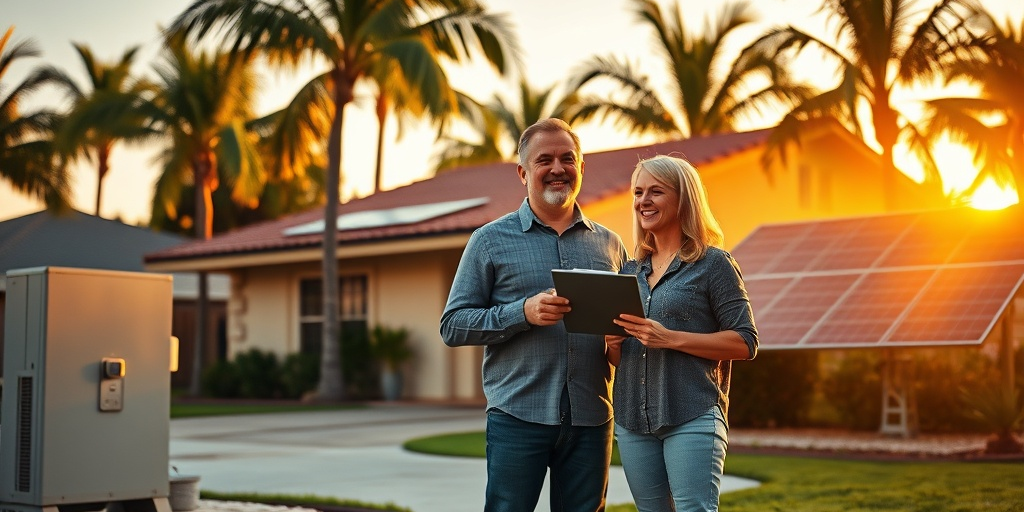
Could a single solar project transform your community and decrease your energy costs? Gulf Coast residents have a unique opportunity to leverage community solar benefits that not only promise significant savings but also foster local energy solutions. Here’s why you should explore these community solar benefits in your area. In 2025, Florida is poised for extensive growth in renewable energy, with new legislation driving incentives that make solar power more accessible than ever (SEIA.org). In fact, recent studies show that solar energy in Florida could generate over 20% of the state’s energy needs by 2030 (SolarReviews.com). This is the ideal moment to invest in solar and be part of a wave of change. In this article titled, “Why Gulf Coast Residents Should Explore Community Solar Benefits,” we’ll dive into compelling case studies, actionable checklists, and myth-busting facts, focusing specifically on the incredible potential for local energy solutions in Florida.
In the following sections, we’ll cover:
- The holistic benefits and real case studies of community solar in Gulf Coast areas.
- A step-by-step checklist for getting involved in community solar projects.
- Myths surrounding solar power, specifically in the context of community solar.
- Florida-specific policies and how they enhance community solar initiatives.
- A technical deep dive into how solar systems operate within community programs.
The urgency surrounding this transition cannot be overstated. The ongoing rise in energy costs and potential grid instability make community solar not just an option, but a necessity for Florida’s homeowners and businesses. Let’s embark on this informative journey together and explore how you can secure your energy future.
Unlocking the Power of Community Solar: A Compelling Case Study
Community solar represents a revolution in energy production, yet its value is best illustrated through real stories. Take the example of Sarah and John, a couple living in coastal Sarasota. They were frustrated by their soaring electricity bills and felt they had no control over their energy costs. When they learned about a local community solar project, they began to explore their options. Through this initiative, they could buy a share of a solar array located just a few miles from their home, enabling them to use clean energy without needing to install panels on their own roof.
For every 100 families that participated in this community solar program, studies showed an average savings of 10-20% on their monthly electricity bills (Energy.gov). Sarah and John decided to jump in, finding that the community solar initiative not only fostered local job creation but also strengthened community bonds through shared goals and values.
What does this mean for Gulf Coast residents? Community solar projects help democratize renewable energy, making it accessible for those who may not qualify for rooftop installations due to expense or property constraints. By pooling resources, communities pool not only their energy capabilities but also their savings. The cumulative benefits of community solar are immense:
- Cost Savings: Community solar often leads to reduced energy bills.
- Access to Renewable Energy: Everyone, including renters and homeowners with shaded roofs, can participate.
- Increased Local Investment: Funds stay within the community, promoting economic development.
Before committing, residents should consider some steps:
- Assess Your Options: Research local solar programs and initiatives.
- Understand the Costs: Be aware of any upfront costs or subscription fees.
- Follow the Savings: Check how much you can potentially save based on your current electricity usage.
Engaging in community solar programs is not just about savings; it’s about advocating for a sustainable future together. The stories don’t just end with Sarah and John—gulf coast towns across Florida are working on similar projects every day. Let’s proceed to a more structured analysis of how you can participate in community solar initiatives.
Create Your Path: The Ultimate Checklist for Community Solar Participation
Participating in a community solar project is easier than you might think. By following this streamlined approach, you too can be part of the solution while saving money. Here’s a practical checklist to help guide you through the process:
- Step 1: Audit Your Electric Bill: Review your monthly energy consumption and costs to determine potential savings.
- Step 2: Research Local Community Solar Programs: Search for established projects in your area. Websites like floridaelectricandsolar.com can provide insights.
- Step 3: Connect with Local Solar Companies: Reach out to companies that offer community solar in Gulf Coast areas; understand their offerings and any obligations involved.
- Step 4: Evaluate Contracts: Carefully read all terms and conditions; ensure there are no hidden fees.
- Step 5: Sign Up and Monitor Your Savings: Once enrolled, keep track of your energy bills for the first few months to measure savings accurately.
Following this checklist minimizes friction and maximizes engagement, ensuring that Florida homeowners and renters can effortlessly navigate their way into the solar community. Remember, the earlier you start, the sooner you can begin to enjoy the advantages of reduced bills and a cleaner energy future. Now, let’s dispel some misconceptions surrounding community solar that may be holding many homeowners back.
Myth-Busting: Debunking Common Misconceptions About Community Solar
Despite the increasing popularity of community solar, various myths hinder its acceptance. Here are the top five misconceptions debunked:
- Myth #1: Community Solar is Only for Rich People. In reality, community solar initiatives are designed to be accessible for all. Most programs are structured to allow various income levels to participate and often come with significant subsidies (SEIA.org).
- Myth #2: I Can’t Join Without a Suitable Roof. Many people believe that they need to have a roof with optimal sun exposure to benefit from solar power. Community solar allows individuals without suitable roofs to still take part.
- Myth #3: Community Solar Projects are Not Reliable. While it’s true that not all community projects are created equal, most reputable installations are built to high standards of safety and effectiveness, often benefiting from government oversight.
- Myth #4: I Will Lose Control Over My Energy Costs. Participating in community solar still allows you to manage your energy consumption effectively; bills will reflect your reduced usage while participating in the program.
- Myth #5: It Doesn’t Matter Where the Solar Farm Is Located. The location does affect energy transmission rates and accessibility, which is why understanding nearby community projects is crucial (Energy.gov).
By addressing these myths, we empower more Florida residents to consider community solar as a viable, beneficial option for their energy needs. Next, let’s look closely at how Florida’s unique regulations incentivize solar initiatives for all residents.
Florida’s Renewable Energy Landscape: A Local Focus on Incentives and Legislation
As Gulf Coast residents consider community solar, understanding Florida’s legislative environment helps solidify the potential for solar energy growth. Florida has enacted several vital laws and policies that encourage solar investments, paving the way for community solar projects.
- Florida’s Renewable Portfolio Standard: This policy mandates that utilities include renewable energy, incentivizing community solar projects and investment in clean energy infrastructure.
- Property Assessed Clean Energy (PACE) Financing: Homeowners can secure funding for solar systems through a PACE program, which allows them to pay back the cost through property assessments.
- Net Metering: While primarily for rooftop systems, net metering regulations can supplement community solar efforts, allowing residents to receive credits for excess energy produced.
- Local Initiatives: Many cities along the Gulf Coast have developed their own programs aimed at promoting community solar projects, integrating them into broader sustainability goals.
These legislative advantages empower Floridians to pursue community solar initiatives actively. As homeowners and businesses team up with solar companies across the state, they not only enhance their local economies but also contribute to a sustainable energy future. Our exploration now moves to a technical deep dive into how these community solar systems operate and what technology supports them.
Understanding Solar Technology: The Mechanics Behind Community Solar Systems
Community solar programs rely on robust technologies that optimize energy production and distribution. Here’s a detailed breakdown of the key components:
- Solar Panels: High-efficiency photovoltaic (PV) panels convert sunlight into electricity, producing clean energy for the community. These panels typically have a lifespan of 25 years and offer reliable performance warranties.
- Inverters: Inverters convert DC electricity generated by solar panels into AC electricity, making it usable for homes and businesses. Advanced inverters can track the energy production of individual panels, optimizing overall output.
- Battery Storage: Some community solar projects incorporate battery storage systems, allowing for energy to be stored and used during peak demand hours, enhancing reliability.
- Billing Software: Innovative platforms facilitate transparent billing practices, giving residents visibility into their production and savings, streamlining the community solar experience.
As technology continues to advance and costs decrease, community solar systems are becoming more efficient and easier to manage. Florida’s focus on renewable energy cultivation alongside a rapidly evolving tech landscape makes community solar more feasible than ever. As you consider your next steps toward investing in solar energy, we’re wrapping up with a practical action plan tailored just for you.
Next Steps for Florida Solar Buyers in 2025
As we close out our exploration of community solar benefits, let’s construct a clear roadmap for you to follow as you explore these initiatives. Taking decisive action today can lead to tangible benefits for your energy budget and pave the way for a greener future.
- Step 1: Educate Yourself: Make sure you understand the basics of solar energy and how community solar works. Utilize resources from floridaelectricandsolar.com to get unbiased information.
- Step 2: Engage Your Community: Discuss the idea of community solar in local forums or town hall meetings; garner support and initiate collaborative efforts.
- Step 3: Connect with Experts: Build relationships with local solar companies that support community solar projects to facilitate your journey.
- Step 4: Monitor Local Legislation: Stay updated on relevant policies and advocacy efforts that may influence the future of solar energy in your area.
- Step 5: Sign Up: Once you find a community solar project that suits your needs, don’t hesitate—take the leap and enroll!
The path to solar energy may seem daunting, but by following these steps, you can confidently navigate your way toward joining the community solar movement. The tangible benefits of community solar are here and ready for you to claim. In a world where energy costs continue to rise, every bit of savings counts, and every effort toward sustainable living matters.
In summary, the journey into community solar offers an array of benefits: lower energy bills, enhanced local cooperation, and sustainability as key priorities. The need for collective action in energy production is urgent, and Florida is uniquely positioned to lead this charge into a cleaner future. Ready to start your solar journey in 2025? Connect with a certified expert at floridaelectricandsolar.com today.
Related Articles
More insights about Community Solar

Florida Residents: 5 Reasons to Consider Community Solar Benefits

South Florida Community Solar Benefits: What Residents Should Know

Beginner’s Guide to Understanding Community Solar Benefits
Ready to Go Solar?
Have questions about solar energy? Our experts are here to help you make the switch to clean, renewable energy.