
7 Steps for Successful Solar Panel Installation in Florida
Share:
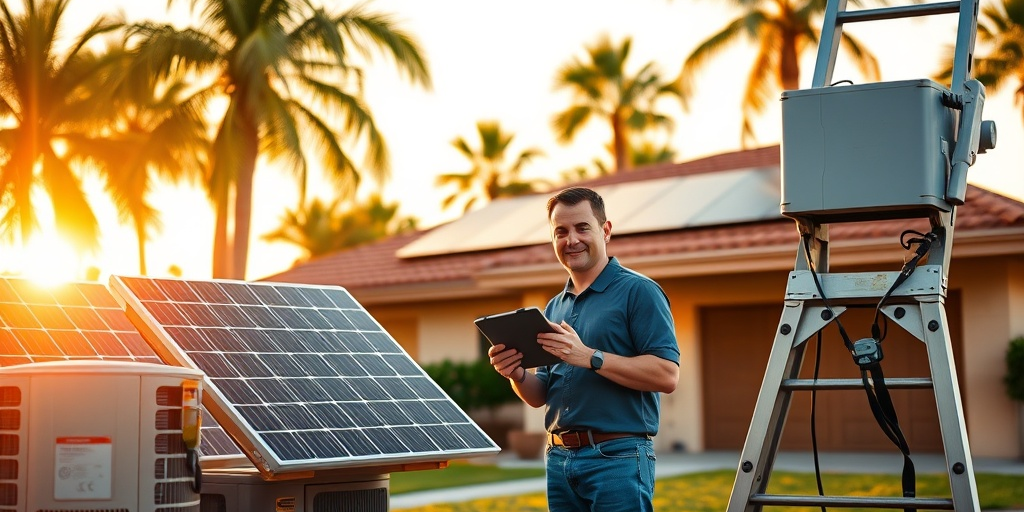
In the sun-drenched state of Florida, the transition to solar energy is not just a trend; it’s a necessity. With electricity prices rising an average of 3% each year, homeowners are increasingly feeling the pinch on their utility bills. In fact, the Solar Energy Industries Association reports that solar energy has grown by over 20% annually in Florida, confirming that more residents are taking advantage of the sunshine to cut costs (SEIA.org). But understanding how to navigate the solar panel installation process can be daunting, especially for newcomers to solar technology. This guide, titled 7 Steps for Successful Solar Panel Installation in Florida, breaks down this complex process into manageable steps. As we approach 2025, new federal incentives for solar energy make this the perfect time to switch, reducing both energy costs and your carbon footprint.
In this article, we’ll explore the crucial steps to ensure you have a successful solar panel installation, touching on real-life experiences, factual checklists, and the science behind it all. Here’s what you can expect:
- Step 1: A detailed case study illustrating the process.
- Step 2: A convenient checklist for homeowners.
- Step 3: Myths about solar energy debunked.
- Step 4: A focus on Florida-specific regulations and incentives.
- Step 5: A technical deep dive into solar technology and financial considerations.
By the end of this article, you’ll have a wealth of knowledge to help you embark on your solar journey confidently in 2025.
Step 1: A Case Study of a Florida Homeowner’s Solar Journey
Meet Sarah and John, a couple living in Palm Beach who were struggling with their ever-increasing utility bills. Like many Florida homeowners, they were motivated to find a sustainable solution without sacrificing their family’s comfort. After researching solar options, they decided to go solar and embarked on the installation journey that would dramatically transform their lives.
After contacting Florida Electric & Solar, they started with a consultation, where a solar specialist evaluated their home’s energy needs and the roof’s suitability for solar panels. They learned that not all roofs are created equal; factors such as the roof’s age, orientation, and shading from trees are crucial in determining the effectiveness of solar installations.
- Step 1: Schedule an initial consultation with a solar professional. Assess your roof’s solar potential and understand energy consumption.
- Step 2: Conduct a thorough energy audit. Sarah and John learned they could save an additional 15% on their energy bills by improving home insulation before installing solar panels.
- Step 3: Design the solar system tailored to their home. This process involved choosing between different types of solar panels (monocrystalline vs. polycrystalline) and deciding if they needed battery storage for evening use.
Soon after, Sarah and John received their proposal with an expected savings of $20,000 over the lifespan of their solar panels, alongside federal tax credits and local rebates. After thoroughly reviewing the financial benefits, they decided to proceed with the installation.
Actual installation took six weeks—from permit applications to final inspections. A local Florida-based installation team ensured everything was performed efficiently and according to local regulations.
Through this case study, Sarah and John’s journey emphasizes the importance of expert guidance when navigating solar energy options. In addition, Florida homeowners, through rebates and tax credits, have the potential to save significantly on installation costs and realize faster returns on investment, with solar energy systems often recouping costs in as little as five years (Energy.gov).
As we’ve seen through this case study, understanding the installation process is only the beginning. A successful transition to solar requires careful planning, factual assessment, and trust in local solar experts who understand Florida’s unique energy landscape. Let’s move forward with our checklist of essential steps to ensure your solar installation is a success.
Step 2: Your Essential Checklist for Solar Installation
To streamline your solar installation process in Florida, it’s crucial to have a structured approach. Below is a checklist to guide Florida homeowners through every vital step.
- Audit Your Energy Needs: Determine your current energy consumption. Review your electric bills from the past year to identify usage patterns. This information will guide the size and type of solar system you need.
- Research Solar Options: Understand the different types of solar panels available. Monocrystalline panels are more efficient and take up less space, while polycrystalline panels may be less expensive but require more roof space. Consult with a trusted installer like floridaelectricandsolar.com for recommendations based on your home.
- Check for Local Incentives: Look into available rebates and tax incentives in Florida. As of 2025, homeowners can benefit from the Federal Solar Investment Tax Credit, which can significantly reduce installation costs (SEIA.org).
- Choose a Qualified Installer: Select a solar installation company with experience and a good reputation in Florida. Ensure the company is licensed, insured, and dedicated to customer education.
- Finalize Financing Options: Determine how you will finance the system. Options include purchasing outright, solar loans, or leasing. Each option has different implications on savings and ownership, so evaluate carefully.
Following this checklist will give you a robust foundation for your transition to solar energy. Remember, the more information you gather upfront, the better position you’ll be in to maximize savings and efficiency. Now let’s tackle some common myths surrounding solar energy that might sway your decision.
Step 3: Myth-Busting Solar Energy Misconceptions
Despite the many benefits of solar power, misconceptions flourished, often deterring potential users. Let’s debunk some myths surrounding solar energy for Florida homeowners.
- Myth #1: Solar Energy is Only for Hot Weather: While Florida’s sunny climate is perfect for solar, solar systems can still produce energy on cloudy days. Their performance may dip, but they are not exclusively dependent on direct sunlight.
- Myth #2: Installation is Too Expensive: Many think solar panels are outside their financial reach. However, with available federal tax credits and regional incentives, upfront costs can be significantly reduced (NREL.gov).
- Myth #3: Solar Panels Require Massive Roof Space: New technologies have increased the efficiency of solar panels, allowing for power generation in smaller areas. Even if you don’t have ideal real estate for installation, options like solar carports or community solar farms might be available.
- Myth #4: Solar is Not Efficient in Florida: This is simply false. Florida is one of the top states for solar energy utilization, benefiting from the state’s abundant sunshine, making it an excellent choice for homeowners seeking to cut energy costs.
- Myth #5: You Need Battery Storage: While battery systems can help you maximize your savings and provide backup during outages, they are not required for all solar systems. Many homeowners choose grid-tied systems, which allow users to draw energy from the grid when the sun isn’t shining.
Debunking these myths is crucial for making informed decisions about going solar. With an open mind, you can explore the many advantages solar energy offers, particularly in Florida. As we progress through this article, let’s now turn our attention to the specific incentives and regulations that impact solar energy in the Sunshine State.
Step 4: Understanding Florida’s Solar Incentives and Local Considerations
Florida boasts a range of incentives and regulations that make solar installation appealing for residents. Understanding these can only enhance your solar energy experience. Here’s an overview of key points:
- Net Metering: Florida homeowners can benefit from net metering, which allows those with solar panels to sell back excess energy to the grid. This means you can offset your electric bills with credits from energy produced on sunny days.
- Federal Tax Credit: The federal solar investment tax credit (ITC) allows you to deduct 26% of your solar panel system’s cost from your federal taxes. This incentive encourages investment in solar technology and is set to step down in the upcoming years, making action in 2025 a smart choice (SEIA.org).
- State Solar Rebates: Currently, Florida does not have a statewide rebate program. However, many local utilities offer rebates for solar system installations. Check with your local utility provider for specific programs (SolarReviews.com).
- Property Tax Exemption: Installing solar panels does not increase the appraised value of your home for property tax purposes. This exemption helps homeowners invest in solar without worrying about higher tax bills.
These incentives make solar an increasingly feasible option for homeowners in Florida. However, deadlines and specifications can change, so it’s vital to stay informed of the latest programs and consult with a local expert to maximize your benefits.
Step 5: The Technical Deep-Dive Into Solar Panel Systems
Understanding the technical aspects of your solar panel system is essential to maximizing its efficiency and lifespan. This section will delve into the components of a solar energy system to help you better grasp how it operates.
- Solar Panels: Typically made of silicon, solar panels convert sunlight into electricity. They measure output in watts, so consider your energy needs when choosing which panels to install. Higher efficiency panels may yield more energy even from a smaller footprint, which is ideal for homes with limited roof space.
- Inverters: Inverters convert the DC electricity produced by solar panels into AC electricity, which is used in homes. Ensure you choose a quality inverter to improve efficiency, as this component can significantly affect your overall system performance.
- Battery Storage: Battery storage is an optional but crucial aspect for homeowners who wish to store excess energy for later use. This feature not only maximizes energy consumption but also increases energy independence in the event of outages.
- Monitoring Systems: Many systems now include monitoring tools that allow homeowners to track energy production and usage in real-time. Staying informed helps you quickly identify inefficiencies and adjust as necessary.
- Maintenance Considerations: While solar panels require minimal maintenance, ensuring they are kept clean and unobstructed is vital for optimal performance. Regular inspections can also help extend the lifespan of your system.
Through a better understanding of these components, you’ll be well-equipped to discuss installation and maintenance with your chosen solar technician. As you prepare for a potential investment in solar energy, these insights will help ensure your solar panel system works efficiently and effectively, providing long-term savings and energy independence.
Next Steps for Florida Solar Buyers in 2025
As you venture into the world of solar energy, follow this actionable checklist to make the transition smooth and rewarding:
- Audit Your Electric Bill: Review your annual electric bills to understand usage patterns. This will give you a base from which to determine the right size of your solar system.
- Research and Compare Offers: Explore multiple solar installation companies to find the best service, price, and warranties. Pay attention to customer reviews and experiences.
- Evaluate Financing: Determine how you plan to fund your installation. Consider options such as solar loans, leases, or cash purchases to see what fits your budget.
- Review Incentives: Take the time to understand local and federal incentives available to you, ensuring you maximize savings. This includes the ITC and local utility rebates.
- Schedule Installations: Once you’ve selected an installer and finalized the details, set a date for installation. Ensure everything is prepared to facilitate a quick and efficient installation process.
Following these steps will ensure you are well-prepared to transition to a more sustainable energy source while maximizing savings. Transitioning to solar energy is not just a personal financial decision; it’s a step toward a sustainable future that benefits everyone.
Conclusion
Embarking on a solar energy journey is both an exciting and daunting task, especially for Florida homeowners. As we’ve discussed throughout this guide, understanding the installation process can relieve many worries, allowing you to focus on the long-term benefits of your investment. From evaluating energy needs and debunking myths to understanding local incentives, each step is an essential piece of the puzzle.
Your transition to solar energy in 2025 could yield substantial savings, energy independence, and a reduced carbon footprint for you and your family. As energy costs rise and sustainability becomes increasingly important, investing in solar energy is a crucial decision for your home and the environment.
Ready to start your solar journey in 2025? Connect with a certified expert at floridaelectricandsolar.com today.
Related Articles
More insights about Solar Panel

Florida Homeowners: Why Solar Panel Maintenance Is Essential

7 Essential Steps for Solar Panel Installation Success

Expert Insights: Key Factors Influencing Solar Panel Lifespan
Ready to Go Solar?
Have questions about solar energy? Our experts are here to help you make the switch to clean, renewable energy.