
10 Steps to Maximize Your Solar Panel Lifespan
Share:
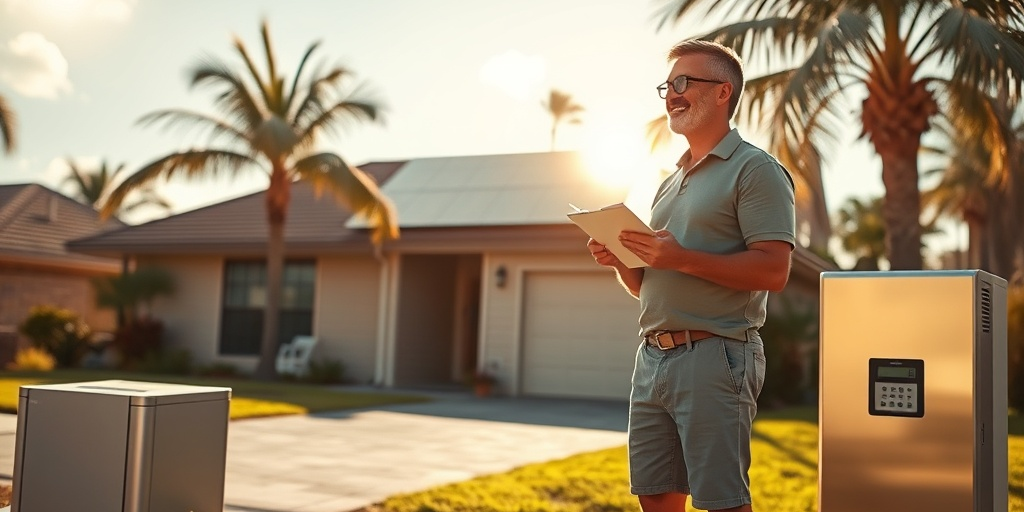
Solar energy has transformed from a luxury to a necessity for many Floridians. Did you know that the cost of solar panel installation has dropped by nearly 89% since 2009, making it more accessible than ever? Furthermore, the average Florida homeowner can save thousands on utility bills over the lifespan of their solar system (SEIA.org). If you’re considering solar, understanding how to protect your investment is crucial, especially with rising energy costs and grid instability projected for 2025. In light of this, we bring you the article, 10 Steps to Maximize Your Solar Panel Lifespan. This topic holds urgency as solar technology continues to evolve, and homeowners are equipped with new incentives that could amplify the benefits of going solar. In this comprehensive guide, we will delve into five key sections that cover essential steps to enhance your solar panel’s efficiency, longevity, maintenance tips, common myths to debunk, personalized strategies specific to Florida residents, and a technical deep-dive into future innovations. Let’s illuminate the path to maximizing your solar panel lifespan and optimizing your solar investment!
Understanding What Maximizes Solar Panel Lifespan
As the sun blazes down on the Sunshine State, solar panels catch that light and convert it into usable energy. However, just like any investment, the longevity of your solar panels depends on how well you maintain them. A case study from a homeowner in Ormond Beach highlights this perfectly. After installing solar panels, they noticed a significant drop in their electric bills, but the shine of that financial success dulled due to a lack of maintenance. A few storms and the subsequent debris clogged the panels to such an extent that their efficiency dropped, leading them to spend money on repairs rather than savings. This highlights the first essential factor: regular maintenance. With Florida’s weather patterns, including hurricanes and torrential rains, understanding your local environment and how it affects your solar system directly ties back to the steps laid out below.
- Step 1: Regular Cleaning—Dirt, grime, and dust can significantly impact solar performance. Aim to wash your panels at least twice a year. However, if you live near the coast or in areas with high pollen levels, consider monthly checks for debris.
- Step 2: Monitor Performance—Use solar monitoring systems to track the energy production of your panels. These systems can alert you to any significant drops in production that may indicate issues.
- Step 3: Hire Professional Inspections—Once a year, hire a professional to inspect your entire solar system, including wiring and railings, for any signs of wear and tear or corrosion.
- Step 4: Check for Overhanging Trees—Trim any trees or foliage that may shade your solar panels and interfere with their efficiency. Sunlight obstruction can decrease production by up to 80% (Energy.gov).
- Step 5: Stay Informed about Technology Upgrades—Solar technology is continually evolving. Staying informed about upgrades not only keeps your systems running better but may also present opportunities for energy savings.
These five straightforward steps can help amplify the effectiveness and lifespan of your solar panels, ensuring that they serve you and your family for years to come.
Common Myths Surrounding Solar Panel Maintenance
Despite the growing popularity of solar energy, many misconceptions still cloud the minds of potential solar panel owners. Let’s debunk some of these common myths.
- Myth #1: Solar Panels Don’t Work on Cloudy Days—While solar panels are most efficient in direct sunlight, they can still generate energy on overcast days. In fact, panels can capture scattered sunlight more effectively than you might think!
- Myth #2: Solar Panels Need to Be Replaced Every Few Years—Quality solar panels come with warranties ranging from 25 to 30 years. With proper care and maintenance, many panels continue to perform well beyond that (SolarReviews.com).
- Myth #3: All Solar Easements are the Same—Each installation is unique. Florida homeowners should research local regulations regarding solar installations and reach out to local solar providers to navigate property easements correctly.
- Myth #4: Solar Systems Are Too Expensive—While initial costs may seem high, the long-term savings through reduced utility bills far exceed upfront investments, especially with available tax credits and rebates from the state (SEIA.org).
- Myth #5: You Don’t Need a Battery Backup in Florida—With potential natural disasters like hurricanes, having a battery backup can protect your investment and ensure you have power even during an outage.
With these myths debunked, you can see that many concerns about solar energy stem from a lack of understanding. Empowering yourself with knowledge is the first step in making a well-informed decision.
Adapting to Florida: Tailored Solar Strategies for Maximized Lifespan
In Florida, sun exposure is abundant, making it a prime candidate for solar energy adoption. However, the unique tropical climate also brings specific challenges for solar panel longevity. Here are several tailored steps for Florida homeowners.
- Mitigate Salt Damage—For homeowners located near the coast, salt and mist can accumulate on solar panels, leading to potential corrosion. Use corrosion-resistant materials in panel installation and clean your panels frequently to avoid deterioration.
- Wind Resistance Strategies—Given Florida’s hurricane-prone nature, ensuring that your solar panels are installed securely and wind-resistant is vital. Consult local experts to choose the best mounting solutions.
- Use Weather-Proof Components—Implementing weatherproof inverters and junction boxes can significantly reduce wear and damage from heavy rain or flooding.
Research conducted by weather analysts reveals that well-maintained solar panels in Florida can produce over 80% of their energy potential, maximizing savings (NREL.gov). You’ll want to tailor your approach considering these local strategies to keep your solar power system running efficiently.
5 Essential Tips to Optimize Your Solar Installation for 2025
As 2025 approaches, it stands to reason that optimizing your solar system for efficiency and longevity is vital. Below are expert tips that reflect industry standards and innovations for the coming years.
- Conduct a Regular Efficiency Audit—Before installation, understand your energy usage and conduct an efficiency audit on your home. This can help determine the size and type of system you need.
- Prioritize Quality Over Cost—It’s tempting to choose lower-cost panel options, but investing in higher-quality products often leads to better efficiency and fewer headaches down the line.
- Monitor Incentives and Rebates—In Florida, various programs exist to incentivize solar installations. Keeping track of these offers can significantly affect cost savings.
- Integrate Smart Home Technology—Smart systems that manage energy consumption can interconnect with your solar system to balance loads during peak usage times, optimizing performance.
- Network with Neighboring Solar Owners—Establishing communications with others already using solar will give you access to shared insights and tips, improving your knowledge of maintaining your system.
These essential tips position you for long-term security and maximum savings as you navigate the solar landscape heading into 2025.
Your Next Steps Towards a Sustainable Future with Solar
Transitioning to solar energy can be a seamless process if you take it step-by-step. Here’s a practical action plan tailored for Florida homeowners.
- Step 1: Audit Your Electric Bill—Understanding your current energy consumption will enable you to size your solar system properly. Collect at least one year of electric bills for a complete picture.
- Step 2: Find Local Solar Providers—Research and compile a shortlist of local solar companies that offer installation services in your area. Websites like floridaelectricandsolar.com can provide information about the most suitable options.
- Step 3: Schedule a Consultation—Meet with solar experts to evaluate the specific requirements for your property and discuss different package deals.
- Step 4: Make Informed Choices—Compare the offerings, reviews, and credentials of different solar providers. Pay attention to warranties and service agreements.
- Step 5: Monitor and Maintain—Once installed, continue with the maintenance schedules discussed above and stay informed on performance to ensure you maximize your investment.
This comprehensive action plan can deliver a seamless transition toward solar energy, designed to capitalize on the sun’s power while ushering in significant savings.
Conclusion
Throughout this extensive guide, we have explored 10 Steps to Maximize Your Solar Panel Lifespan, focusing on actionable strategies built upon personal experiences, expert insights, and essential industry data. From regular maintenance checks to understanding the unique Florida environment, these steps will empower you to maximize your solar power savings and longevity. Your decision to embrace solar energy is not just about saving money; it’s about ensuring a sustainable future for you and your family in the coming years. As energy prices rise and incentives fluctuate, taking control of your energy future has never been more crucial.
Ready to start your solar journey in 2025? Connect with a certified expert at floridaelectricandsolar.com today.
Related Articles
More insights about Solar Panel

Florida Homeowners: Why Solar Panel Maintenance Is Essential

7 Essential Steps for Solar Panel Installation Success

Expert Insights: Key Factors Influencing Solar Panel Lifespan
Ready to Go Solar?
Have questions about solar energy? Our experts are here to help you make the switch to clean, renewable energy.