
Warning: Don’t Miss Out on These Solar Panel Installation Benefits
Share:
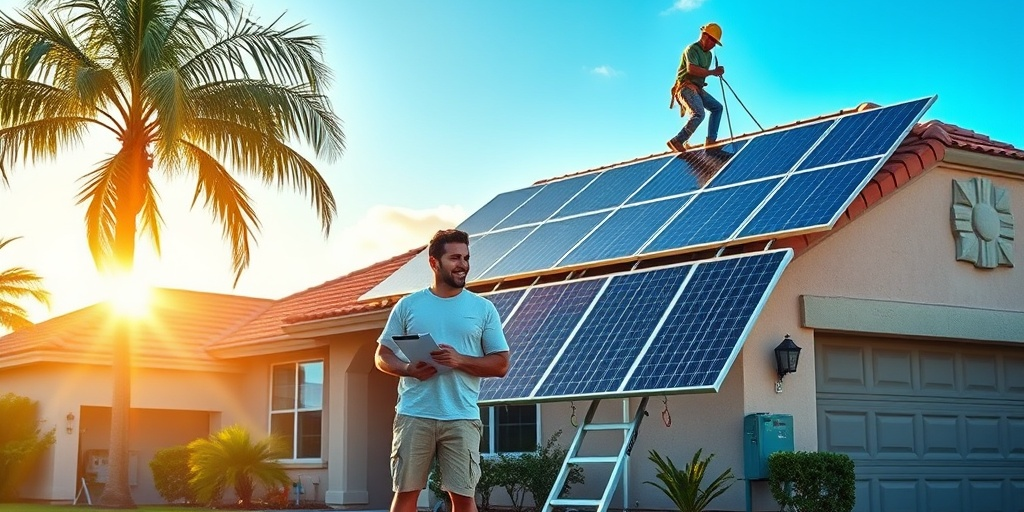
Did you know that residents in Florida could save over $20,000 on energy costs simply by switching to solar power? A recent study revealed that nearly 70% of homeowners in the Sunshine State are considering solar energy as a key strategy to combat rising utility rates (SolarReviews.com). With escalating energy prices and increasingly unstable grid systems, there has never been a more urgent moment to consider the transition to solar energy than in 2025. This is particularly crucial for you, whether you’re a homeowner or a commercial property owner, looking to enhance your savings and energy efficiency. In our blog post titled Warning: Don’t Miss Out on These Solar Panel Installation Benefits, we will explore why now is the time to act, sharing vital insights, case studies, and actionable steps. We’ll cover the following five sections: first, an in-depth look at a Florida homeowner’s solar journey and the tangible benefits they experienced; second, a checklist to prepare you for your solar installation; third, we’ll debunk common myths that could be holding you back; fourth, we’ll focus on local advantages specific to Florida; and finally, we will provide a technical deep dive into the components of solar systems that can further boost your savings.
The Transformative Power of Solar Panel Installation
Meet Emily, a dedicated nurse and mother of two living in Orlando, Florida. A few years ago, Emily was stressed about skyrocketing electric bills that seemed to climb every month without fail. “It felt like I was working just to pay off the electric company,” she recalls. After hearing about solar energy from a friend and doing some research, she decided to take the plunge and invest in solar panel installation.
Fast forward to today, Emily has slashed her electricity bills by up to 70%, thanks to her solar energy system. Additionally, she has gained energy independence, allowing her to power her home even during outages. Her experience is no anomaly—Florida is an ideal location for solar energy. In fact, Florida currently ranks number three in the U.S. for solar energy production, trailing only California and Texas (SEIA.org).
As we dive deeper, it’s essential to recognize the urgent implications of going solar in 2025. The potential benefits are not just financial; they stretch into areas of environmental advocacy and energy independence. According to the Florida Public Service Commission, the state is expected to implement new solar incentives in the coming year, making now the perfect time to capitalize on this opportunity (Energy.gov).
This section will explore not only the financial reasons for making the switch to solar energy but also the broader implications: how solar power can positively impact your lifestyle and the environment.
- Case Study: Emily’s Success with Solar Energy—We’ll take a closer look at Emily’s journey and transformation.
- Checklist for Going Solar—A practical guide to prepare homeowners for solar installation.
- Myth-Buster: Debunking Common Misconceptions—We’ll unravel the truth behind common myths surrounding solar energy.
- Local Focus: Florida’s Unique Advantages—How geographical and policy aspects favor Florida homeowners.
- Technical Deep-Dive: Understanding Solar Systems—An analysis of the essential components of solar technology.
With an understanding of the broader implications of solar energy, let’s transition into a detailed checklist that will empower you to make informed choices.
Your Step-by-Step Checklist for Solar Installation
Making the switch to solar energy requires planning and careful consideration. Here’s a streamlined checklist that will bring you one step closer to achieving energy independence and maximizing your savings.
- Step 1: Audit Your Electric Bill – Before diving in, it’s vital to understand your current energy consumption. Check your electric bills for usage patterns, peak times, and costs. This information will guide you in choosing an appropriately sized solar system.
- Step 2: Research Solar Options – Explore the various types of solar panels, inverters, and battery storage options available. Each component plays a critical role in the overall efficiency of the system.
- Step 3: Evaluate Financing Options – There are multiple ways to pay for solar installations, from cash purchases to loans and leases. Investigate available incentives like the federal solar tax credit and any local rebates specific to Florida.
- Step 4: Choose a Trusted Installer – Not all solar companies are created equal. Look for companies with positive reviews, local experience, and good warranties. Check the credentials of the installers to ensure they are certified and knowledgeable.
- Step 5: Stay Engaged Post-Installation – Once installed, monitor your solar power generation and savings. This will keep you informed and help you maximize the benefits of your system.
The time to act is now. By following this checklist, you can prepare effectively for your transition to solar energy. floridaelectricandsolar.com offers additional resources to help you feel confident about your decision.
Myths That Could Hold You Back from Going Solar
There are a multitude of misconceptions about solar energy that can mislead prospective users. Debunking these myths is crucial for empowering homeowners to move forward with confidence.
- Myth #1: Solar Panels Are Too Expensive – While the initial investment may seem steep, the long-term savings due to reduced utility bills and tax incentives usually outweigh the costs significantly.
- Myth #2: Solar Energy Isn’t Effective on Cloudy Days – Contrary to popular belief, solar panels can still generate electricity even on overcast days. Modern panels have improved efficiency, enabling them to capture sunlight in various conditions.
- Myth #3: Solar Energy is Not Environmentally Friendly – Solar energy production contributes to a significant reduction in greenhouse gas emissions compared to conventional fossil fuels, making it a clean energy source.
- Myth #4: Solar Panels Require Constant Maintenance – Most solar systems are low-maintenance. Regular cleaning and occasional professional check-ups will suffice. Plus, many companies offer warranties that cover maintenance.
- Myth #5: All Roofs Are Ideal for Solar Panels – While not every roof is suitable, various mounting options exist. Factors like roof angle and shading can be evaluated by your installer.
By shattering these myths, we hope to empower you to make informed and confident decisions moving forward with your solar journey.
The Florida Advantage: Why Going Solar Here Matters
Florida is known as the Sunshine State for a reason; it enjoys one of the highest solar potentials in the country. But what does that mean for you, the homeowner? Let’s analyze the unique benefits that Florida offers for solar energy users.
- Incentives and Tax Credits – Florida provides valuable solar tax credits and incentives, making the switch economically feasible. Homeowners can leverage a federal tax credit of up to 26% of the system’s cost in 2022, which is set to decrease afterward (SEIA.org).
- Net Metering – This policy allows you to receive credits for excess energy generated by your solar panels that goes back to the grid. Your electric meter effectively runs backward when your solar system produces more energy than you consume, further reducing your utility costs.
- Job Growth in the Solar Sector – The increase in solar installations across the state has expanded job opportunities in the solar industry, fostering local economic growth and offering support for Florida families.
- Reduced Energy Bills – Florida homeowners can see immediate savings on their monthly bills, leading to thousands of dollars saved in the long run. Many homeowners experience a 30–50% reduction in energy costs (Energy.gov).
With distinctive advantages, the Sunshine State provides a compelling case for residents to consider making the switch.
The Technical Deep Dive: Analyzing Solar Components
As you contemplate solar energy, gaining insight into the technical components can empower you to make informed decisions regarding your system’s configuration and operation.
- Solar Panels – Capacities typically range from 250W to 400W per panel, with the number of panels needed determined by your energy consumption and available roof space.
- Inverters – These devices convert the direct current (DC) generated by solar panels into alternating current (AC) for your household use. Central inverters and microinverters each have benefits depending on your installation.
- Battery Storage – For homeowners considering energy independence, solar batteries capture excess energy, allowing you to store power for evening use or during outages.
- Monitoring Systems – With modern technology, you can track your system’s performance in real-time through mobile apps or web portals. This empowers you to maximize efficiency and stay informed about energy production.
Understanding these components will help you assess what system configuration works best for your needs while maximizing potential savings. As the solar industry continues to evolve, innovation guarantees even greater energy efficiency.
Next Steps for Florida Solar Buyers in 2025
Now that you are equipped with vital information, let’s outline a clear action plan for your solar journey in 2025.
- Step 1: Conduct Preliminary Research – Start by familiarizing yourself with solar technology and market trends. Follow local news and credible sources for updates on incentives and policies that impact Florida homeowners.
- Step 2: Request Quotes from Installers – Contact several solar companies for quotes, inquiring about their experience, warranties, and financing options. Review your quotes comprehensively to ensure accurate comparisons.
- Step 3: Get Pre-Approved Financing – Before making a final decision, check your financing options. Many companies offer pre-approval processes to help streamline the installation.
- Step 4: Schedule an Installation – Once you’ve selected the right installer, coordinate installation dates that fit your schedule, ensuring you’re engaged throughout the process.
- Step 5: Monitor Your System – After installation, keep an eye on your system’s performance. Regular monitoring will help pinpoint issues early and maximize efficiency.
With these steps in mind, you can streamline the transition to renewable energy, reaping the benefits for years to come. For further assistance or to explore your options, visit floridaelectricandsolar.com.
Conclusion
In conclusion, going solar in 2025 presents unparalleled advantages for Florida homeowners and commercial property owners alike. By investing in solar energy, not only will you save money and reduce your carbon footprint, but you’ll also contribute to a sustainable future. Adaptability and urgency are key as you consider this transformative move. Please remember Emily’s story as a testament to what is possible, and take action before it’s too late. The landscape of energy in Florida is evolving, and the resources you need are readily available.
Ready to start your solar journey in 2025? Connect with a certified expert at floridaelectricandsolar.com today.
Related Articles
More insights about Solar Panel

Florida Homeowners: Why Solar Panel Maintenance Is Essential

7 Essential Steps for Solar Panel Installation Success

Expert Insights: Key Factors Influencing Solar Panel Lifespan
Ready to Go Solar?
Have questions about solar energy? Our experts are here to help you make the switch to clean, renewable energy.