
What You Should Know About Solar Panel Installation Options
Share:
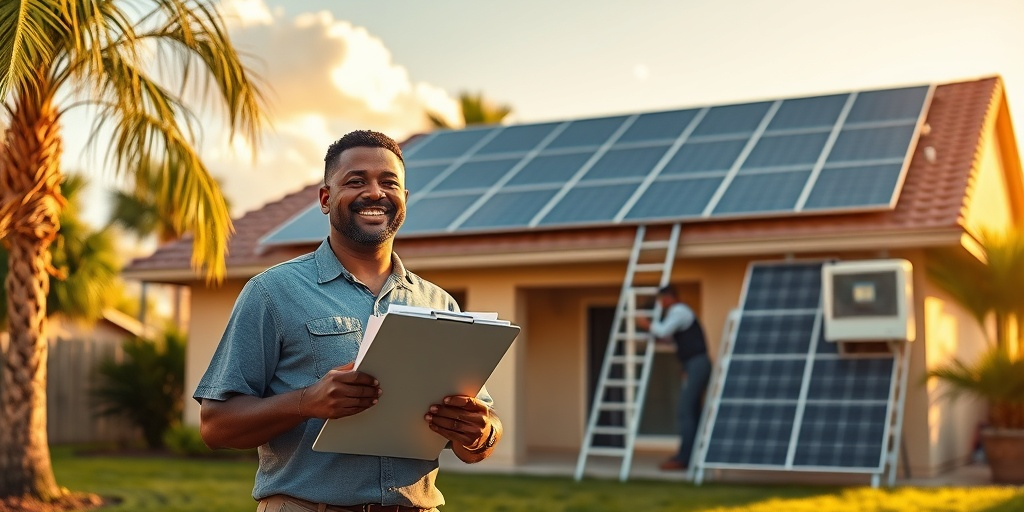
In 2021, data revealed that approximately 25% of Florida homeowners had adopted solar energy, expected to boost to over 30% by 2025 (SEIA.org). As electric bills continue to rise, many Floridians are left wondering, “What are my solar panel installation options?” In 2025, understanding these options is not just important—it’s imperative if you’re considering joining the solar revolution. This comprehensive guide titled What You Should Know About Solar Panel Installation Options will illuminate your path, helping you maximize savings while investing in renewable energy. The recent surge in energy prices and the introduction of new solar incentives underscore the urgency to consider solar energy now more than ever. In this article, we will explore five crucial sections: a case study to understand real-world implications, a detailed checklist for preparing for solar, common myths debunked, Florida-specific trends and policies, and a technical deep dive on the technology behind solar installations.
Understanding Solar Panel Installation Through a Case Study
Imagine Sarah, a Florida homeowner living in Jacksonville. Faced with rising electricity bills averaging $250 per month, she started researching solar options in early 2025. After extensive consultations with local providers, she learned about the various types of solar panel installation options available, each with its own advantages and implications for her long-term finances.
Sarah’s journey reflects a common experience among Florida homeowners navigating the solar landscape. When she first considered solar energy, she thought everyone in her neighborhood simply used solar panels. However, she found that a typical installation involved several considerations: roof mounting, ground mounting, and even solar carports. Each option varied in cost, efficiency, aesthetics, and adaptability to her property.
- Roof-Mounted Systems: Typically the most common choice, roof-mounted systems utilize existing structures with minimal additional costs. The average installation cost for these systems in Florida in 2025 is about $15,000 before incentives.
- Ground-Mounted Systems: These systems can provide better performance due to more optimal sun exposure. However, they require enough yard space and come with added installation costs, averaging around $25,000 (SolarReviews.com).
- Solar Carports: For homeowners with limited roof space, solar carports offer an innovative solution. While the upfront cost is higher, they double as shaded parking spaces.
Arming herself with this knowledge, Sarah created a checklist:
- Understanding local zoning and building codes
- Assessing the roof condition and size
- Evaluating financing options and available incentives
- Determining energy consumption patterns
- Researching credible solar installation companies
After careful consideration, she opted for a roof-mounted system due to its practicality, aesthetic integration with her home, and lower installation cost. Sarah’s choice not only reduced her bills significantly but also qualified her for state solar credits that further improved her ROI. According to a recent report, residents can save up to $30,000 over 20 years by switching to solar energy in Florida (SEIA.com).
This case study exemplifies the real-world impact of selecting the right solar panel installation options. Understanding various options can ultimately play a pivotal role in achieving energy independence and financial savings.
Checklist: Preparing for Solar Panel Installation
To ensure a successful transition to solar energy, Florida homeowners should follow these essential steps:
- Step 1: Audit Your Electric Bill – Start by reviewing your past electricity usage. Understanding how much energy you consume can help size the appropriate solar energy system.
- Step 2: Research Financing Options – Determine if you prefer to purchase, lease, or finance your solar panel system. Each comes with different financial implications.
- Step 3: Assess Your Roof – Check your roof’s condition and orientation. Ensure it has sufficient space and is in good condition to support solar panels.
- Step 4: Investigate Local Solar Incentives – Be aware of available financial incentives like the federal solar tax credit (26% in 2025) or state-focused programs that can significantly reduce costs.
- Step 5: Choose a Reputable Installer – Research and shortlist local solar installation companies by reading reviews, checking warranty offers, and their responsiveness.
Following this checklist will simplify the path toward solar energy adoption while maximizing your savings. Florida homeowners who take the initiative to prepare effectively can enjoy a smooth transition and full realization of benefits offered through solar technology.
Myth-Buster: Debunking Common Solar Panel Misconceptions
Even as solar energy becomes mainstream, several myths persist that deter potential adopters. Let’s clear them up:
Myth #1: Solar Panels are Too Expensive
While the upfront costs can deter many, prices for solar systems have dropped by nearly 80% in the past decade. With federal tax credits and local incentives, many homeowners find the initial investment scales back significantly (Energy.gov).
Myth #2: Solar Energy Only Works in Sunny States
While Florida enjoys plenty of sunny days, solar technology is effective in various climates—even on cloudy or rainy days. New advancements allow solar panels to capture diffuse light, maximizing energy capture.
Myth #3: Solar Panels Require Constant Maintenance
In reality, solar panels need minimal maintenance. Most manufacturers offer warranties of 25 years. Routine cleaning and inspections ensure they operate efficiently.
Myth #4: Solar Energy is Inefficient
Modern solar panels have efficiencies exceeding 20% for converting sunlight into electricity. Emerging technologies are striving for improved efficiency, ensuring better performance year after year.
Myth #5: Solar Systems Hurt Property Value
On the contrary, homes with solar energy systems typically sell for more than those without. Numerous studies indicate that solar systems can increase property value by approximately 4.1% (NREL.gov).
Clearing these misconceptions allows Floridians to approach solar energy with confidence, empowering them to make informed decisions about their energy future.
Florida-Specific Trends and Policies in Solar Energy
Florida’s sunny disposition comes with an increasingly supportive legal and financial landscape for solar energy. Here’s a closer overview of what to expect in 2025:
- Net Metering Policies: Under current regulations, homeowners can receive credit for excess energy produced by their solar systems that is fed back into the grid, making solar a more attractive option.
- Interconnection Agreements: As of 2025, the state has streamlined its interconnection processes for solar systems, significantly lowering the barriers for installation.
- Property Tax Exemptions: Florida homeowners who install solar energy systems are exempt from increasing property taxes due to their solar installations, further incentivizing adoption.
- The Solar Investment Tax Credit (ITC): The 26% federal tax credit is set to continue through 2025, allowing homeowners to deduct a significant portion of their solar investment from federal taxes.
- Community Solar Projects: As more Floridians seek access to solar energy, community solar programs are expanding, enabling residents who cannot install solar panels to benefit from shared solar resources.
By leveraging these policies, Florida homeowners can navigate their solar panel installation options more effectively, embracing the financial advantages of going solar while also contributing to a more sustainable energy future.
Understanding the Technical Side of Solar Systems
While contemplating solar panel installation options, it’s crucial to grasp the technology behind solar systems. Here’s a breakdown of how solar technologies integrate:
- Photovoltaic (PV) Panels: These panels convert sunlight into electricity directly using solar cells. The most common types are monocrystalline, polycrystalline, and thin-film, each with distinct efficiencies and costs.
- Inverters: Converting the direct current (DC) generated by the solar panels into usable alternating current (AC) for home consumption is the responsibility of inverters. They are critical for system performance.
- Battery Storage Systems: As battery technology advances, solar storage solutions are becoming more viable, permitting homeowners to store excess energy generated during the day for use during the night or cloudy days.
- Smart Monitoring Systems: New innovations allow homeowners to monitor solar production and energy consumption in real-time via smartphones, providing full visibility into system performance and energy use.
- Billing Structures: Understanding different billing options—like time-of-use rates and demand charges—can affect solar savings. Customized billing processes can maximize the benefits gained through solar installations.
Familiarizing yourself with these technical aspects will enable homeowners to appreciate the uniqueness of their chosen solar system while navigating the complexities of their solar installation options with renewed confidence.
Next Steps for Florida Solar Buyers in 2025
Transitioning to solar energy in 2025 does not have to be overwhelming. Instead, follow this structured action plan to guide your efforts in adopting solar:
- Step 1: Audit Your Electric Bill – Assess the past twelve months of your energy use. Understanding your consumption patterns helps determine the size of the solar panel system needed.
- Step 2: Schedule a Home Energy Assessment – A professional can evaluate your home’s insulation, air quality, and overall energy efficiency. Improving your home’s energy performance enhances your solar investment.
- Step 3: Explore Financing Options – Review the various financing makers such as cash purchases, loans, leases, or power purchase agreements. Each offers different long-term benefits.
- Step 4: Research Qualified Solar Installers – Collect bids and reviews from prospective solar providers, checking for licenses, warranties, and past performances to make an informed decision.
- Step 5: Confirm Installation Timing and Costs – Once you select a system and installer, set expectations for the installation timeline and discuss any additional costs that may be involved post-installation.
By following these steps, Florida homeowners can navigate the process of installing solar energy systems, ensuring they reap the maximum benefits while significantly reducing reliance on traditional energy sources. For more insightful resources, visit floridaelectricandsolar.com.
Conclusion
The journey into solar energy and understanding what you should know about solar panel installation options can seem daunting, but the rewards are numerous. By investing in solar, homeowners like Sarah are not only reducing electricity bills but also making sustainable choices that benefit the environment. The multiple financial incentives available in 2025 present a unique opportunity to embrace solar power and enjoy long-term savings.
Moreover, the growing acceptance and support from local policies in Florida give homeowners the assurance needed to transition towards renewable energy options without facing significant barriers. Solar energy is no longer just a trend; it’s a stepping stone toward energy independence and stability.
Ready to start your solar journey in 2025? Connect with a certified expert at floridaelectricandsolar.com today.
Related Articles
More insights about Solar Panel

Florida Homeowners: Why Solar Panel Maintenance Is Essential

7 Essential Steps for Solar Panel Installation Success

Expert Insights: Key Factors Influencing Solar Panel Lifespan
Ready to Go Solar?
Have questions about solar energy? Our experts are here to help you make the switch to clean, renewable energy.