
Top Financing Options for Solar Panel Installation in Florida
Share:
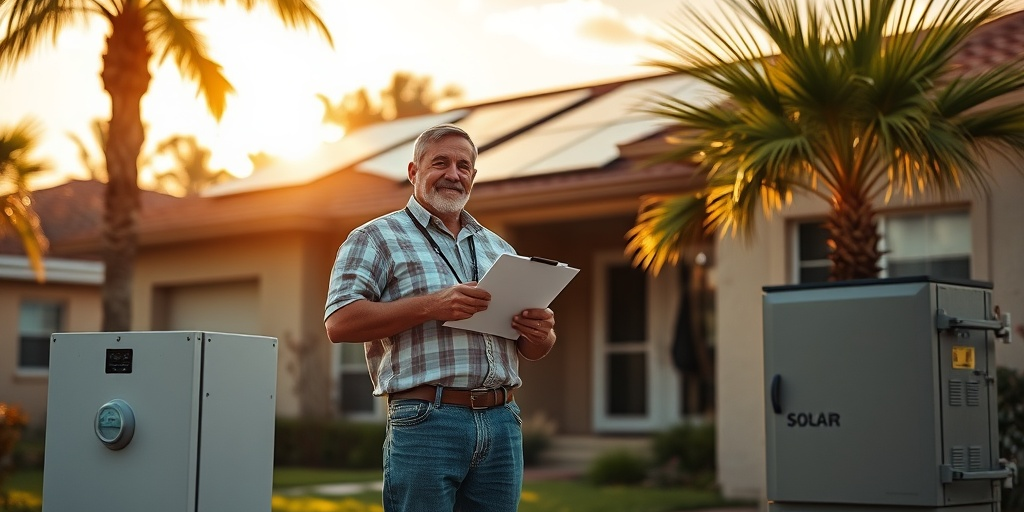
Imagine this: it’s a sunny day in Florida, and you’re sipping lemonade on your porch, all while the sun’s energy powers your home, saving you money every month. It’s not just a dream; it’s a reality that thousands of Florida homeowners are embracing. Welcome to our exploration of the Top Financing Options for Solar Panel Installation in Florida. As energy costs continue to soar and Florida’s environment grows increasingly unpredictable, making the shift to solar energy is an urgent necessity in 2025. Did you know that Florida’s solar market has grown by over 200% in the last five years? Moreover, the Solar Energy Industries Association reports that 87% of Floridians support solar energy use (SEIA.org). In this article, we’ll delve into the most empowering financing options available to you. Buckle up, as we explore compelling case studies, practical checklists for homeowners, myth-busting insights, Florida-centric data, and technical deep-dives designed to equip you with everything you need to make an informed decision.
Our journey will navigate through five essential sections:
- Real stories of homeowners who made the switch
- A definitive checklist for financing your solar installation
- Myths that hold many back from saving
- Local insights tailored to Florida residents
- Technical explanations taken from the hottest topics in solar financing
Understanding Florida’s Solar Financing: Real Stories of Homeowners
Meet the Johnsons, a family living in Orlando, who made a life-changing decision two years ago. Tired of rising utility bills that seemed to climb higher every month, they took a leap of faith into the solar world. With financing options that aligned perfectly with their needs, they financed their installation through a solar loan, allowing them to keep their monthly payments lower than their previous electric bills. In the two years since switching, their savings have allowed them to build a college fund for their daughter.
The Johnson family’s story is not unique. Across Florida, homeowners are discovering how financing options for solar installation can transform their financial outlook while contributing positively to the environment. Research indicates that solar installations in Florida are supported by various financing methods, including cash purchases, solar loans, lease options, and power purchase agreements (PPAs), paving the way for sustainable growth (Florida Solar Energy Center).
Here’s a quick checklist for what every Florida homeowner should consider when exploring financing options:
- Assess Your Budget: Understand how much you can afford upfront and monthly.
- Evaluate Financing Options: Explore loans, leases, or federal tax credits and incentives.
- Gather Estimates: Obtain detailed estimates from at least three local solar companies.
- Check Incentives: Investigate state and federal incentives that can maximize savings.
- Analyze Long-Term Savings: Calculate your projected energy savings over 10-20 years.
And while many find the idea of financing overwhelming, it’s essential to understand the myths surrounding it. First, let’s bust some common misconceptions that might be holding you back.
Myth-Busting Common Misconceptions About Solar Financing
When it comes to financing solar energy systems, misinformation can lead to misunderstandings and potentially costly mistakes. Here are the top five myths:
- Myth #1: Going solar is always too expensive.
- Myth #2: Leases do not allow for savings.
- Myth #3: Federal tax incentives are on their way out.
- Myth #4: Solar panels don’t work in cloudy Florida!
- Myth #5: Solar energy is a fad and it won’t last.
Truth: With several financing options, including low-interest loans and grants, there’s a solution for every budget.
Truth: While leases require a monthly fee, they can still save you on monthly energy costs compared to utility payments.
Truth: While the federal tax credit will step down in 2025, there are still substantial benefits available to offset upfront costs—acting sooner makes sense.
Truth: Florida is one of the sunniest states in the U.S., making it ideal for solar energy production.
Truth: With over 1.4 million solar installations nationwide, solar is a durable, proven energy option backed by strong market trends (SolarReviews.com).
Understanding these myths can help you avoid costly mistakes in your solar financing journey. Now, let’s explore financing options more closely with a local lens.
Florida’s Unique Landscape: Tailoring Solar Financing to Local Needs
Florida’s tropical climate and growing population create a unique landscape regarding solar financing options. The state government has been proactive in promoting solar initiatives, and in 2025, the landscape is shifting even more. Did you know that residential solar installations are expected to increase by an additional 12% next year alone? This surge reflects the effectiveness of solar incentives like the Florida Solar United Neighbors program, which helps residents pool their buying power to secure better pricing on solar systems (SolarUnitedNeighbors.org).
Florida residents can utilize specific financing programs designed for unique local conditions:
- Property Assessed Clean Energy (PACE): A financing option that allows homeowners to pay for their solar installation through property taxes, minimizing upfront costs.
- Local Credit Unions and Banks: Many financial institutions offer competitive solar loans tailored for residential customers.
- State Rebates: Check the Florida Solar Energy Center for updated lists on solar incentives and rebates.
Furthermore, understanding local utility programs is crucial. Certain Florida utilities offer incentives to customers who install solar. By staying informed about your utility’s specific programs, you can maximize your financial advantages.
Technical Deep-Dive: Understanding Solar Systems and Financing Options
Now that you have an overview of financing options and myths, let’s dive into the technical elements of solar panel systems and how they impact financing. Understanding system components—such as panels, inverters, and batteries—is crucial for selecting the best financing method for your installation.
Here’s what to consider:
- Solar Panels: Modern solar panels are more efficient than ever. Choosing the right type, like monocrystalline or polycrystalline, can impact your total costs and financing needs.
- Inverters: They convert the direct current (DC) from the panels into usable alternating current (AC). Understanding the cost of inverters is essential for your long-term savings.
- Batteries: Storage systems can be an integral part of your solar setup, allowing you to save energy for nighttime use. While they can drive up initial costs, they offer potential savings and energy independence.
Additionally, you must account for billing arrangements, especially if considering a solar loan. Factors like interest rates, loan lengths, and monthly repayments will vary based on these chosen technologies.
Next Steps for Florida Solar Buyers in 2025
Embarking on your journey to solar energy may seem daunting, but it breaks down into manageable steps. If you’re ready to join the ranks of the solar-powered, here’s a definitive action plan you can follow:
- Step 1: Assess Your Electric Bill: Review your utility bill to understand your energy usage and current costs.
- Step 2: Research Financing Options: Go through the different financing methods discussed to find one that best suits your lifestyle.
- Step 3: Get Multiple Quotes: Contact several local solar installers for estimates and financing options.
- Step 4: Review Potential Savings: Calculate your potential savings from each financing option to see which minimizes costs over time.
- Step 5: Choose a Trusted Installer: Make sure to vet solar companies by checking their reviews, credentials, and customer service.
These steps provide a straightforward path for exploring solar financing options. Learning about each element will bring clarity to this essential financial decision.
In conclusion, the option to harness solar power is a transformative opportunity for Florida homeowners. Navigating the array of financing options available may feel overwhelming at first, but it is vital for securing the future you wish to create. Each step can bring you closer to financial independence as you cut electric bills and contribute to a sustainable future. Don’t let myths or misinformation wield control over your choices. Your journey starts today!
Ready to start your solar journey in 2025? Connect with a certified expert at floridaelectricandsolar.com today.
Related Articles
More insights about Financing Options

Solar Panel Financing in Florida: Loans, Leases, and $0-Down Options for 2026

What Are the Critical Financing Options for Solar Panel Installation?

What Are the Best Financing Options for Solar in Florida
Ready to Go Solar?
Have questions about solar energy? Our experts are here to help you make the switch to clean, renewable energy.