
Why Florida Homeowners Should Understand Solar Panel Lifespan
Share:
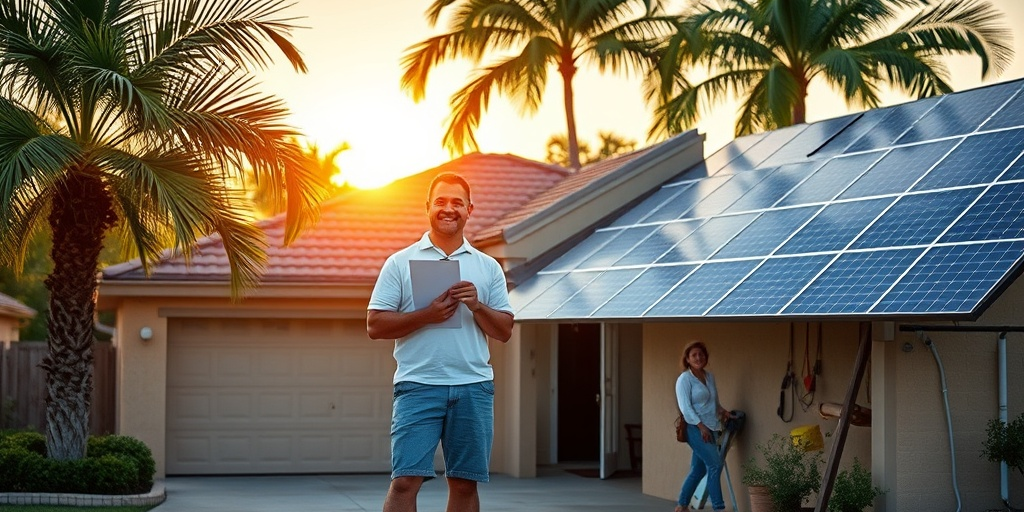
As a Florida homeowner, have you ever paused to consider the long-term benefits of solar energy—beyond just the initial investment? Here’s a powerful statistic to ponder: according to the Solar Energy Industries Association, Florida ranks third in solar capacity nationwide, having installed over 3.7 GW of solar power as of 2023. Yet, many homeowners remain in the dark about one crucial aspect of their solar panels: lifespan. In the insightful blog post titled “Why Florida Homeowners Should Understand Solar Panel Lifespan,” we explore why it’s vital for you to grasp the intricacies of solar panel longevity to optimize your investment. This understanding isn’t merely an academic exercise; it directly impacts your ability to cut electric bills, maximize savings, and own your power as we move into 2025 amidst rising energy costs and evolving solar technologies.
In 2025, with electric rates expected to surge due to both inflation and increasing demand, understanding the lifespan of your solar installation becomes urgent. For Floridians, this knowledge means you’ll be better equipped to take advantage of emerging solar incentives and make informed decisions about your property’s energy solutions. As we delve into this topic, we will cover the following five sections:
- The Lasting Impact of Solar Panel Lifespan
- Your Essential Solar Panel Maintenance Checklist
- Myth-Busting Common Misconceptions
- Understanding Local Incentives and Regulations in Florida
- Technical Insights for Better Solar Investments
By the end of this article, you’ll not only grasp the importance of solar panel longevity but also leave equipped with actionable insights tailored to the unique landscape of solar energy in Florida. Let’s shed light on your solar journey!
The Lasting Impact of Solar Panel Lifespan
Imagine Jane, a homeowner from Tampa. After years of rising energy costs and worry, she decides to invest in a solar energy system. What Jane soon discovers is that understanding the lifespan of her solar panels could make all the difference in her energy consumption—and her wallet. In this section, we’ll explore Jane’s journey as a case study that showcases the practical implications of solar panel lifespan.
On average, solar panels have a lifespan of 25 to 30 years. When Jane first installed her 10 kW system, she expected it to reduce her electric bills significantly. In her first year, her investment indeed paid off. The panels were generating approximately 75% of her household electricity needs, saving her nearly $2,400 annually in electricity costs. However, to fully appreciate the total value of her system, she needed to understand how lifespan impacts efficiency and savings.
1. Watch the Shift in Warranty Coverage
Most solar panels come with a 25-year warranty, but that doesn’t mean they will stop functioning effectively once that period ends. Studies show that solar panels can still operate at around 80% efficiency even after 25 years (NREL.gov). Jane learned that maintaining her solar system over the years—such as keeping them free of debris and covering them as necessary during storms—could help extend their productivity, ensuring she benefited from that energy production even beyond the warranty.
2. The Impact of Environment on Lifespan
Living in Florida’s humid subtropical climate presents unique challenges. While solar panels are designed to withstand intense heat and occasional storms, prolonged exposure to moisture and salt from coastal winds can accelerate wear and tear. For homeowners like Jane, understanding this element can help them choose the right installation angle and materials to enhance longevity. Choosing corrosion-resistant frames might be worth the upfront investment for longer-lasting performance.
3. The Importance of Monitoring
Jane was surprised to learn that monitoring her solar energy system could help maximize its lifespan. By using advanced monitoring apps, she was able to track energy production and detect any drops in efficiency, prompting her to service her system promptly. Regular inspections could reduce the risk of small issues developing into costly repairs down the line. In fact, the U.S. Department of Energy recommends solar system owners check their performance monthly for optimal maintenance (Energy.gov).
4. Seasonal Maintenance Tips
- Spring Inspection: Check for any debris accumulation and clean the panels accordingly.
- Summer Readiness: Review the system to ensure it can handle peak sunlight and heat.
- Hurricane Preparedness: Secure any loose components and check that brackets and mounts are in good condition.
- Winter Check: Make sure there’s no snow or ice accumulation if relevant to your area.
Understanding the tangible impacts of solar panel lifespan was a game-changer for Jane; it amplified not just her immediate savings but her long-term strategy around energy independence. Building upon her revelations, let’s delve into the actionable steps you can take to ensure your solar panel system remains a solid investment.
Your Essential Solar Panel Maintenance Checklist
Understanding solar panel lifespan transcends mere facts—maintenance plays a pivotal role in ensuring efficiency and durability. This checklist will guide you through essential steps to maintain your solar panels, optimizing both their lifespan and your investment.
Step 1: Audit Your Electric Bill
The first step is to review your electric bills before and after installing solar panels. By understanding your usage patterns, you can adjust your system to maximize savings. Many Florida homeowners find they can rely on solar energy for 70% or more of their bill—knowledge is power!
Step 2: Choose the Right Location
Panel placement can make or break your solar system. If you live near large trees or buildings that cast shadows, consider trimming or relocating panels. Proper alignment can increase efficiency significantly; studies show that unshaded south-facing panels can significantly enhance energy production (SolarReviews.com).
Step 3: Regular Cleaning
Florida’s unique climate can lead to dirt, pollen, and other debris building up on your panels. Make it a habit to clean them at least twice a year, or more often based on your local conditions. Use a soft cloth with water to avoid scratching the surface.
Step 4: Monitor System Performance
Use an app or monitoring system to keep tabs on energy production. A consistent drop in output could signal a problem that needs fixing. Many Floridians utilize smart meters that provide real-time consumption data, making management easier.
Step 5: Schedule Professional Inspections
Consider hiring a professional for an annual inspection. Technicians can identify issues you might miss, ensuring everything is in optimal condition. Proper maintenance could extend the life of your system and reduce costly repairs.
As you engage with these essential steps, it becomes evident that solar panel maintenance is directly correlated with their lifespan. The insights gained will empower you to make proactive choices, ensuring your investment pays off across decades. Let us now address some misconceptions surrounding solar panel lifespan—information that could change your perspective significantly.
Myth-Busting Common Misconceptions
As a Florida homeowner exploring solar energy, you’ve likely encountered a myriad of myths about solar panel lifespan. Misunderstandings can lead to unnecessary hesitations and prevent you from making informed decisions. Let’s deconstruct some of these myths together.
Myth #1: Solar Panels Stop Working After 25 Years
This is one of the biggest myths circulating among potential solar adopters. While solar panel warranties typically cover 25 years, many panels continue to generate electricity beyond that timeline. In fact, some studies indicate that performance drops less than 0.5% per year, meaning they can still produce energy at reasonable efficiency (NREL.gov).
Myth #2: All Solar Panels Are the Same
People often believe that all solar panels offer identical performance and durability. However, quality varies widely among manufacturers. Investing in tier-one brands can offer better warranties and proven lifespans, demonstrating the importance of thorough research before purchase.
Myth #3: Solar Panel Damage Can’t Be Repaired
Another common myth is that any damage to a solar panel necessitates a complete replacement. Minor issues, like hairline fractures or electrical problems, can often be repaired without replacing the entire system, highlighting the importance of professional assessments.
Myth #4: Solar Panels Are Ineffective in Cloudy Conditions
Florida’s weather can be fickle, leading to doubts about the efficacy of solar panels on cloudy days. However, solar panels can still capture sunlight even when it’s overcast, as they rely on direct and diffuse sunlight. Your investment can pay off even in less than ideal conditions, making it a robust energy source year-round.
Myth #5: You Don’t Need to Maintain Solar Panels
Finally, some believe that solar panels are maintenance-free. Regular cleaning and inspections are vital for maintaining efficiency and prolonging system lifespan. Knowledgeable homeowners like Jane can ensure they mitigate unnecessary risks and extend their panels’ effective lifespans. Stay vigilant!
Dispelled myths pave the way for clearer understanding, emphasizing that knowledge is your most potent asset as you consider solar investment. Next, let’s focus on Florida-specific insights and regulations that can further inform your solar journey.
Understanding Local Incentives and Regulations in Florida
As a Florida homeowner, it is essential to not just understand solar panel lifespan but also how local policies and incentives can enhance your investment. Let’s explore the landscape and specifics that can benefit you.
1. The Federal Solar Investment Tax Credit (ITC)
The first major benefit is the federal solar investment tax credit, which allows homeowners to deduct 26% of the cost of solar panel installation from their federal taxes. As of 2023, those considering solar have a limited window of opportunity, as this percentage is set to decrease. Taking advantage of this credit can provide a significant upfront savings that can extend the viability of your solar system—especially in its early years.
2. Florida’s Net Metering Policies
In Florida, net metering allows you to receive credits for the excess energy produced by your solar panels. These credits reduce your electricity bills, creating additional cost savings. Rates vary by utility, but understanding your utility’s policies can maximize your solar investment. homeowners in Florida can receive credits for surplus energy production, making it even more cost-effective.
3. State-Specific Incentives
Various local incentives may be available based on county or city regulations. For instance, several Florida utilities offer rebates for solar installations, which can offset your initial costs even further. Investing the time to explore these programs can enhance your financial returns, making your solar decision more impactful over time.
4. Compliance with Building Codes and Permits
When planning an installation, ensure you are compliant with local building codes and zoning laws. Florida’s regulations may require permits for solar installations, which can vary by municipality. Consulting with a solar expert can help streamline this process and ensure you adhere to all necessary guidelines.
5. Resale Value of Solar Homes
Finally, homes equipped with solar panels can see increased resale values. According to a study by the National Renewable Energy Laboratory, solar installations can elevate home values by as much as $15,000 on average, a fact that should weigh in favor of your solar investment. In a competitive Florida real estate market, this can be a significant advantage for homeowners considering future moves.
As you engage with these local incentives and regulations, it becomes clear that Florida offers a fertile ground for solar investments. These considerations not only pertain to financial savings but also contribute to a sustainable future for our communities. Now, let’s dive deeper into some technical insights to equip you further.
Technical Insights for Better Solar Investments
Understanding the technicalities of solar systems can set you on a path toward maximizing your investment. In this section, we will dissect key components, billing structures, and solar technology trends that influence the broader performance and lifespan of your solar panels.
1. Recognizing Quality Solar Panels
Investing in high-quality solar panels can significantly affect your system’s performance and lifespan. Look for panels with reputable certifications from organizations like the International Electrotechnical Commission (IEC), which verifies their durability and efficiency. Premium panels generally have longer warranties and better performance over time (SEIA.org).
2. The Role of Inverters
Solar inverters are crucial to the performance of your solar system. They convert DC power generated by the panels into usable AC power for your home. The lifespan of inverters generally ranges from 5 to 15 years. Investing in higher-quality inverters can lead to a balanced and sustained energy output, ensuring that your panels operate at peak performance over their lifespan.
3. Battery Storage Solutions
With the rise of energy independence, battery storage options have gained popularity. Systems like the Tesla Powerwall allow homeowners to store excess energy for later use, amplifying the effectiveness of solar energy production. Understanding how your battery complements your solar panels can lead to more informed purchases, assisting in saving money while ensuring solid backup power options.
4. Billing Structures and Energy Rates
Familiarizing yourself with local billing structures can illuminate ways to maximize energy savings. Florida operates under different rate structures depending on the utility provider, with various plans catering to residential customers. By engaging a local solar consultant, you can better understand which billing structure works best for your usage patterns and financial goals.
5. Emerging Technologies
Keep watch for advancements in solar technology and energy storage, such as bifacial solar panels, which can generate energy from both sides, or advancements in solar cell efficiency. As the industry evolves, staying informed allows homeowners to adapt their practices and maintenance methods effectively, thereby extending the lifespan of their investments.
By gaining a technical understanding of these components and technologies, you empower yourself to make informed choices that will serve you well in the long run. The path to maximizing your investment is illuminated through knowledge! Finally, let’s piece together a clear action plan that you can follow to transition to solar smoothly.
Next Steps for Florida Solar Buyers in 2025
With a clearer understanding of the vital components of solar panel lifespan, you may be wondering how to execute your plans. This action plan outlines the next steps for Florida homeowners eager to embark on their solar journey.
Step 1: Audit Your Electric Bill
Start by reviewing your current electric bills to gauge your average monthly usage. Knowing how much energy you currently consume can better inform your expected savings from solar panels.
Step 2: Research Local Contractors
Engage with reputable solar providers in Florida. Visit floridaelectricandsolar.com to find trusted contractors who will explain the process and provide necessary certifications alongside their service offerings.
Step 3: Understand Financial Incentives
Familiarize yourself with current incentives, rebates, and tax credits applicable to your installation. This knowledge will facilitate better financial planning, increasing your return on investment.
Step 4: Site Survey and Capture Energy Projections
Once you find a reputable contractor, schedule a consistent site survey for your property. This analysis will ensure that you install the perfect system tailored to your energy needs.
Step 5: Monitor Your System Post-Installation
Finally, ensure that you track your energy consumption and generation after installation. Utilize monitoring systems to stay informed on the efficiency of your investment and address any discrepancies promptly.
As we wrap up this comprehensive guide, remember that understanding solar panel lifespan holds immense potential to transform your energy expenses into savings and promises of sustainability for generations. The decision to switch to solar energy is not just a financial choice but a commitment to the future. Ready to start your solar journey in 2025? Connect with a certified expert at floridaelectricandsolar.com today.
Related Articles
More insights about Solar Panel

Florida Homeowners: Why Solar Panel Maintenance Is Essential

7 Essential Steps for Solar Panel Installation Success

Expert Insights: Key Factors Influencing Solar Panel Lifespan
Ready to Go Solar?
Have questions about solar energy? Our experts are here to help you make the switch to clean, renewable energy.