
7 Essential Steps for Solar Panel Maintenance in Florida
Share:
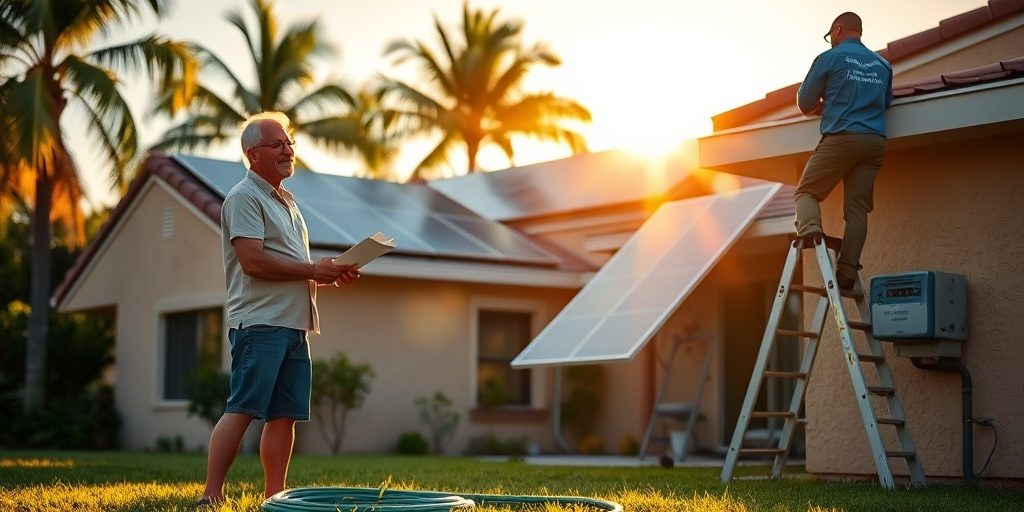
As of 2023, Florida ranks third in the nation for solar capacity, boasting over 6,000 megawatts of installed solar energy. With the combination of sunshine and innovation, Florida became a beacon for homeowners and commercial property owners looking to embrace solar power. However, owning solar panels requires responsibility—and that includes proper maintenance. Whether you’re planning on going solar in 2025 or already harnessing the power of the sun, understanding essential maintenance practices is crucial.
In this article titled “7 Essential Steps for Solar Panel Maintenance in Florida,” we’ll walk you through the necessary steps to maximize the efficiency of your solar panels while extending their lifespan—transforming your investment into a lasting asset. Florida homeowners can save up to $1,500 annually by installing solar systems, making it imperative to keep these systems functioning at peak performance. With rising energy costs predicted for the near future and various new incentives for solar investments, 2025 is a pivotal year for solar ownership in Florida.
Throughout this comprehensive guide, you can expect to learn about: 1) the importance of routine inspections, 2) how to clean your panels safely, 3) the need for monitoring system performance, 4) addressing myths related to solar maintenance, and 5) technical insights into emerging technologies that could affect your solar setup. Let’s dive into the essential steps that will empower you as a solar homeowner!
Understanding Solar Panel Maintenance: A Homeowner’s Case Study
Meet Sarah, a homeowner in Orlando, Florida, who decided to install solar panels in early 2023. Eager to significantly reduce her electric bills and contribute positively to the environment, she invested in a high-efficiency solar array. However, as the months went by, Sarah noticed certain inefficiencies. Her initial exhilarating joy gave way to dismay as she learned that neglecting solar panel maintenance could decrease her system’s output by up to 25% (Energy.gov).
After attending a local solar maintenance workshop hosted by Florida Electric & Solar, Sarah gained the knowledge she needed. She discovered seven essential steps to maintain her solar panels and maximize their efficiency. These steps became her checklist:
- Step 1: Schedule Regular Inspections
- Step 2: Clean Your Solar Panels
- Step 3: Monitor Performance
- Step 4: Address Local Weather Impact
- Step 5: Keep Up with Technology
- Step 6: Document Maintenance Records
- Step 7: Consult Professionals When Needed
Sarah diligently observed this checklist and transformed her solar ownership experience. Each inspection revealed new insights, and with regular cleaning, her system’s energy production stayed consistent and effective. Regular monitoring helped her identify issues before they became costly repairs, underscoring the importance of proactive maintenance.
Checklist: 7 Essential Steps
Now that you’ve seen Sarah’s success, let’s explore the detailed version of the 7 essential steps for solar panel maintenance in Florida:
- Step 1: Schedule Regular Inspections
Set a routine inspection schedule—ideally every six months. Inspect and secure connections, wiring, and inverters. A clean system runs more efficiently; ensure all connections are tight and corrosion-free to promote optimal performance. - Step 2: Clean Your Solar Panels
Nature thrives in Florida, which means dirt, pollen, and algae can hinder the performance of panels. Clean your solar panels every 2-3 months to avoid dirt buildup. Use distilled water and a microfiber cloth, or hire a professional service. - Step 3: Monitor Performance
Utilize monitoring systems that provide real-time data on energy production. Keeping an eye on your energy output allows you to notice discrepancies. If your energy output decreases beyond a certain level, take immediate action. - Step 4: Address Local Weather Impact
Hurricane season in Florida can wreak havoc on solar panels. Assess your system after storms and strong winds. Strong gusts can loosen panels or connections, so periodic checks are crucial in these conditions. - Step 5: Keep Up with Technology
Stay informed about the latest advancements in solar technology. Updates on solar bacgain systems, inverters, and monitoring devices can enhance your existing panels. Bring your setup up to speed to maximize performance. - Step 6: Document Maintenance Records
Maintain detailed records of all inspections, cleanings, and any repairs. This log proves beneficial when filing claims or seeking warranties, ensuring you have a comprehensive history of your solar system’s maintenance. - Step 7: Consult Professionals When Needed
When in doubt, consult a professional solar maintenance expert. Florida Electric & Solar offers services tailored to keeping your solar system healthy and efficient.
By diligently following these steps, homeowners like Sarah can protect their investment and ensure consistent energy savings. But as with any subject, certain myths can cloud judgment regarding solar maintenance. Let’s unpack some of those next.
Debunking Myths: What Homeowners Need to Know
Many misconceptions surround solar panel maintenance, and these myths can lead to costly mistakes. Here are five prevalent myths along with the truths behind them:
- Myth #1: Solar Panels Don’t Need Maintenance
Truth: While solar panels are low-maintenance, they still require inspections and cleaning. Failing to maintain them can significantly reduce efficiency—by as much as 25% (Energy.gov). - Myth #2: Rain Automatically Cleans Solar Panels
Truth: While rain can wash away some debris, it doesn’t clean panels effectively, especially in humid areas where mold or algae can form. Regular cleaning is essential in Florida’s climate. - Myth #3: Snow Is the Only Concern for Solar Panels
Truth: Florida has its unique weather challenges, including high humidity, rain, and hurricane winds. Neglecting storm damage assessment can lead to future problems. - Myth #4: Solar Panels Last Forever Without Care
Truth: Solar panels are durable but not indestructible. Monitoring performance and routines can help ensure they last longer than their warranties—typically 25-30 years. - Myth #5: DIY Maintenance Is Sufficient
Truth: While some tasks can be done by homeowners, complex issues require professional knowledge. It’s vital to consult experts for safety and efficiency.
Debunking these myths will empower you to take your solar ownership seriously and ensure you’re doing everything you can to protect your investment. But what are the local implications of these steps? Let’s explore how Florida’s unique landscape and legislative considerations impact solar maintenance even further.
Local Focus: The Florida Solar Landscape
Florida’s sun-drenched environment offers incredible potential for solar energy, but specific local factors can influence maintenance practices. Understanding these nuances can enhance your solar experience.
First, consider the solar policies backed by the Florida Public Service Commission. Florida bills itself as the “Sunshine State,” and the current incentives can make maintenance more appealing. With programs like the Solar and Energy Loan Fund (SELF), Floridians can get low-interest loans specifically for solar technology and maintenance improvements (EcoWatch.com).
Second, seasonal weather impacts should be top of mind. High humidity and storms are something to anticipate. Homeowners need to inspect and secure their solar panels proactively to minimize potential damage as larger storms approach. The likelihood of hurricanes makes regular checks increasingly important. In fact, according to recent data, Florida residents experienced an estimated $43 billion in hurricane damages (FloridaDisaster.org)—a stark reminder to assess how weather influences your solar installation.
Additionally, being informed about solar landfill concerns is essential. Data shows that solar panel disposal, if not managed correctly, can lead to environmental degradation. It is beneficial for homeowners to seek solar panels designed to minimize waste. Systems from reputable companies not only ensure longevity but also consider disposal logistics. Moreover, it’s worth staying updated on recycling programs offered by manufacturers for end-of-life panels.
Keeping these local factors in mind will help streamline your maintenance journey. Now that we’ve established what Florida homeowners need to be aware of, let’s dive deeper into five expert installation tips that will prepare you for long-term solar success in 2025.
5 Expert Solar Installation Tips for 2025
With the solar landscape evolving swiftly, homeowners must consider updated strategies for installation practices. Here are five expert tips to consider as you plan for the transition to solar energy:
- Don’t Skimp on Panel Placement:
Optimal placement can increase energy production by as much as 30%. Ensure your installer assesses roof angle and shading to maximize exposure. - Choose Quality Components:
Investing in superior solar panels and inverters can drastically impact energy generation. Look for panels with high efficiency ratings, ensuring they meet Florida’s demanding weather conditions. - Consider Battery Storage:
With the advent of energy storage solutions, integrating storage into your system can provide backup during outages, enhancing your energy independence. - Utilize Monitoring Systems:
Monitor your solar output with real-time analytics. These systems allow you to track when your panels generate energy and help you identify issues early. - Take Advantage of Local Incentives:
Ensure you’re well-versed in available federal and state incentives, as well as any local funding. Take advantage of the Solar Renewable Energy Certificates (SRECs) in Florida as an income-generating opportunity.
Implementing these tips will allow homeowners to optimize their installation, ensuring peak performance for years to come. But even after successful installation, monitoring and adjustments remain key. How have others tackled their solar journey? Let’s follow a Florida homeowner’s fictional journey.
An Inspiring Solar Journey in Florida
Meet Tom, a vibrant retiree from Miami who embraced solar energy at the dawn of 2023. Motivated by a commitment to reduce his monthly bills and contribute to environmental sustainability, Tom invested in a comprehensive solar system tailored to his home. Tom recognized that solar ownership was just the beginning of his commitment.
Here’s how Tom navigated through his solar journey:
- Education:
Tom committed himself to learning about solar energy and its unique maintenance challenges in Florida. He attended workshops and webinars, connecting with local experts to hone his understanding. - Seasonal Assessment:
He diligently inspected his system monthly, focusing on weather impacts unique to Florida. Every June and September, just before hurricane season, he made additional checks. - Routine Cleaning:
Tom followed a rigorous cleaning schedule, ensuring that every few months, his panels were spotless. Living near palm trees, he learned the importance of timely maintenance to maximize sunlight absorption.
As challenges arose—be it a fallen tree branch or a sudden dip in energy production—Tom quickly sought professional assistance. His maintenance logs reflected a proactive approach, showcasing his attention to detail and ultimately fostering a healthy system.
As time passed, Tom’s solar panels not only saved him a significant portion on his electric bills but also inspired his neighbors to consider solar investments. It became evident the journey of solar ownership transcends the technology itself; it embodies stewardship over energy resources.
Next Steps for Florida Solar Buyers in 2025
Now equipped with knowledge about maintaining your solar panels, it’s time to outline actionable next steps for Florida homeowners looking to transition to renewable energy in 2025:
- Step 1: Audit Your Electric Bill:
Examine your energy usage closely. Understanding your consumption patterns can inform the optimal size of your solar system. - Step 2: Research Available Incentives:
Thoroughly investigate available state and federal incentives. The nuances between incentives can influence your decision-making during the installation. - Step 3: Choose a Reputable Installer:
Seek qualified solar installation companies experienced in the Florida market to ensure proper installation and ongoing support, like floridaelectricandsolar.com. - Step 4: Validate Warranties:
Revisit your warranty agreements for solar panels and inverters, ensuring you are familiar with the coverage duration and conditions for service. - Step 5: Develop a Maintenance Plan:
Create a comprehensive long-term maintenance plan. Include routine inspections, cleaning schedules, and emergency contacts for repairs.
By following these actionable steps, Florida homeowners can embark on a confident solar journey marked by informed decisions and proactive maintenance strategies.
Conclusion
In conclusion, embracing solar energy is not only a financially sound decision; it’s a commitment to a sustainable future. As we’ve explored through compelling stories and practical insights, proper solar panel maintenance is paramount to maximizing efficiency and extending the lifespan of your investment.
From the 7 essential steps outlined in this guide to navigating Florida’s unique landscape, the journey toward energy sustainability can seem daunting, yet it’s achievable with diligence and care. Don’t overlook the urgency of today’s shifting energy landscape—be proactive in your maintenance, be aware of local considerations, and be engaged in the sustainable future of your household.
Ready to start your solar journey in 2025? Connect with a certified expert at floridaelectricandsolar.com today.
Related Articles
More insights about Solar Panel

Florida Homeowners: Why Solar Panel Maintenance Is Essential

7 Essential Steps for Solar Panel Installation Success

Expert Insights: Key Factors Influencing Solar Panel Lifespan
Ready to Go Solar?
Have questions about solar energy? Our experts are here to help you make the switch to clean, renewable energy.