
Key Considerations for Tampa Homeowners Considering Solar Panel Installation
Share:
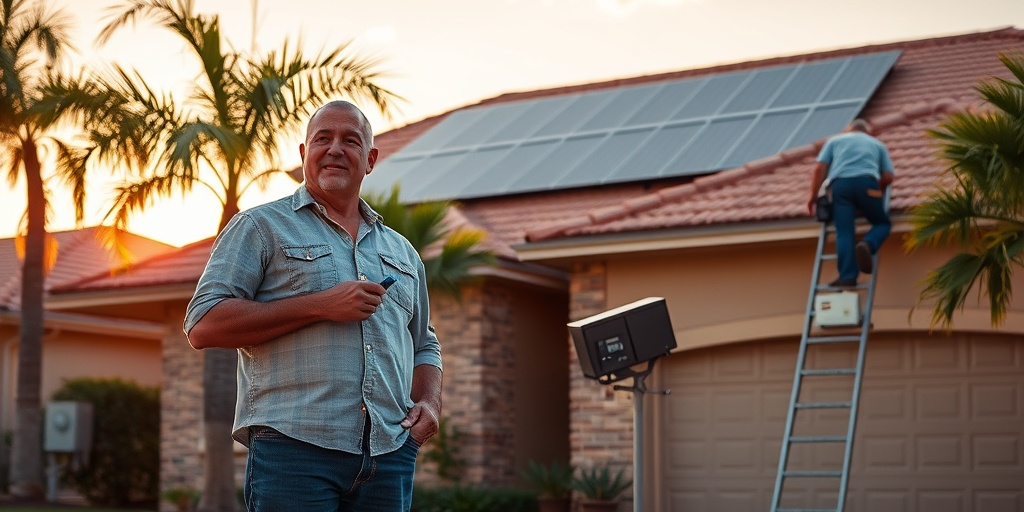
As Florida homeowners, are you tired of watching your electricity costs skyrocket while feeling trapped by rising energy bills? Did you know that in 2022, Florida ranked second in the nation for installed solar power capacity, reflecting a massive shift toward renewable energy? In light of recent legislation aimed at increasing solar designations, the time has never been better for Tampa residents considering solar panel installation. This article, titled Key Considerations for Tampa Homeowners Considering Solar Panel Installation, will guide you through the most critical factors to consider before making this transformative investment.
In 2025, trends show that shifting toward solar power will not only help reduce your annual energy spending but could also significantly enhance your property value. As homeowners contemplate whether to install solar panels, understanding the local market’s intricacies, available incentives, and the technology itself becomes paramount. With Florida’s ample sunshine, there’s a unique opportunity to capitalize on solar energy, making it more crucial than ever to stay informed about your options.
In this article, we will explore five key sections to help you navigate the solar landscape effectively:
- Explore real-world success stories of Tampa homeowners who transitioned to solar energy.
- Get a comprehensive checklist to simplify your decision-making process.
- Debunk common myths that could be holding you back from going solar.
- Examine local policies, incentives, and community resources tailored to Florida residents.
- Take a deep dive into the technical components of solar systems and billing structures.
Prepare to embark on a journey toward energy independence and long-term savings as we unfold these essential considerations for homeowners in Tampa.
Transformative Solar Journeys: Case Studies of Tampa Homeowners
Imagine the Rodriguez family, a typical household in Tampa, struggling with high monthly utility bills. Starting to feel the pressure of escalating energy costs, Maria and Jason sought a solution. After researching their options, they decided to go solar in early 2023. The couple was excited to take advantage of the recently extended federal tax incentives for renewable energy solutions, allowing them to deduct a percentage of their installation costs from their taxable income (Energy.gov).
Their journey began with a detailed consultation with a solar provider who assessed their energy consumption and roof space. They were instructed to expect a reduction in monthly energy bills by 60-70% after the installation. This was no small feat; Tampa homeowners often worry about the initial investment, especially when solar installation can run several thousands of dollars. However, they noticed immediate financial relief once the solar panels were up and running. Maria marveled at the fact that not only were they saving money, but they were also contributing to Florida’s sustainability goals.
The Rodriguez family decided to hop on a financing plan provided by Florida Electric & Solar, which allowed them to start experiencing savings right away, instead of paying the total installation cost upfront. Within just a few months, they noticed their utility bills drop from $210 to under $90. This case exemplifies why Tampa homeowners should consider when evaluating solar panel installation: what may appear as a daunting investment can lead you down a path to profound savings over time.
Here’s a quick checklist for Florida homeowners interested in their solar journey:
- Research local solar providers: Identify reputable installers with strong reviews.
- Evaluate financing options: Determine if you’d prefer a purchase, loan, lease, or Power Purchase Agreement (PPA).
- Assess your energy needs: Analyze your current electricity consumption to tailor your system size.
- Explore incentives: Investigate federal and state rebates to offset initial costs.
- Check your roofing condition: Ensure your roof is supportive and in good shape before installation.
Many myths surround the solar industry that may deter homeowners. Let’s tackle these misconceptions head-on.
Debunking Myths About Solar Energy
Myth #1: “Solar panels are too expensive for the average homeowner.” This outdated belief neglects the fact that costs have significantly declined over the past decade. According to the Solar Energy Industries Association (SEIA), solar pricing has dropped by about 70% since 2010. Additionally, local, state, and federal tax incentives can help alleviate the financial barrier.
Myth #2: “Solar panels won’t work in cloudy weather.” While sunny days are optimal for solar energy production, modern panels can still generate power during cloudy or rainy conditions. In fact, some panels even perform better in cooler temperatures, making them effective throughout Florida’s varying weather patterns.
Myth #3: “I must buy my solar system outright.” Many homeowners don’t realize that there are several financing options available. You can lease your solar system, enter into a Power Purchase Agreement (PPA), or secure a loan, allowing you to avoid upfront costs while still benefiting from solar savings.
Myth #4: “My home needs to be perfectly oriented for solar.” While south-facing roofs are ideal, solar panels can be installed on various orientations and still produce significant energy savings if designed properly. Professional installers can place panels practically anywhere on your property for optimal energy production.
Myth #5: “The solar energy installation process will take forever.” Most residential solar installations can be completed within a few days to a couple of weeks. Once you’ve chosen a solar provider, they’ll obtain necessary permits, and initiate installation, typically before you know it.
With these myths dispelled, it’s critical to understand the specifics of the Florida solar landscape, especially with new policies like the updated net metering regulations recently implemented to further incentivize solar installations.
Navigating Solar Policies and Local Incentives in Tampa, Florida
Understanding local policies and incentives is paramount to maximizing your solar investment. Tampa homeowners can take advantage of various programs that can significantly offset installation costs and improve long-term returns.
Florida’s net metering policy enables homeowners with solar systems to receive credits for excess power produced and sent back into the grid. As per the 2023 regulations, residents can now enjoy immediate credits that lower their monthly utility bills (DSIREUSA.org). This could add substantial savings over years, especially during peak electricity usage months.
Additionally, Florida offers various property tax exemptions for solar installations. According to the Florida Department of Revenue, homeowners can avoid additional tax assessments for the value of the solar panels installed on their property. This means that even as property values may rise, the installation of solar panels won’t lead to increased property taxes.
Another local incentive is the federal solar Investment Tax Credit (ITC), which offers a 30% tax credit to those who purchase solar systems by the end of 2025. This incentive is critical for homeowners looking to lessen their financial burden upfront, propelling them closer to making the decision to join the solar movement.
Tampa homeowners should also remain astute about state-level energy policies. The rise in energy demand and long-term forecasts show that Florida’s electricity needs will continue to grow, making the switch to solar not only an economic decision but an ecological one. As experts predict a 20% increase in electricity demand by 2030, remaining energy-efficient through solar power is no longer just an option—it’s becoming an essential strategy for sustainable living (Energy.gov).
Below is a quick overview of local Florida solar incentives:
- Net Metering: Earn credits for energy produced that feeds back to the grid.
- Property Tax Exemption: No tax increase for adding solar power installations to your property.
- Federal Investment Tax Credit: Get 30% of your solar costs back in tax credits until 2025.
Don’t forget to work with knowledgeable local solar providers to ensure you’re fully leveraging these opportunities and adapting to the unique constraints and strengths of Florida’s solar policies. Now, let’s dive into the technical aspects of solar systems to arm you with valuable information for your solar journey.
Diving Into Solar Technology: Understanding the Basics
As you consider solar panel installation, it’s critical to familiarize yourself with the technical components of solar energy systems. This knowledge will equip you to make informed decisions as you engage with installers and evaluate proposals. At the core of any solar setup are three primary components: solar panels, inverters, and battery storage systems.
Solar Panels: Solar panels are the most visible part of the system, commonly mounted on rooftops. They convert sunlight into direct current (DC) electricity. In terms of efficiency, typical residential solar panels have an efficiency rating of about 15-22%, indicating the fraction of sunlight that can be turned into usable electricity. New research shows even higher efficiency panels are becoming more available, which improves potential electricity generation (SEIA.org).
Inverters: These devices play a crucial role in converting the DC electricity produced by the solar panels into alternating current (AC) electricity, which is used by most household appliances. There are several types of inverters available, including string inverters, micro-inverters, and power optimizers. When deciding which type is most appropriate, consider factors like system size, shading issues, and efficiency requirements.
Battery Storage Systems: Home battery systems allow homeowners to store surplus energy produced during the day for later use, enhancing self-consumption. This can help flatten energy costs and provide a backup during outages. Based on recent advancements, battery storage technology has become more efficient and cost-effective, making them a valuable addition to many solar systems.
Understanding billing structures is equally important. Many solar homeowners opt for net metering, where excess production earns credit toward future electricity bills. However, some may choose a performance-based incentive (PBI) program that pays homeowners based on the actual kilowatt-hours produced over time. Seek guidance from local providers to determine the best fit for your energy needs.
Ultimately, determining the perfect blend of solar panels, inverters, and battery storage will come down to a combination of your energy needs and budget. Remember to consider future technology advancements as this sector evolves rapidly. As more efficient systems enter the market, an informed homeowner will be best positioned to adapt and make the most of their solar energy investment.
Next Steps for Florida Solar Buyers in 2025
So, you’re interested in embracing solar energy but unsure where to begin? This checklist will guide you through the next steps to simplify your transition to solar power.
- Step 1: Audit Your Electric Bill: Start by analyzing your recent electric bills to identify energy consumption patterns and billing cycles. This will give you a baseline to compare against potential savings with solar.
- Step 2: Explore Financing Options: Research available financing options, including loans, leases, and PPAs. Consult with local experts to navigate the best fit for your financial situation.
- Step 3: Schedule Consultations: Choose several qualified installers and schedule consultations. Ask about their experience, customer service, warranties, and commitment to quality.
- Step 4: Evaluate Proposals: As proposals start coming in, compare them holistically, considering cost-effectiveness, warranties, and overall return on investment.
- Step 5: Move Forward with Installation: Once you’ve chosen a provider, work with them on the installation date and any necessary permits or paperwork.
All steps are vital to helping Tampa homeowners embark on this journey toward energy savings and independence. Leverage local resources for guidance and support as you navigate this important decision.
As we conclude, let’s summarize the key considerations we’ve outlined for Tampa homeowners.
Conclusion: Why Going Solar Matters for Tampa Homeowners
In summary, the transition to solar energy is not merely a financial decision; it’s an empowering step towards sustainability and independence. Tampa homeowners now have unprecedented opportunities to save money and protect their investments while contributing to Florida’s green energy goals. With case studies demonstrating how families are benefiting from this shift, those with lingering doubts can find reassurance in real successes.
The wide array of local incentives has made the prospect of going solar more attractive than ever, from net metering to tax exemptions. Awareness of the technical components involved is crucial as well to truly understand the benefits and benefits of solar installations. As you move forward, consider our suggested next steps to keep you on track throughout the process, rolling out everything from financial audits to consultations.
As 2025 approaches and incentives continue to evolve, there’s no better time to invest in solar energy for your home. By taking the plunge into solar, you’re making a wise choice that can lead to a staggering reduction in energy expenses, increased property values, and a more sustainable future for your family.
Ready to start your solar journey in 2025? Connect with a certified expert at floridaelectricandsolar.com today.
Related Articles
More insights about Solar Panel

Florida Homeowners: Why Solar Panel Maintenance Is Essential

7 Essential Steps for Solar Panel Installation Success

Expert Insights: Key Factors Influencing Solar Panel Lifespan
Ready to Go Solar?
Have questions about solar energy? Our experts are here to help you make the switch to clean, renewable energy.