
Myth: Residential vs Commercial Solar Systems Are the Same
Share:
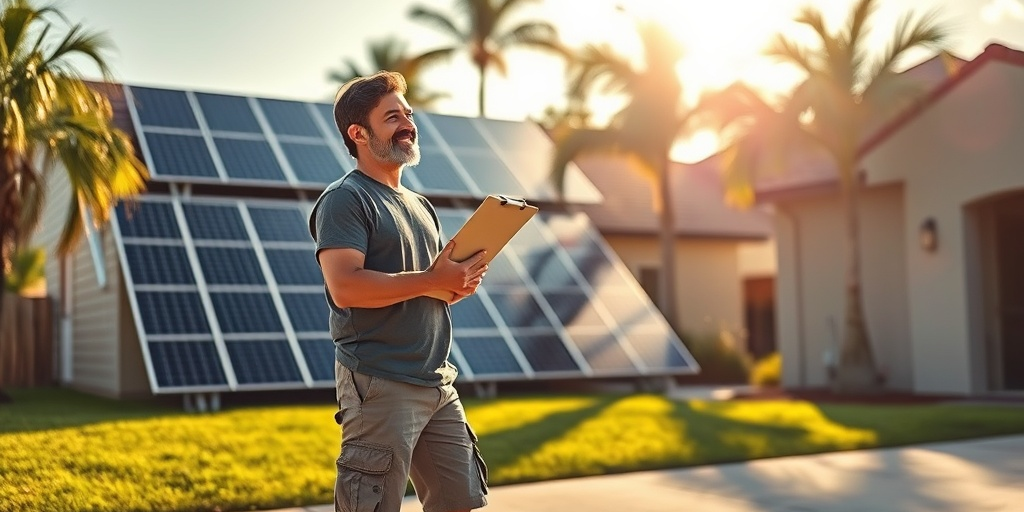
As the sun rises in the Florida sky, it’s hard not to feel the promises of a brighter future—especially when it comes to renewable energy. Did you know that the average Florida homeowner can save up to 25% on their energy bills by switching to solar power? However, an insidious myth persists, clouding the minds of potential solar adopters: the notion that residential and commercial solar systems are the same. This misconception not only dampens enthusiasm but can lead homeowners and business owners alike to miss out on significant savings and suitable solar solutions tailored for their unique needs. In this blog post titled Myth: Residential vs Commercial Solar Systems Are the Same, we will unveil the crucial distinctions between these two solar systems and explore what that means for your solar savings in 2025.
As solar energy continues its meteoric rise, with deployment expected to grow by over 20% annually, understanding what makes commercial systems different from residential ones is essential for homeowners and business owners in Florida (Energy.gov). Additionally, as traditional energy sources become increasingly unstable and expensive, it becomes all the more urgent to grasp the right solar solutions for your specific context. In this journey, we will explore five key sections:
1. Unpacking the Differences: A Closer Look at Residential vs Commercial Solar Systems
2. Essential Steps to Going Solar
3. Debunking Common Myths About Solar Systems
4. Florida-Specific Insights and Data
5. Your Action Plan: How to Get Started with Solar in 2025
Join us as we delve deeper into the world of solar energy and ensure you distinguish fact from fiction, arming yourself with the knowledge required to optimize your energy savings. Let’s illuminate the truth behind the myth!
Unpacking the Differences: A Closer Look at Residential vs Commercial Solar Systems
Firstly, it’s paramount to understand what sets residential and commercial solar systems apart. Imagine Jake, a typical Florida homeowner, who recently decided to invest in solar energy. Jake learned that the solar panels he needs for his home differ vastly from what is suitable for a commercial establishment like a local grocery store. In fact, Jake’s system, designed for residential energy needs, typically features smaller solar panels, fewer panel arrays, and a streamlined installation process. Meanwhile, a commercial installation requires scaling up in terms of both size and technology to meet greater energy demands.
To clarify these distinctions, here’s an actionable checklist:
- Scale of Energy Consumption: Residential systems cater to lower energy needs, while commercial systems are designed to handle hundreds of kilowatts, significantly larger than that of typical homes.
- System Design: Residential installations often come with standard solar panels; commercial systems incorporate advanced technologies like more robust inverters and batteries to maximize efficiency.
- Incentives and Rebates: Florida homeowners may qualify for various incentives, while commercial properties can avail themselves of certain energy tax credits and rebates that differ from residential offerings.
- Installation Approach: Installation times can differ, with commercial setups typically taking longer due to regulations, zoning permissions, and a more extensive workforce.
- Grid Connection: Commercial installations are often connected to the grid in a way that enables them to sell excess energy back, while residential setups may simply use it directly for personal consumption.
Myth #1: Residential and commercial solar systems are identical.
This common misconception can lead homeowners like Jake to underestimate the specific needs and benefits of their solar investments. Research conducted by the U.S. Department of Energy revealed that while both systems convert sunlight into electricity, the scale and technology employed in commercial setups far surpasses residential capacities (NREL.gov).
In addition, a key point is the local focus of installation practices. As the Solar Energy Industries Association (SEIA) points out, Florida boasts one of the most dynamic solar markets in the nation, with unique incentives packaged specifically for both residential and commercial solar users (SEIA.org). This leads to a significant contrast in potential savings and system longevity, unlocking different specialist resources for both sectors.
Now that we’ve dissected the crucial elements distinguishing these systems, let’s transition into the nuances of energy consumption and its implications for both residential homeowners and commercial entities. Understanding these differences is vital as you analyze your own energy consumption patterns in pursuit of optimized savings.
Essential Steps to Going Solar
The process of transitioning to solar energy may seem daunting, but understanding the steps specific to your situation can set you on the right path. The good news is that whether you’re a homeowner or running a business, the journey begins the same way: with strategic planning and informed decisions. Here’s how to navigate the steps relevant to your solar journey.
Step 1: Audit Your Electric Bill
Start by reviewing your electric bill to understand your current energy consumption. Look at your peak usage times and any additional fees that might inflate your costs. For residential customers in Florida, this can help pinpoint where significant savings could be achieved.
Step 2: Identify Your Solar Needs
Based on your previous bill assessment, determine which solar system type (residential or commercial) best meets your needs. Remember, each has different characteristics, and tailoring them to your consumption rate is crucial.
Step 3: Research Local Incentives
Explore incentives available to Florida residents or business owners. Florida currently offers a sales tax exemption and various rebate programs designed specifically for solar energy investments, which can significantly offset setup costs.
Step 4: Compare Installation Companies
Not all solar companies are created equal! Compare several bids, focusing on reviews and expertise with the specific type of system you require. Some companies may specialize in residential setups, while others may have extensive commercial experience.
Step 5: Plan for Maintenance and Monitoring
Consider how you would monitor the system’s performance long-term. Many new solar installations come with software and hardware to monitor efficiency and energy production, but always check the reliability of your chosen provider’s after-sales service.
Equipped with this checklist, you can now comprehensively approach your solar project without feeling overwhelmed. Remember, the more informed you are, the more effectively you can maximize your solar savings.
As we continue, let’s address some overlooked myths regarding solar systems and provide clarity for homeowners in Florida pursuing energy independence.
Debunking Common Myths About Solar Systems
Solar energy is rapidly evolving, so it’s not surprising that several myths have surfaced along the way. Let’s systematically untangle these misconceptions, one by one.
Myth #2: Solar Panels Are Too Expensive to Install.
Many people believe solar systems are prohibitively expensive. However, as costs have dropped by over 80% in the past decade, Florida homeowners and commercial property owners can take advantage of numerous financing options available (SEIA.org). Grants, rebates, and even $0 down financing plans make solar accessible to many households.
Myth #3: Solar Energy Isn’t Reliable.
Contrary to this myth, solar panels work efficiently on cloudy days, and advancements in energy storage allow for solar power to be utilized even when the sun isn’t shining. In Florida, net metering laws enable users to draw from the grid, ensuring constant access to energy (SolarReviews.com).
Myth #4: You Need to Own Your Home to Go Solar.
While it’s true that homes typically use solar panels, renters can also access solar energy. Community solar projects allow Floridians to buy into energy produced remotely, which shifts the focus away from homeownership.
Myth #5: All Solar Systems Are Created Equal.
As discussed earlier, residential and commercial solar systems have fundamental differences in design, performance, and implementation. This misunderstanding can’t be understated, especially for individuals lacking knowledge about the technology involved in solar energy systems.
Now more than ever, it is crucial to eliminate these myths as they can hinder your journey toward lowering electric bills and maximizing your energy efficiency. In the following section, we will provide some compelling Florida-specific data to support your solar advantage and hopefully inspire you to take the final plunge!
Florida-Specific Insights and Data
As the Sunshine State, Florida holds considerable promise for solar energy development. In fact, according to recent research, Florida ranks second only to California for total installed solar capacity, with over 5,000 megawatts of solar generation capacity established for public use (DSIREUSA.org). This not only fosters a vibrant solar market but illustrates the potential for significant financial return on investment for both residential and commercial entities.
Consider these compelling factors when evaluating your solar options:
- Extended Sunshine Hours: Florida enjoys an average of over 237 sunny days each year, resulting in optimal conditions for solar generation.
- No State Income Tax: In Florida, you won’t pay state income tax, positioning you to put more money directly into your solar investment rather than tax obligations.
- Local Incentives: Homeowners can avail themselves of various rebates and federal credits aimed solely at boosting solar energy use, making it more affordable than ever.
- Robust Growth Potential: The Florida solar market is projected to grow consistently, aligning with the overall surge in solar adoption across the United States (Energy.gov).
These unique advantages emphasize why investing in solar energy could be a game-changer for Florida homeowners and commercial property owners alike. Now that we’re armed with knowledge and localized data, let’s pivot into the actionable steps you need to take as you pursue solar energy in 2025.
Your Action Plan: How to Get Started with Solar in 2025
Step one of your solar journey requires a thorough understanding of how to navigate the installation process effectively. With proper planning and the right educational resources, you can pave your way toward a greener future with solar energy. Here’s how:
Step 1: Conduct a Comprehensive Energy Assessment
Examine your home’s energy consumption patterns and future energy needs. Be sure to include appliances, heating and cooling systems, and space requirements into your assessment.
Step 2: Research Financing Options
Investigate various financing options that may align with your budget. Options include solar loans, leases, and power purchase agreements (PPAs), which allow you to pay for energy produced without hefty upfront costs.
Step 3: Check Local Regulations and Permits
Make sure that you review zoning laws, regulations, and necessary permits for solar installation in your area. Florida’s Department of Environmental Protection is a great resource for up-to-date legal requirements.
Step 4: Choose the Right Installer
Go for local solar installation companies with positive reviews and proven track records in either residential or commercial sectors, depending on your needs. A reputable provider will guide you in selecting the right solar panel types, inverter systems, and maintenance options.
Step 5: Installation and Monitoring
Finally, scheduling the installation comes next, alongside a monitoring system that allows you to track energy production and savings. Many modern systems have built-in monitoring technology that connects to your smartphone for easy access.
With your checklist in hand, you can confidently take the next steps in your solar journey. Remember that transitioning to solar energy is a real investment in your future and set to yield tremendous long-term benefits!
Finally, let’s wrap everything up and summarize the key insights from our exploration of solar energy.
Conclusion
In a world increasingly focused on sustainability and energy independence, understanding the differences between residential and commercial solar systems is vital for making informed decisions as a Florida homeowner or business owner. As we’ve discussed throughout this blog, the myths surrounding solar energy can lead to significant missed opportunities for savings and efficiency. Embracing the unique aspects of each system allows you to tailor your solar approach effectively, positioning you for optimal performance and financial return.
As you stand at the threshold of this exciting decision, remember the impact that embracing solar energy can have on your monthly bills, energy independence, and the overall sustainability of Florida’s ecosystem. With energy costs projected to rise, now is the time to act.
Are you ready to start your solar journey in 2025? Don’t hesitate to connect with a certified expert at floridaelectricandsolar.com today and take control of your energy future!
Related Articles
More insights about Solar Systems

In-Depth Analysis of Grid-Tied vs Off-Grid Solar Systems

Myth: Residential Solar Systems Don’t Offer Real Savings

A Deep-Dive Into Grid-Tied vs Off-Grid Solar Systems
Ready to Go Solar?
Have questions about solar energy? Our experts are here to help you make the switch to clean, renewable energy.