
Expert Insight: Maximizing Solar Panel Lifespan for Your Investment
Share:
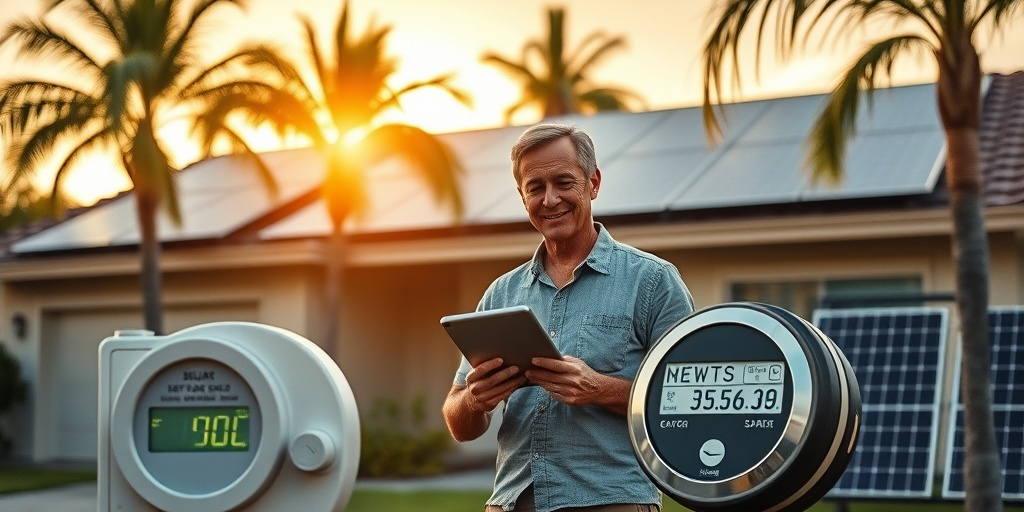
Imagine this: you’ve finally made the leap to solar energy, envisioning both the immediate savings and long-term benefits. Yet, like any significant investment, it’s natural to question how to ensure you’re getting the most out of your solar panels—after all, they have a lifespan of about 25 years! According to recent findings, the solar industry is booming in Florida, with a remarkable 25% increase in solar adoption in just a year (SolarReviews.com). However, many homeowners overlook an essential aspect of their solar journey: maintaining those panels effectively. In the article titled Expert Insight: Maximizing Solar Panel Lifespan for Your Investment, we’ll guide you on crucial strategies to enhance the longevity of your solar panels while understanding why this is particularly vital in 2025. With rising energy costs and an uncertain grid, the urgency for sustainable solutions has never been greater. In this post, we’ll delve into five key sections: we will start with an emotional case study highlighting the solar journey of a Florida homeowner, proceed with a concise checklist to track vital maintenance tasks, debunk common myths surrounding solar panel lifespan, discuss local data that emphasize Florida’s unique solar needs, and finally, dive into a technical deep-dive on solar technology. Stick around as we empower your solar investment!
Understanding the Lifespan of Solar Panels: A Deeper Dive
When it comes to solar panels, understanding the factors that contribute to their longevity is vital. Take, for instance, the story of Carla, a Florida homeowner who, like many, initially considered going solar for savings alone. After researching, she learned that maintenance plays a critical role in extending the lifespan of her investment. Carla took actionable steps that not only maximized her solar savings but also ensured her panels remained efficient for years to come.
- Regular Cleaning: One of the simplest yet most impactful strategies is to keep your panels clean. Dirt, dust, and debris can significantly reduce efficiency. Carla scheduled a cleaning every six months, leading to a noticeable 15% increase in energy production during peak seasons.
- Shade Management: Carla learned that overhanging tree branches could cast shadows on her panels, which could diminish output. By maintaining her garden and trimming trees, she ensured that maximum sunlight reached her installation.
- Inverter Maintenance: The inverter is a crucial component of the solar system. Regular checks, as Carla discovered, can prevent larger issues down the road. She set reminders to have her system inspected annually, which included checking the inverter’s performance.
- Professional Inspections: Engaging professionals offers peace of mind. Carla chose a local solar company, which provided a detailed analysis of her system, ensuring everything was up to date. Local services can often tailor their practices considering Florida-specific weather conditions.
- Monitoring System Performance: Carla invested in a monitoring system to keep track of her energy production. This allowed her to spot any dips in performance early and act immediately—something Florida homeowners should prioritize since energy rates are climbing.
Additionally, there are myths surrounding the lifespan of solar panels that deserve clarification. For instance, some believe that solar panels lose efficiency on cloudy days, whereas research indicates that they can still produce energy even with limited sunlight (Energy.gov). Another myth suggests solar panels require constant upkeep, yet many systems, when installed properly, can function efficiently with minimal maintenance. It’s essential for Florida homeowners to differentiate fact from fiction to truly maximize their solar investments. This proactive approach not only helps in maintaining system efficiency but also preserves the longevity and sustainability of solar technology in Florida’s vibrant energy landscape.
Essential Maintenance Steps for Maximizing Solar Panel Lifespan
Maintaining your solar panels does not have to be intimidating. Here’s a concise checklist that you can follow to maximize the lifespan of your solar investment:
- Step 1: Perform a visual inspection at least once a month. Check for any visible dirt buildup, shading elements, or physical damage.
- Step 2: Schedule professional cleanings bi-annually. Depending on your area, dust, pollen, or bird droppings can accumulate quickly, affecting efficiency.
- Step 3: Trim any trees or plants that might obstruct sunlight. This is crucial considering Florida’s lush foliage, which can quickly grow and impact solar efficiency.
- Step 4: Annual inverter check-ins should be scheduled. Knowing when to replace or repair your inverter can save costs and maintain system longevity.
- Step 5: Invest in monitoring systems if your budget allows it. Real-time monitoring can alert you to sudden performance drops, giving you critical information before the issue worsens. Learn more at floridaelectricandsolar.com.
By adhering to this maintenance checklist, Florida homeowners can ensure their solar installations maintain optimal performance over the years. Each step proactively safeguards your investment, allowing for peace of mind and a clear trajectory toward sustainable energy independence. The importance of vigilance is magnified in 2025 as solar innovations continue to evolve. Now, let’s tackle some widespread myths that might lead to misconceptions about solar panel longevity.
Myths Surrounding Solar Panel Lifespan: Debunking Common Misbeliefs
Myth #1: Solar panels stop producing energy at night. This is entirely false! Solar panels generate electricity solely during daylight hours; thus, there is no energy production after sunset. However, this does not mean that your savings disappear, as battery storage systems can retain energy generated during the day for nighttime use.
Myth #2: All solar panels are created equal. This is a common misconception. While there are various types of solar panels available, their efficiency rates can vary significantly. Homeowners should carefully assess energy needs and seek out quality products to ensure optimal performance for years.
Myth #3: Maintenance is time-consuming and costly. While some maintenance actions can take time, many checks are quick and straightforward, especially with regular visual inspections and cleaning. Local solar companies often provide packages for routine maintenance that can be quite cost-effective.
Myth #4: Solar panels only work in sunny conditions. In truth, solar technology can function effectively even under cloudy skies, although their output may be reduced. In Florida, the abundant sunshine greatly enhances the efficiency of solar panels, but underperformance in overcast weather is not an uncommon occurrence.
Myth #5: Once installed, solar panels require no further action. Contrary to this belief, regular maintenance and occasional checks for performance are key to maximizing your system’s lifespan. Understanding this point is crucial for homeowners in Florida as they adapt to the evolving energy landscape.
Armed with this knowledge, you can now make informed decisions about your solar sales and maintenance strategy. Don’t let myth-based decisions lead to underperforming or costly systems. Next, we will explore the local impact within Florida, providing data and insights that underline the importance of these practices.
Solar Energy in Florida: Local Data Highlights
Solar energy has become increasingly relevant to Floridians, not just for individual savings but also as part of a larger environmental commitment. With the Sunshine State’s ample sunlight, homeowners stand to gain tremendously, but local peculiarities also dictate the best solar practices.
According to recent data, Florida ranks third in the nation for solar energy capacity. In fact, the state has installed over 18.6 gigawatts of solar capacity, which is enough to power nearly 3 million homes (SEIA.org). With such a robust foundation, it’s necessary to leverage these advancements through upkeep, ensuring your panels are operating at maximum efficiency.
- Hurricane Preparedness: The presence of extreme weather, particularly hurricanes, requires proactive strategies for securing solar panels. This may include braces, proper positioning, or removal during peak storm seasons.
- Incentives for Homeowners: Florida has implemented a variety of tax credits and incentives designed to make solar panel installations more accessible. Understanding these can influence purchasing and maintenance decisions.
- Growth in Local Solar Installations: The installation of solar systems has created several job opportunities, stimulating Florida’s economy. Many companies also focus on solar efficiency enhancements tailored to local climate conditions.
- Innovations in Solar Technology: Florida’s solar industry is at the forefront of innovation, adapting and improving technologies that enhance energy output, while promoting sustainable practices in maintenance.
The above points illustrate the direction of solar energy in Florida and underscore the need for ownership and maintenance to keep systems efficient. In such an environment, solar panel longevity can significantly contribute to a sustainable future and lower energy bills. In our final section, we will provide an actionable roadmap for all prospective Florida solar buyers as they plan for 2025.
Next Steps for Florida Solar Buyers in 2025
As we anticipate the landscape of solar energy evolving further, here is an actionable step-by-step plan designed to prepare you for your solar journey:
- Step 1: Audit Your Current Energy Bill. Understanding your energy consumption will help determine your solar needs and potential savings.
- Step 2: Research Local Installers. Ensure reliable, experienced, and knowledgeable professionals are committed to quality installations—review customer testimonials and ask for credentials.
- Step 3: Evaluate Incentives and Financing Options. Take the time to explore local or state-level incentives that can ease your upfront costs.
- Step 4: Schedule a Home Inspection. Before installation, have a professional assess your property for optimal solar panel placement, ensuring peak efficiency and performance.
- Step 5: Regular Follow-Ups and Maintenance Checks. After you go solar, set reminders for ongoing inspections, cleaning, and maintenance to maximize your investment. Learn more at floridaelectricandsolar.com.
By following these steps, Florida homeowners can position themselves for success in the solar landscape of 2025 and beyond. By emphasizing thorough preparation and informed decisions, you’ll make a valuable investment that offers returns in savings and energy independence.
As we conclude our exploration of maximizing solar panel lifespan, it’s vital to recognize the broader implications of your journey. Investing in solar energy is not simply about reducing bills; it’s about ensuring a sustainable energy future for you, your loved ones, and the planet. The urgency of transitioning to solar power has never been more pronounced, especially as energy costs continue to soar and climate concerns intensify.
Ready to start your solar journey in 2025? Connect with a certified expert at floridaelectricandsolar.com today.
Related Articles
More insights about Solar Panel

Florida Homeowners: Why Solar Panel Maintenance Is Essential

7 Essential Steps for Solar Panel Installation Success

Expert Insights: Key Factors Influencing Solar Panel Lifespan
Ready to Go Solar?
Have questions about solar energy? Our experts are here to help you make the switch to clean, renewable energy.