
Beginner’s Guide to Solar Panel Maintenance for New Owners
Share:
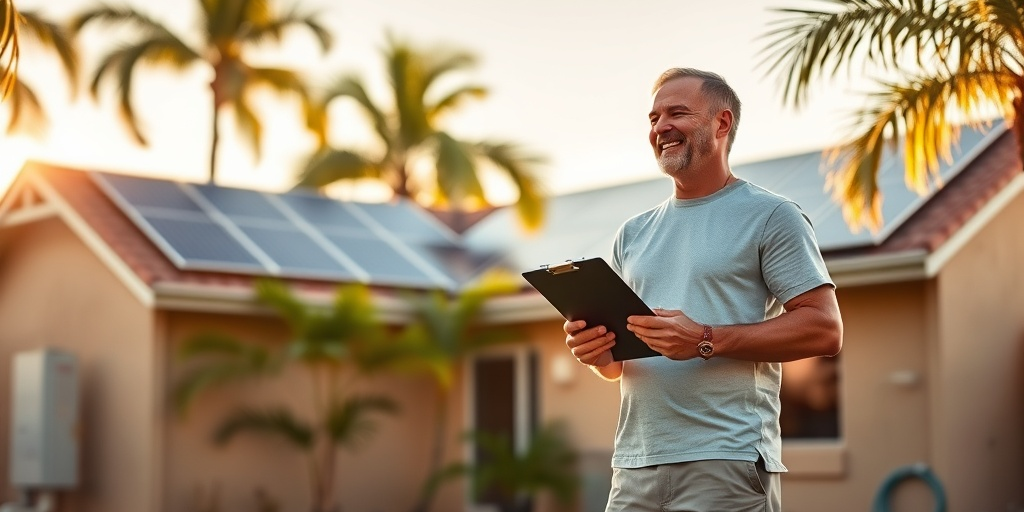
Imagine standing in your backyard, the Florida sun shining down on your newly installed solar panels, knowing that you’re not only saving money but also contributing to a sustainable future. In 2025, this idyllic scene is not just a dream—it is becoming a reality for many Florida homeowners eager to cut their electric bills and harness the power of the sun. In the Beginner’s Guide to Solar Panel Maintenance for New Owners, we will explore essential tips to maximize efficiency and ensure long-lasting performance. Did you know that, according to the Solar Energy Industries Association, solar photovoltaic installations in the U.S. have grown by over 150% in the last five years (SEIA.org)? Furthermore, with Florida’s vast solar potential paving the way for more installation incentives, now is the time to understand how to properly maintain your system. This topic matters more than ever due to rising energy costs and increasing demand on the grid. In the following sections, we will deep dive into pertinent maintenance practices, bust myths surrounding solar upkeep, share local-focused tips, examine common pitfalls, and outline a straightforward action plan for every new solar owner.
Understanding the Basics of Solar Panel Maintenance for New Owners
As a new solar panel owner, you might feel a mix of excitement and apprehension. You have made a smart investment, but how do you ensure you’re nurturing it properly? Let’s take the story of local Florida homeowner, Jane. After realizing her electric bill was ballooning by an alarming 20% year-over-year, she decided to go solar last spring. With Florida Electric & Solar’s help, Jane transformed her energy expenses, but she faced challenges when it came to maintenance. Jane quickly learned that keeping her system clean and understanding warranty terms are key to preserving her investment. For those following in her footsteps, here’s a starter guideline:
- Routine Cleaning: Regularly remove leaves and dirt. A garden hose will suffice, but avoid harsh chemicals. Target dirt, especially after rain, for safety and optimal performance.
- Monitor Performance: Install a monitoring system to keep an eye on energy production. Any sudden drop in output could signal an issue.
- Inspect for Damage: Quarterly, inspect panels for cracks, scratches, or debris accumulation. Address any problems immediately to avoid costly repairs.
- Check the Inverter: The inverter is the heart of your solar system. Ensure its lights indicate it’s functioning correctly. If you notice a red light or other issues, call your installer.
- Schedule Professional Maintenance: Once a year, hire a professional to perform a thorough check-up of the entire system. Their expertise will ensure everything is operating as it should.
In this process, it’s crucial to tackle some common misconceptions. One is that solar panels are maintenance-free; while they require less upkeep than traditional systems, they are not entirely free of it. Additionally, many believe installing panels guarantees flawless performance. Energy generation can fluctuate due to shade or other environmental factors; hence monitoring is essential.
Lastly, in Florida, specific conditions such as humidity and harsh weather patterns might impact solar performance over time. Florida ranks among the top states for solar power potential, with about 8,587 MW of installed solar capacity as of 2022 (Energy.gov). Understanding how these factors affect your system is vital for sustainability and performance. By staying proactive, you can extend the lifespan of your panels and maximize energy production.
Checklist for Efficient Solar Panel Maintenance
Understanding solar panel maintenance can be daunting, but having a clear checklist simplifies the process. Follow these five streamlined steps to maintain your system effectively:
- Step 1: Audit Your Electric Bill
Start by reviewing your electric bills before and after solar installation to understand your savings and develop a baseline. - Step 2: Schedule Seasonal Cleaning
In Florida, dust and pollen can accumulate quickly. Plan cleanings after the rainy season in summer when solar production peaks. - Step 3: Keep an Eye on Weather Forecasts
Prepare for storms by inspecting panels pre- and post-storm, clearing any debris that may have accumulated. - Step 4: Update Your Warranty Information
Ensure you’re informed about your manufacturer’s warranty and service policies. Most warranties cover a specific duration, and knowing the fine print can save you surprises later. - Step 5: Harvest Local Resources
Consider investing in local services, like those from Florida Electric & Solar, to help with cleaning and maintenance.
By following these steps, you can streamline your maintenance process and safeguard your investment. Regular oversight is key, and developing an easy-to-follow checklist allows you to remain focused on enhancing your solar experience.
Myths About Solar Panel Maintenance—Busted!
In every sector, myths can hinder a successful venture. Solar panel maintenance is no different. Here are some prevalent misconceptions debunked:
- Myth #1: Solar Panels Don’t Need Cleaning
Many assume panels will keep themselves clean. However, dirt, bird droppings, and debris can accumulate, especially in coastal areas. Regular cleaning is crucial for efficiency. - Myth #2: There’s No Need for Professional Help
While basic upkeep can be DIY, having a professional contractor inspect your system yearly can significantly enhance efficiency and longevity. Their expertise is irreplaceable. - Myth #3: It’s Cheaper to Ignore
Neglecting maintenance can lead to costly repairs or declines in power production. Investing time and effort in maintenance pays off in dividends. - Myth #4: Solar Panels Are Not Effective in Cloudy Conditions
While sunlight is optimal, solar panels still generate energy on cloudy days. In fact, many installations in Florida benefit from diffused light and ambient conditions. Fully understand your system’s capabilities. - Myth #5: Manufacturer Warranties Cover Everything
Warranties often exclude certain damages and require specific maintenance routines. Read the fine print and stay informed.
As a new customer, being aware of these myths can save you frustration and expenses down the line. Knowledge is power when it comes to solar ownership.
Best Practices for Solar Panel Longevity in Florida
When it comes to ensuring your panels perform at their peak, adopting best practices is crucial. Below are several expert tips for Florida homeowners in 2025:
- Positioning is Key: Panels should ideally face south at a 30 to 40-degree angle to capture sunlight efficiently throughout the day, especially during the cooler months.
- Monitor Shade Impacts: Take note of trees and other structures that could cast shadows on your panels. If you notice shading, consider trimming branches or consulting a landscaping expert to optimize panel exposure.
- Maintain Battery Health: If your solar system includes battery storage, routinely check its health and functionality. Batteries have specific care requirements, and maintaining optimal conditions is essential for reliability.
- Take Advantage of Financial Programs: Florida offers various incentives for solar installation and maintenance. Stay current with policies, rebates, or tax credits through local state resources.
- Foster Local Community Engagement: Join or consult local solar clubs/groups for tips and insights. Online forums or community pages can provide valuable success stories and tips.
Implementing these best practices will optimize system performance, boost savings, and prolong the life of your solar investment.
Next Steps for Florida Solar Buyers in 2025
As you embark on your solar journey in 2025, here’s a streamlined action plan to ensure your success:
- Step 1: Conduct Your Research
Understand and review the different solar panel systems available to you. Compare brands and technologies that best fit your lifestyle. - Step 2: Schedule Installation with a Trusted Provider
Choose an installer with a solid track record and positive reviews from previous customers. Verify their certifications and warranties. - Step 3: Evaluate Your Roof
Ensure your roof is in excellent condition. If it requires repairs, consider carrying out those before the installation. - Step 4: Set up Your Monitoring System
Choose between performance monitoring tools and apps to measure efficiency, savings, and troubleshooting capabilities. - Step 5: Stay Educated!
Keep learning about solar energy and maintenance. Check out reliable sources like floridaelectricandsolar.com for insights and updates.
This checklist provides a clear roadmap for new solar owners. Taking these steps seriously and proactively leads to better energy efficiency, cost savings, and overall satisfaction with your system.
By following the regimen outlined in the Beginner’s Guide to Solar Panel Maintenance for New Owners, you’re setting yourself up to enjoy significant savings and energy independence. Transitioning to solar energy is not just about minimizing costs; it’s about future-proofing your family’s power needs and contributing to a sustainable planet. Stay proactive, educated, and engaged in your solar journey, and you will reap the benefits for years to come.
Ready to start your solar journey in 2025? Connect with a certified expert at floridaelectricandsolar.com today.
Related Articles
More insights about Solar Panel

Florida Homeowners: Why Solar Panel Maintenance Is Essential

7 Essential Steps for Solar Panel Installation Success

Expert Insights: Key Factors Influencing Solar Panel Lifespan
Ready to Go Solar?
Have questions about solar energy? Our experts are here to help you make the switch to clean, renewable energy.