
5 Steps to Understand Solar Panel Installation Costs
Share:
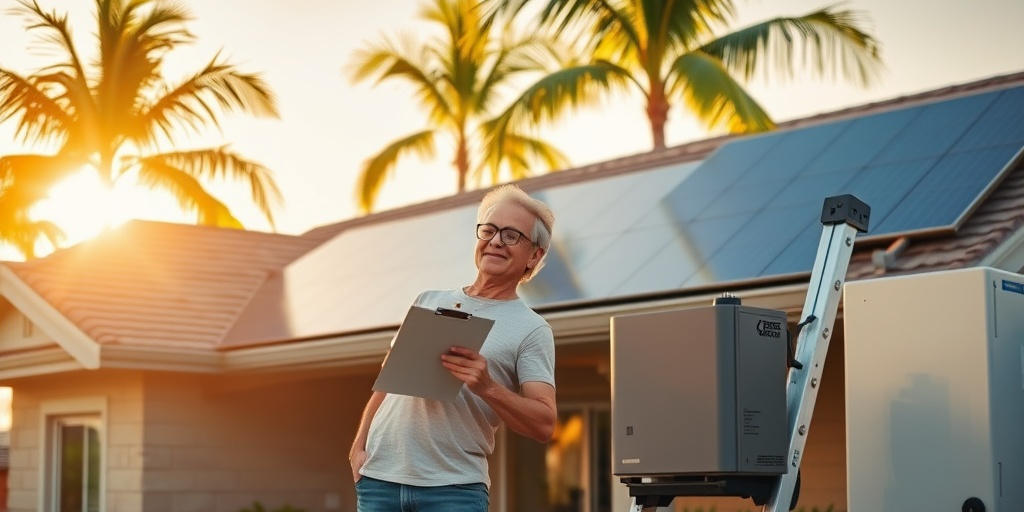
Imagine receiving your electric bill and instead of feeling anxiety, you feel empowerment, knowing you’ve harnessed the sun’s energy and significantly cut your costs. As Florida homeowners weigh the decision to go solar, understanding the costs of solar panel installation becomes paramount, especially in 2025, as energy prices continue to rise. In fact, according to the Solar Energy Industries Association (SEIA), solar energy has increased by 167% since 2016, showcasing its value and effectiveness. Additionally, the National Renewable Energy Laboratory (NREL) reports that solar panels can decrease electric bills by up to 90%, making them a worthwhile investment. In this article, titled 5 Steps to Understand Solar Panel Installation Costs, we present an essential checklist that will clarify key cost factors and strategies. This topic is especially urgent now due to new solar incentives and impending changes to energy regulations. Stick with us as we break down crucial elements into five sections: a case study on solar savings, a detailed checklist for installation costs, common myths about solar financing, a focused look at local factors specific to Florida, and an in-depth analysis of technical aspects you’re sure to encounter. By the end of this article, you’ll be equipped with the knowledge to make informed decisions about your solar investment, ensuring that you save money while owning your energy.
Understanding Solar Installation Costs: A Case Study of Florida Homeowners
Meet Judith and Tom, a retired couple living in Sarasota, Florida, who decided in 2022 that they wanted to reduce their utility bills and support sustainable energy. After hearing some friends rave about their new solar systems, Judith and Tom started their journey by researching solar panel installation costs. They quickly discovered that understanding these costs is not just about the price tag—it’s about evaluating long-term savings, environmental benefits, and financial incentives. Over just a few weeks, the couple realized that solar power could save them upwards of $150 monthly on their electric bills, which is substantial given Florida’s climate and energy rates.
As of 2025, Florida homeowners can expect to see a few critical factors influencing their installation costs:
- Panel Type: Depending on whether they choose monocrystalline, polycrystalline, or thin-film panels, prices vary significantly. Monocrystalline, while more expensive upfront, can provide better efficiency and longevity.
- Installation Complexity: The layout of your roof can affect installation costs. A complex roof design may require more labor and materials.
- State Incentives: Florida now offers rebates and tax credits for solar installations. This can drastically reduce upfront costs. For instance, the Federal Investment Tax Credit (ITC) allows homeowners to deduct 26% of their installation costs from their federal taxes (Energy.gov).
Judith and Tom took these elements into account and regained their confidence in investing in solar energy. By using solar financing options, they secured a low-interest loan, facilitating their new system installation without breaking the bank. After going solar, they not only reduced their monthly electricity bills but also contributed positively to the planet.
As you evaluate solar panel installation costs, consider these questions that Judith and Tom tackled as they navigated their journey:
- What type of solar panels best suit my home?
- What incentives can help minimize upfront costs?
- How can I maximize my monthly savings over time?
Ultimately, the case study of Judith and Tom highlights the emotional and financial benefits of understanding solar installation costs. Their willingness to educate themselves enabled them to make an empowered choice. Ready to perform your own research? We will continue with a checklist that breaks down the exact costs involved in solar installation.
5 Steps to Understand Solar Panel Installation Costs: A Detailed Checklist
To successfully navigate the landscape of solar panel installation costs, it’s essential to create a structured approach that assesses your situation comprehensively. Below are five key steps to ensure you gather the necessary information before committing to solar energy.
-
Step 1: Assess Your Energy Needs
Start by reviewing your electricity bills from the past year. Calculate your average monthly consumption in kilowatt-hours (kWh). Understanding your energy needs is crucial because this will dictate the size of the solar system you’ll require.
-
Step 2: Research Solar Panel Prices
After determining your energy requirements, it’s time to dive into the world of solar panels. Prices can vary widely based on brand, efficiency, and type. For instance, as of 2025, the average cost of solar panel installation in Florida is approximately $2.75 to $3.50 per watt (SEIA.org).
-
Step 3: Evaluate Installation Costs
Installation costs can differ based on several factors including labor, roof type, and panel technology. Typically, labor accounts for around 10-20% of the installation cost. Always request multiple quotes from local solar providers to ensure you get the best deal.
-
Step 4: Explore Financing Options
Study various financing options available to Florida homeowners. From cash purchases to solar loans and leases, understanding different methods allows you to choose what works best for your budget. Many providers also offer zero-down options which simplify the financial aspects greatly.
-
Step 5: Examine Local and State Incentives
Keep an eye on local incentives that can reduce installation costs significantly. In Florida, a property tax exemption for renewable energy systems and the aforementioned Federal ITC can greatly enhance your savings. Effective policy changes can alter the financial landscape, so staying informed is key.
By following these five steps, you will not only grasp the associated costs but you will also empower yourself to make well-informed decisions leading into 2025 and beyond. Remember, investing in solar energy doesn’t just impact finances; it impacts the future of our planet.
Common Myths About Solar Costs: Busted!
Despite the numerous benefits that solar energy brings, common myths linger that can deter homeowners from making the switch. Below, we tackle five prevalent misconceptions about solar panel installation costs.
-
Myth #1: Solar Is Too Expensive Upfront
Many homeowners wrongly believe that going solar is prohibitively expensive. However, with financing options and federal and state incentives, the initial costs can be drastically reduced. In some cases, homeowners may see return on investment in as little as 5 years.
-
Myth #2: Solar Panels Decrease Home Value
A common notion is that solar panels lower a home’s value. Conversely, homes equipped with solar panels can increase property values by 4.1% on average, according to various studies (SolarReviews.com). Buyers today are actively looking for energy-efficient properties, making solar an investment in the future.
-
Myth #3: Solar Panels Don’t Work in Cloudy Weather
While solar energy production does decrease on overcast days, panels can still produce electricity. In fact, some studies show that Florida, with its ample sunshine, remains one of the best states to harness solar energy effectively.
-
Myth #4: You Can’t Go Solar Without a Big Roof
Even if you have a smaller roof or a less-than-ideal orientation, options like solar shingles or community solar programs can still allow you to harness solar energy.
-
Myth #5: Government Programs Are Not Available
Many Florida residents underestimate the benefits of the numerous state and federal programs available. It’s essential to check for rebates and tax credits that can dramatically lower your upfront investment. By 2025, more local programs may be on the horizon as well.
By debunking these myths, homeowners can regain clarity and confidence, enabling them to embrace solar energy as a practical solution for both cost-savings and sustainability. The conversation is changing, and with new policies and technologies emerging, it’s worth keeping an open mind.
Florida-Specific Factors Impacting Solar Installation Costs
Solar panel installation costs in Florida are influenced by various local factors that every prospective solar buyer should consider. Understanding these unique elements can further enhance your decision-making process.
Florida boasts one of the most advantageous environments for solar energy due to its sunny disposition and favorable policies. Below are local factors to consider:
- Net Metering: Florida’s net metering policies allow homeowners to receive credits for excess energy they produce, which can offset future electric bills. This can significantly enhance overall savings (NREL.gov).
- State Regulations: Familiarize yourself with local permitting and building codes. These can affect the installation timeline and associated costs. Certain counties may have specific requirements that add to or reduce costs.
- Utility Rates: Florida utilities have varying rates, so understanding your specific utility costs will give you a clearer perspective on how much you can save with solar.
- Local Incentives: In addition to federal credits, local municipalities may have their own rebates for solar installations. Always check for the latest offers as they can change frequently.
Lastly, consider the local climate and any potential weather challenges. Florida is prone to hurricanes and storms which may affect your solar array’s design. Partnering with a local solar company can ensure your system adheres to the best practices for resilience against extreme weather.
By focusing on Florida-specific factors, you can accurately assess your installation costs and maximize the benefits of going solar.
Your Technical Deep-Dive into Solar Installation Costs
Understanding the intricate details surrounding solar installation costs can significantly affect your bottom line. In this technical deep-dive, we will analyze essential components that shape your investment.
The costs of solar panel installations primarily break down into the following elements:
- Solar Panels: The core components of your solar system, with prices typically comprising 40-50% of the total installation cost. The efficiency and longevity of the panels can impact costs greatly.
- Inverters: These devices convert solar energy into usable electricity. String inverters and microinverters come with different price points and efficiency ratings. Expect these to cost about 10-15% of your overall solar system costs.
- Mounting Systems: Depending on your roof’s design, mounting systems can add about 10% to your total costs. These help secure your panels adequately, ultimately influencing long-term performance and durability.
- Labor Costs: Labor typically represents 10-20% of the total installation costs. Skilled solar installers ensure efficient system setup, compliance with regulations, and a reliable connection to the grid.
- Permitting and Inspection Fees: These can add another 5-10% to your overall installation cost, depending on local fees. Always factor these in when evaluating your full solar budget.
Each aspect requires careful consideration, as the composition of your solar system will directly influence installation costs as well as optimal performance. Understanding these elements provides homeowners with the insight to select the right configurations for their needs and preferences.
Next Steps for Florida Solar Buyers in 2025
Now that you’ve learned about cost components, incentives, and common concerns around solar installations, it’s time to take action. Follow these key steps to streamline your process and ensure that you make the most of your solar investments:
-
Step 1: Audit Your Electric Bill
Understand your current energy usage and monthly expenses. This provides a practical baseline for evaluating potential savings.
-
Step 2: Research Local Solar Companies
Request quotes from multiple providers in your area. This allows you to compare services, warranties, and financing options effectively.
-
Step 3: Schedule a Site Assessment
Have a professional conduct a site assessment to evaluate your energy needs and inspect your home’s solar potential. This is vital for determining installation feasibility.
-
Step 4: Explore Financing Options
Consider the financing options suited to your financial situation. Be proactive about understanding loans, leasing, and rebates available to you.
-
Step 5: Monitor Market Changes
With energy policies frequently evolving, keep an eye on new laws or incentives. Staying informed can lead to substantial savings.
By following this checklist, Florida homeowners can confidently navigate their solar journey while effectively reducing costs and maximizing energy savings. Remember, engaging with local solar providers can enhance your experience and ensure a successful transition.
In conclusion, understanding the costs of solar panel installations is more than just evaluating numbers; it’s about envisioning the future of your energy consumption and impact on the environment. From gaining insights into various components and finances to navigating local advantages, every detail matters as you embark on this transformative journey. The benefits are real and attainable—reports show that solar energy usage is expected to double by 2025 as more homeowners realize its potential (SEIA.org). As you ponder your choices, remember this: investing in solar means investing in your family’s financial future, stability, and the planet’s health.
Ready to start your solar journey in 2025? Connect with a certified expert at floridaelectricandsolar.com today.
Related Articles
More insights about Solar Panel

Florida Homeowners: Why Solar Panel Maintenance Is Essential

7 Essential Steps for Solar Panel Installation Success

Expert Insights: Key Factors Influencing Solar Panel Lifespan
Ready to Go Solar?
Have questions about solar energy? Our experts are here to help you make the switch to clean, renewable energy.