
Understanding Grid-Tied vs. Off-Grid Systems: A Technical Deep-Dive
Share:
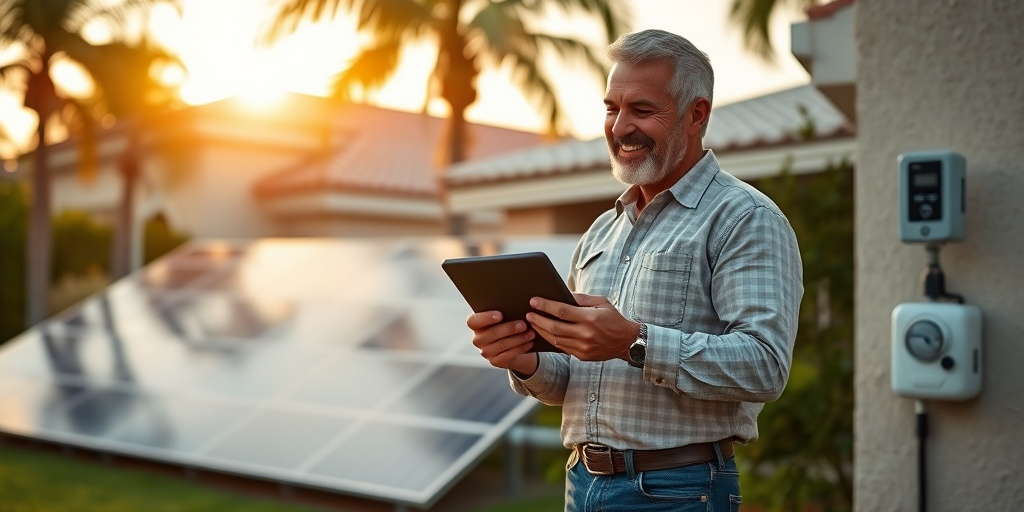
As the sun rises in the Sunshine State, many Florida homeowners are looking for innovative ways to harness its power. Did you know that over 100,000 homes in Florida adopted solar energy last year alone? This remarkable leap is attributed to both the desire to cut soaring electric bills and the rapid advancements in solar technology that make systems more accessible than ever. In fact, in 2025, Florida is projected to generate 20% of its electricity from solar—this statistic emphasizes the critical importance of understanding your solar system options. In our blog post titled “Understanding Grid-Tied vs. Off-Grid Systems: A Technical Deep-Dive,” we will help you explore the intricate differences between these two types of systems and how they shape your solar energy experience. With energy prices rising, new solar incentives being introduced, and increased grid instability, comprehending these setups is crucial for any homeowner making the switch to solar.
To navigate your solar journey effectively, we will delve into five essential sections: first, we will explore a detailed case study to illustrate the unique benefits of each system; next, we’ll provide a checklist to help you assess your energy needs; then, we will dismantle common myths surrounding solar power systems; following that, we will provide a local focus, highlighting what Florida homeowners need to consider; finally, we will conduct a technical deep-dive into the systems’ components and their interactions with utility companies. Buckle up as we embark on this enlightening exploration of solar systems!
Understanding Grid-Tied vs. Off-Grid Systems: A Comprehensive Exploration
To truly appreciate the nuances of grid-tied and off-grid solar systems, consider the story of a family in Orlando. The Johnsons, like many homeowners, faced significantly rising utility bills and an uncertain energy landscape. After considering solar energy options, they decided to install a grid-tied system. This decision saved them nearly 30% on their electricity costs immediately—an inspiring financial relief. Just a few months after installation, they also qualified for an additional 30% federal tax credit, significantly lowering their overall expenses (SEIA.org).
However, this isn’t merely a story of savings; it’s also a comparison of systems. Their choice of a grid-tied setup meant they remained connected to the local utility grid. In contrast, a neighbor opted for an off-grid system, investing in solar batteries that allowed them to operate completely independently of the grid. This neighbor praised the freedom and energy security they felt, though the upfront costs were considerably higher.
So how do you choose? Here’s a quick checklist you can utilize to determine your best option:
- Analyze Your Energy Needs: Calculate your average consumption to gauge how much solar power you’ll need.
- Consider Your Budget: Assess your initial investment versus long-term savings.
- Look Into Local Incentives: Florida residents can benefit from various state and federal programs.
- Evaluate Your Property Type: Roof orientation, shading, and available space will affect your system design.
- Assess Your Comfort Level with Independence: Determine whether you prefer to rely solely on your energy production.
Now, let’s take a moment to clear up some common myths that cloud the understanding of these systems.
Myths Versus Reality in Solar Configurations
There are many misconceptions that can mislead Florida homeowners as they explore solar options. Here are some prevalent myths:
Myth #1: Solar energy only works when the sun shines.
Truth: Modern solar panels can still generate electricity on cloudy days and during inclement weather, albeit at reduced efficiency (NREL.gov).
Myth #2: Off-grid systems are too expensive and impractical for average homeowners.
Truth: While initial costs can be high, many off-grid homeowners save significantly on utility bills over time.
Myth #3: Grid-tied systems do not work if there’s a power outage.
Truth: This depends on whether your grid-tied system includes battery storage or backup plans in case of power failure.
Myth #4: Solar panels require extensive maintenance.
Truth: Solar panels are relatively low-maintenance and can serve efficiently for over 25 years with minimal issues.
Myth #5: Solar energy is not suitable for all homes.
Truth: With design adjustments and new technologies, solar can be feasible for many different types of homes (SolarReviews.com).
Understanding these myths helps clarify your solar path and encourages a more informed decision-making process. Now, let’s look closely at the situation in Florida to see how these options apply specifically to our state.
Florida’s Solar Landscape: A Local Focus
Florida is uniquely positioned as a solar powerhouse in the United States. The state ranks second nationally for solar capacity, and as of last year, Florida had nearly 5,000 MW of solar installed (Energy.gov). This means that homeowners can leverage an abundance of sunshine to power their homes. However, the choice between grid-tied and off-grid systems can significantly alter your experience with solar energy.
- State Incentives: Florida homeowners can avail themselves of property tax exemptions and net metering programs that can reduce the overall cost of solar installation.
- Utility Regulations: Understanding your utility provider’s regulations concerning grid-tied systems is vital. For instance, Florida Power & Light offers net metering that compensates homeowners for excess energy sent back to the grid.
- Regional Differences: Coastal homes may benefit differently than inland properties due to factors like sunlight hours and storm resilience, impacting their choice between grid-tied and off-grid systems.
Given these insights, it’s important to evaluate which system aligns better with your goals, financial capacity, and readiness for solar energy. Now, let’s dive into the technical aspects of both systems and their components.
A Technical Deep-Dive into Solar System Components
When discussing grid-tied versus off-grid systems, it’s essential to understand their respective components. Each system operates on a different architecture that influences how they generate power, store energy, and interact with utility grids.
A grid-tied solar system typically includes:
- Solar Panels: These photovoltaic cells convert sunlight into usable electricity.
- Inverter: This device transforms the direct current (DC) generated by solar panels into alternating current (AC) used by homes and businesses.
- Net Metering Arrangement: This allows homeowners to send excess energy back to the grid and receive credits on their electric bills for future use.
In contrast, an off-grid system includes:
- Batteries: These store excess energy produced during the day for use when sunlight is not available, ensuring energy independence.
- Charge Controller: This component protects batteries from overcharging and regulates energy flow.
- Backup Generator (Optional): Some off-grid systems include generators as an additional safety net during prolonged periods of low sunlight.
For either system, it’s crucial to consider the return on investment (ROI) based on installation costs, available incentives, and projected energy savings. Numerous studies show that residents who switch to solar can see ROI within 5-10 years, depending on their energy usage patterns (DSIREUSA.org).
Next Steps for Florida Solar Buyers in 2025
Now that you have a thorough understanding of grid-tied versus off-grid systems, you might wonder how to move forward with your solar journey. Here’s a practical checklist to guide you through the next steps:
- Audit Your Electric Bill: Gather at least 12 months of your electric bills to ascertain energy usage patterns.
- Determine Your Solar Goals: Are you looking for energy independence, cost savings, or environmental benefits? Defining this clearly can help guide your choice.
- Research Local Regulations: Familiarize yourself with Florida solar policies, including permitting, incentives, and connection processes with the utility.
- Consult with Experts: Engage professionals to assess your site and present viable options suitable for your unique situation.
- Choose Your Installation Partner: Explore reviews and testimonials of local solar companies like floridaelectricandsolar.com to ensure quality service.
By taking these guided steps, you bring clarity to your solar decision-making process and set yourself up for success in 2025. Now let’s recap why moving toward solar energy is a vital step—and why it matters more than ever.
In conclusion, understanding the differences between grid-tied and off-grid solar systems is pivotal for Florida homeowners eyeing a transition to solar energy in 2025. From decreased electricity costs to increased energy independence, the benefits are compelling. By evaluating your energy needs, debunking myths, and considering local factors, you gain essential knowledge that empowers your decision. As the sun shines brightly over the Sunshine State, seize this opportunity to cut your electric bills and enhance your financial future.
Ready to start your solar journey in 2025? Connect with a certified expert at floridaelectricandsolar.com today.
Related Articles
More insights about Grid-Tied Systems

Grid-Tied vs Off-Grid Systems: What You Need to Know

Grid-Tied vs. Off-Grid Systems: The Essential Solar Comparison Guide

Technical Deep-Dive: Understanding Grid-Tied vs Off-Grid Solar Systems
Ready to Go Solar?
Have questions about solar energy? Our experts are here to help you make the switch to clean, renewable energy.