
How Florida Homeowners Can Maximize Savings with Solar Panel Installation
Share:
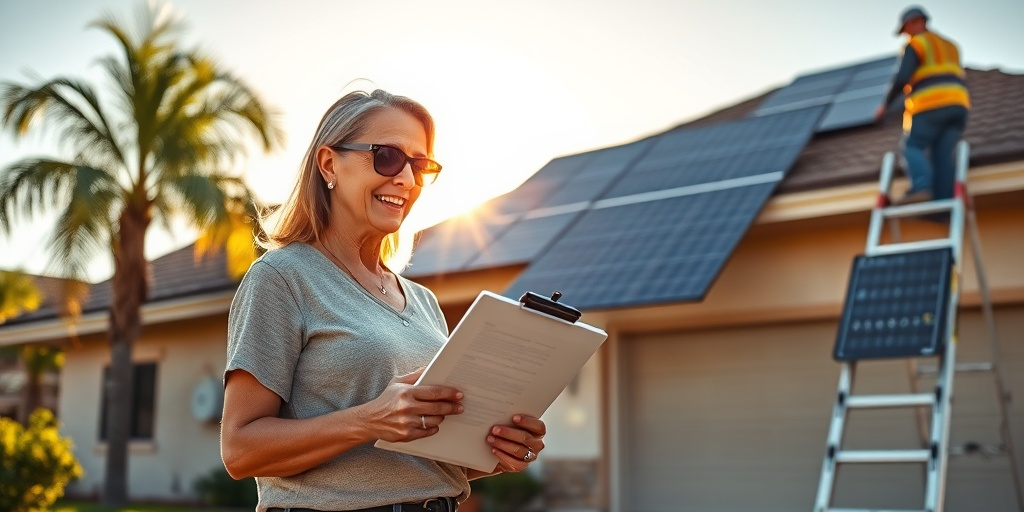
Imagine slashing your monthly electric bills while increasing the value of your home and contributing to a cleaner planet. Sounds appealing, right? A surprising statistic shows that Florida ranks high in solar potential, with over 26,000 megawatts of solar energy capacity possible by 2025 (SEIA.org). That’s enough to power millions of homes across the state. Yet, many Florida homeowners remain hesitant to embrace solar energy, often due to misconceptions or a lack of knowledge regarding solar panel installation. If you find yourself in this category, you’re not alone. In this guide, titled How Florida Homeowners Can Maximize Savings with Solar Panel Installation, we’ll break down how you can effectively navigate solar energy in 2025.
This timely discussion comes at a critical juncture. The cost of electricity in Florida is projected to rise sharply over the next few years, making solar a more viable and attractive option (Energy.gov). Additionally, new incentives and financing opportunities are emerging, positioning solar energy as a strategically smart investment for residential and commercial property owners alike. In this post, we will explore five key areas in detail, including the emotional journey of a Florida homeowner, actionable checklists for maximizing returns, debunking common myths, highlighting local factors, and a technical dive into solar technology that can further influence your savings. By the end, you will be armed with actionable insights to take the next steps in going solar.
Unlocking Maximum Savings: The Florida Homeowner’s Journey
Meet Sarah, a homeowner residing in sunny Orlando. Faced with increasing electric bills and mounting concerns about environmental sustainability, Sarah decided to explore solar panel installation. However, initial skepticism clouded her judgment. Like many homeowners, she had heard conflicting information about solar’s efficacy and its costs. Eventually, Sarah’s journey led her to discover the promises of solar energy and how it could significantly cut her monthly expenses.
To maximize savings with solar panel installation, homeowners like Sarah can follow these essential steps:
- Do your research: Start by understanding the various types of solar panels available on the market today. High-efficiency panels, for instance, can produce more energy than standard panels, offering the potential for greater savings (SolarReviews.com).
- Evaluate your energy consumption: Understanding your energy usage can help you determine the size of the solar system you need. Consider your past electric bills to gain insights.
- Consider financing options: Various financing avenues exist for solar panels, including solar loans, leases, and Power Purchase Agreements (PPAs). Each option comes with its pros and cons, affecting your total savings differently.
- Check local incentives: Florida offers several incentives, including the federal Investment Tax Credit (ITC) and local rebates, which can significantly curb upfront costs (DSIREUSA.org).
- Hire reputable installers: Selecting a certified and experienced solar installer ensures that your system operates at peak efficiency for years.
Despite Sarah’s initial doubts, these steps empowered her with knowledge and confidence. Many homeowners entertain myths regarding solar, such as it being ineffective in cloudy areas, or that installations are far too costly for most families. Sarah learned that Florida’s 300+ sunny days a year optimize solar potential and that many programs could be leveraged to significantly lower her upfront costs.
While solar panels can seem daunting, they can also be incredibly rewarding. In fact, solar systems can yield ROI of up to 20% annually, especially in Florida where energy consumption tends to be high (NREL.gov). For Sarah and many like her, solar panels don’t just reduce the energy bill; they offer a chance to truly own one’s power and contribute to a sustainable future.
Step-by-Step Checklist for Solar Savings
To further maximize savings, Florida homeowners can utilize this checklist effectively. Here’s a breakdown of actionable items:
- Step 1: Audit Your Electric Bill – Regularly reviewing your electric bills can provide insights into your regular energy consumption patterns. This information is critical for determining your solar system’s size and potential savings.
- Step 2: Explore Net Metering – Florida offers net metering, allowing homeowners to receive credit for excess electricity generated. Understanding this can make a significant difference during peak usage months.
- Step 3: Seek Local Solar Installers – Partner with local installers who know the landscape and regulations. For instance, Florida Electric & Solar offers a range of financing options and experienced installers to help make your solar journey smoother.
- Step 4: Monitor Performance – Once installed, actively monitor your solar power system’s performance using an app or web portal. This information helps ensure your investment yields maximum returns.
- Step 5: Revisit Your Financing – Periodically reassess your financing options. With the ever-evolving solar landscape, there may be new programs or incentives to take advantage of.
Through a systematic approach, Florida homeowners can maximize their solar savings effectively. Many homeowners still believe that solar panels are an expensive novelty and question their effectiveness. However, myth-busting data shows otherwise. A recent study found that homes with solar energy systems sell for an average of 4.1% more than those without (SEIA.org), validating that this investment can lead to significant financial gain.
Debunking Myths About Solar Energy
As you consider leveraging solar power, it’s crucial to dispel common myths that may cloud your decision-making process. Here we tackle some prevalent misconceptions:
Myth #1: Solar Doesn’t Work in Cloudy Weather
Many believe that solar panels are ineffective during cloudy days; however, studies indicate that solar panels can still produce electricity under overcast conditions, albeit in lower amounts (Energy.gov). In Florida, with abundant sunlight, solar energy remains a strong alternative.
Myth #2: Solar Panels Are Too Expensive
This myth often stems from the initial installation costs. While upfront costs can be significant, many financing options exist. Additionally, state and federal incentives can dramatically reduce those costs, making solar more accessible for Florida homeowners (DSIREUSA.org).
Myth #3: You Can’t Power Your Entire Home with Solar
With the right size system, many homeowners can offset or cover their entire electricity usage. An assessment of your energy needs can ensure sufficient power generation from your solar panels, especially in Florida’s sunny climate.
Myth #4: Solar Panels Require Too Much Maintenance
Solar systems are incredibly durable and require minimal maintenance. Routine cleaning and inspections can keep the systems running efficiently, and most homeowners rarely face significant issues after installation.
Myth #5: Solar Energy Is Only for the Wealthy
Solar energy has become increasingly democratized, and many financing options are available to fit various budgets. There are numerous community solar projects scattered throughout Florida, making solar energy more attainable for low and moderate-income households (FloridaElectricAndSolar.com).
By addressing these myths, potential solar buyers can make more informed choices, enhancing their confidence in the adoption of solar technologies.
5 Expert Solar Installation Tips for 2025
When embarking on your solar journey in 2025, following expert guidance can enhance your overall experience and benefits. Here are five valuable tips:
- Choose Quality Over Cost: While it might be tempting to opt for the cheapest solar packages available, it’s essential to consider the quality and efficiency of the components, such as solar panels and inverters. Higher initial investments often lead to greater long-term savings.
- Understand the Installation Process: Familiarize yourself with the installation steps and timeline. Knowing what to expect can alleviate any stress, enabling you to plan accordingly.
- Take Advantage of Solar Incentives: Constantly check for local, state, and federal incentives. As solar technology evolves, new programs and tax credits surface that can significantly offset installation costs.
- Optimize Panel Orientation: The angle and direction of your solar panels can impact energy production. In Florida, positioning panels towards the south can capture the most sunlight, maximizing energy output.
- Stay Informed About Energy Use: Continuously monitoring your energy usage is crucial. As technology advances, smart home systems allow homeowners to track and reduce energy consumption, optimizing your solar investment.
These expert tips pave the way for homeowners to fully benefit from their solar systems in 2025. Solar technology’s advancements can contribute significantly to maximizing returns on investment, with efficiency metrics improving annually.
The Customer Journey: A Hypothetical Florida Family’s Solar Experience
Consider a fictional family, the Lopez family, who embarked on their solar journey in South Florida. With three children and rising electric bills, the family’s monthly burden had become unsustainable. After a thorough energy audit, they decided to invest in solar panels to mitigate energy costs and embrace sustainability.
Through their journey, they learned these essential truths:
- Education is Key: Engaging with local solar experts armed them with critical information regarding solar technology and how it could streamline operations in their home. Their installer, Florida Electric & Solar, provided in-depth analysis and transparency.
- Long-Term Planning Pays Off: The Lopez family understood that solar was not merely a transaction but a decade-long investment toward independence from electricity bills.
- Know Your Local Environment: Opting for energy-efficient appliances not only allowed them to further cut their bills but also enabled them to size their solar system optimally.
- Community Support Matters: Joining a local solar co-op helped them exchange insights and experiences with others in the area, yielding a collective understanding of energy-saving techniques.
Each learning milestone during their solar travel reflected the potential all consumers possess when informed and empowered—just as the Lopez family became advocates for solar energy in their community.
Next Steps for Florida Solar Buyers in 2025
As we draw our exploration of maximizing savings with solar panel installation, it’s crucial to highlight the next steps for interested Florida homeowners. Here’s a practical action plan:
- Step 1: Audit Your Electric Bill – Determine your average monthly consumption. Understanding this helps tailor your solar project.
- Step 2: Set a Budget – Pinpoint how much you can afford for upfront costs, and consider financing options to aid in the transition.
- Step 3: Research and Compare Solar Companies – Look for reputable companies in your area, checking reviews and certifications to ensure optimal service.
- Step 4: Schedule Consultations – Meet with potential installers to discuss your goals and examine the proposed systems. Transparency in communication is paramount.
- Step 5: Stay Engaged – Continue to monitor updates about incentives, technologies, and policies that could affect your solar investment over the coming years.
Taking these next steps will empower you as you transition to solar power. With so much to gain, embracing this path can lead to significant financial, environmental, and personal rewards.
In summary, understanding how Florida homeowners can maximize savings with solar panel installation is essential in the current energy landscape. From debunking common myths to embracing actionable steps, the journey possesses endless potential. By choosing to invest in solar energy in 2025, you will contribute to a sustainable future while experiencing lower energy bills and increased property value.
Ready to start your solar journey in 2025? Connect with a certified expert at floridaelectricandsolar.com today.
Related Articles
More insights about Solar Panel

Florida Homeowners: Why Solar Panel Maintenance Is Essential

7 Essential Steps for Solar Panel Installation Success

Expert Insights: Key Factors Influencing Solar Panel Lifespan
Ready to Go Solar?
Have questions about solar energy? Our experts are here to help you make the switch to clean, renewable energy.