
Beginner’s Guide to Understanding Solar Panel Installation for Your Home
Share:
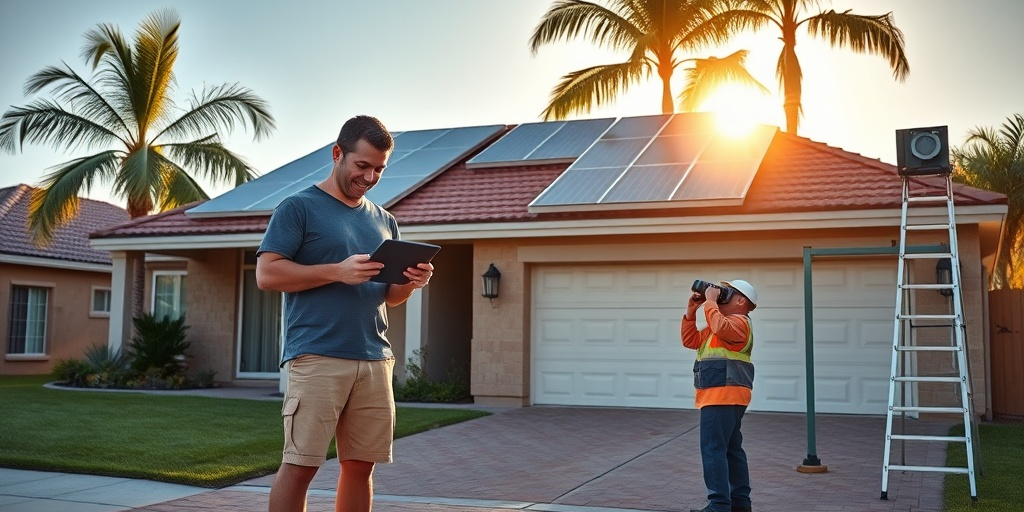
As the sun’s relentless rays beat down on the Sunshine State, it’s no wonder why so many Florida homeowners are beginning their journey into renewable energy. In fact, according to the Solar Energy Industries Association, Florida ranks third in the nation for solar capacity installed, with over 3.6 gigawatts of solar energy producing power for residential and commercial properties (SEIA.org). With energy costs projected to increase by 10% in 2025, more residents are turning to solar panel installation as an effective method for slicing their electric bills and contributing to a cleaner environment (NREL.gov). The interesting paradox is that even with these rising numbers, many still have misconceptions around solar technology that may deter them from making the switch. This is where our **Beginner’s Guide to Understanding Solar Panel Installation for Your Home** comes in—a comprehensive resource that unlocks the essential tips and information you need to make an informed decision.
Understanding the world of solar energy has never been more urgent. As Florida’s grid grapples with rising energy demands and unpredictable weather patterns, the need for reliable energy sources becomes even clearer. The benefits of going solar in 2025 are more than just financial; they’re rooted in sustainability and energy independence. In this guide, we’ll explore the fundamentals of solar panel installation, provide actionable insights and myths to bust, and give you a clear action plan to kickstart your solar journey this coming year. Here’s what we’ll cover:
- A comprehensive exploration of the solar installation process.
- A checklist to guide you through each step of preparing for installation.
- Myth-busting common misconceptions about solar energy.
- A local focus on Florida’s specific incentives and statistics.
- A detailed technical breakdown of solar energy systems.
With such an exciting journey ahead, let’s dive into our first section.
Understanding Solar Panel Installation: Your Energy Revolution Awaits
Meet Jenna, a single mother living in St. Petersburg, Florida. For years, Jenna struggled with skyrocketing electric bills, especially during the scorching summer months. Tired of feeling overwhelmed by her energy expenses, she began researching solar powers as a way to take control of her financial destiny. Jenna decided to harness the abundant sunshine of Florida to power her home while simultaneously doing her part for the environment. In 2022, she completed her solar panel installation—and the transformation was nothing short of magical.
Jenna’s first step was assessing her energy needs. Understanding solar requires careful consideration of solar panel capacity, installation costs, and financing options. She found that, on average, a typical Florida home needs about 5kW of solar power to cover its annual electricity consumption (Energy.gov). The installation cost varies, but with current incentives such as the federal solar tax credit, which allows homeowners to deduct 26% of the installation cost from their taxes, many are finding the transition more affordable.
Checklist for Solar Panel Installation:
- Step 1: Conduct an energy audit—Analyze your energy bills over the past year to identify consumption patterns.
- Step 2: Research local solar installers—Seek certified providers with solid reputations and experience working in Florida.
- Step 3: Evaluate your financing options—This includes purchasing, leasing, or utilizing power purchase agreements (PPAs).
- Step 4: Assess your roof—Ensure your roof is suitable for solar panel installation, considering its angle, orientation, and shading.
- Step 5: Schedule an inspection—A professional evaluation will confirm the integrity of your roof and the optimal design for solar panel placement.
Myth #1: Solar panels will only save you money in sunny states.
This myth is oversimplified. While it’s true that sunny states like Florida generate more energy from solar panels, advancements in technology mean that today’s solar panels can still produce energy under cloudy conditions (SolarReviews.com).
Myth #2: You need a perfect roof to install solar panels.
Many homeowners believe that only specific roof types qualify for solar installations. This is false; solar can be installed on flat roofs, and adjustable systems can be set on uneven surfaces.
Myth #3: Solar panels will harm your roof.
In reality, a properly installed solar system can extend the lifespan of your roof. Many solar installations come with warranties that protect your roof during and after installation.
As Jenna’s story illustrates, understanding the installation process is crucial. Whether you’re a Florida homeowner looking for long-term savings or a business considering solar energy’s environmental benefits, the information in this guide will prepare you for a successful solar journey.
Now, let’s transition into our second section, which delves into the specific benefits of adopting solar energy systems in Florida.
Why Solar Energy? The Sunny Rewards Awaiting Florida Residents
Switching to solar energy not only reduces electric bills but also boosts property values. Homeowners in Florida are seeing upward trends in their property values due to solar installations, with some studies showing increased values by up to 4.1% (DSIREUSA.org).
- Lower Utility Bills: Transitioning to solar energy can drastically cut monthly energy costs and free up funds for other expenses.
- Increased Home Value: According to Zillow, homes equipped with solar panels tend to sell for 4.1% more than comparable homes without solar. Over time, drawing solar energy can become a fantastic real estate investment.
- Environmental Impact: Every kilowatt-hour generated through a solar system helps lower greenhouse gas emissions, which contributes to a healthier environment.
- Stability Against Energy Price Spikes: As traditional energy prices are projected to rise, households utilizing solar energy will be insulated from these fluctuations.
- Energy Independence: With solar panels, you can reduce reliance on utility companies—own your power and avoid unexpected interruptions or outages.
These benefits aren’t just theory; they’re experienced firsthand by Florida homeowners. Jenna, for instance, not only anticipates significant savings but also enjoys peace of mind knowing she’s contributing to a sustainable future while securing her financial landscape.
For Florida residents, understanding energy independence, financial savings, and environmental contributions are incredibly crucial. And with organizations like Florida Electric & Solar leading the charge, getting informed is easier than ever.
Now that we’ve covered why solar energy is worth considering, let’s move on to our next pivotal section packed with best practices for a successful installation.
5 Expert Solar Installation Tips for 2025
Solar installation can seem daunting, but with the right knowledge and tips, you can ensure a smooth process. Avoiding common pitfalls is essential for making the most out of your investment. Here are some expert tips:
- Don’t Skimp on Panel Placement: Proper orientation and tilt can affect your system’s efficiency by 20% or more. Engage with your installer to identify an area with optimal sun exposure.
- Invest in Quality Equipment: While initial costs can be significant, high-quality solar panels and inverters will yield better performance and durability over time.
- Factor in Maintenance: Regular cleaning and routine checks are key to ensuring your solar system operates effectively. Neglecting this can diminish your overall savings.
- Understand Your Offsetting Usage: Tracking your energy consumption patterns can help predict how much energy your solar system will yield and allow for an accurate cost-benefit analysis.
- Stay Updated with Local Incentives: Florida has various incentives and tax credits available, which can drastically lower installation costs. Ensure your installer is well-versed in these opportunities.
Statistically, Americans who go solar report an average savings of $1,500 annually concerning standard energy costs (Energy.gov). But remember, diligence in planning and preparation truly unlocks the potential of this investment.
This brings us to our next discussion point: a deeper narrative that showcases the longer-term journey of going solar. Let’s explore a fictional but relatable Florida homeowner’s solar experience.
The Solar Journey: A Fictional Case Study of Florida Homeowner Jen
Meet Jen, a diligent homeowner in Sarasota, Florida. Upon moving into her new property, she found excitement over its beautiful vistas and potential, but soon faced a challenging electric bill that made her second-guess her choice of home. Jen made a decision—she wanted to transform her home into a sustainable sanctuary, tapping into Florida’s abundant sunshine.
Jen’s journey began with a thorough assessment of her household’s energy usage. Over the span of a year, she meticulously recorded her monthly electric bills. The average bill was $160, costing her nearly $2,000 annually. After conducting research on local solar installers and their offerings, she decided on a reputable company to guide her through the installation. They performed a detailed solar site assessment, which not only reviewed her roof’s placement but also provided insight into available financial incentives.
Once installed, Jen enjoyed a plethora of benefits. She calculated that her solar panels would cover 80% of her annual electricity usage. According to recent data from the National Renewable Energy Laboratory, by installing solar panels, Jen was projected to save approximately $15,000 over the 25-year lifespan of her system (NREL.gov).
As her first year of solar energy use wrapped up, Jen witnessed a noticeable shift in her lifestyle. Here are a few of the significant changes she encountered post-installation:
- Substantial Savings: Seeing her monthly bill drop to just $30 was life-altering.
- Increased Home Comfort: Consistent air conditioning and heating became far more manageable expenses, leading to improved living conditions.
- Empowered Decision-Making: Instead of relying on utility companies, Jen felt empowered to manage her energy needs proactively.
Ultimately, Jen’s story illustrates how adopting solar energy can transform lives—both financial and environmental. As we explore next steps for Florida’s solar buyers, keep this tale in mind. It’s a reminder of the positive ripple effects solar installation can have on personal life.
Next Steps for Florida Solar Buyers in 2025
As you absorb all this information, you might feel overwhelmed with the plethora of factors to consider for solar panel installation. Fear not! We’ve prepared a straightforward action plan:
- Step 1: Audit Your Electric Bill
Begin by analyzing past bills to understand your current usage and spending—this sets the groundwork for your solar system’s design. - Step 2: Explore Financing Options
Investigate available options such as direct purchase, loans, and whether leasing or power purchase agreements (PPAs) align with your financial goals. - Step 3: Schedule Consultations
Engage with multiple solar providers and utilize their knowledge to assess what each can offer. Pay attention to their transparency in explaining the installation process. - Step 4: Finalize Design Preferences
Be vocal about your preferences regarding panel types and setup, and ensure you’re comfortable with the entire installation proposal. - Step 5: Preparation & Installation
Once you’ve signed your contract, take time to prepare your home for installation, which might include minor repairs to your roof or enhancing access for crews.
By following these steps, you can significantly simplify the transition to solar energy and ultimately enjoy the rewards of embracing renewable energy. Embracing solar power is about reclaiming control and establishing stability for you and your family’s future.
As we conclude our comprehensive guide, let’s reflect on the immense potential solar energy holds for Florida homeowners.
Conclusion: Build a Brighter Future with Solar Energy
As we’ve navigated through this beginner’s guide, remember that your decision to explore solar energy is not just about cutting costs—it’s an investment in your future, your community, and our planet. From learning about the intricacies of installation to busting myths that hold many back, this knowledge equips you with the power to make informed choices. As more Florida homeowners seize the opportunity this year, be mindful of the urgency brought on by rising energy costs and unpredictable energy markets.
With the potential to save thousands and enjoy an eco-friendly lifestyle, embarking on your solar journey in 2025 is not only timely but also vital. Whether you’re ready to reach out to a reliable solar installer or want more insight on how solar power can work for you, Florida Electric & Solar is here to guide your steps.
Ready to start your solar journey in 2025? Connect with a certified expert at floridaelectricandsolar.com today, and take the first step towards a sustainable tomorrow.
Related Articles
More insights about Solar Panel

Florida Homeowners: Why Solar Panel Maintenance Is Essential

7 Essential Steps for Solar Panel Installation Success

Expert Insights: Key Factors Influencing Solar Panel Lifespan
Ready to Go Solar?
Have questions about solar energy? Our experts are here to help you make the switch to clean, renewable energy.