
Beginner’s Guide to Understanding Solar Panel Lifespan
Share:
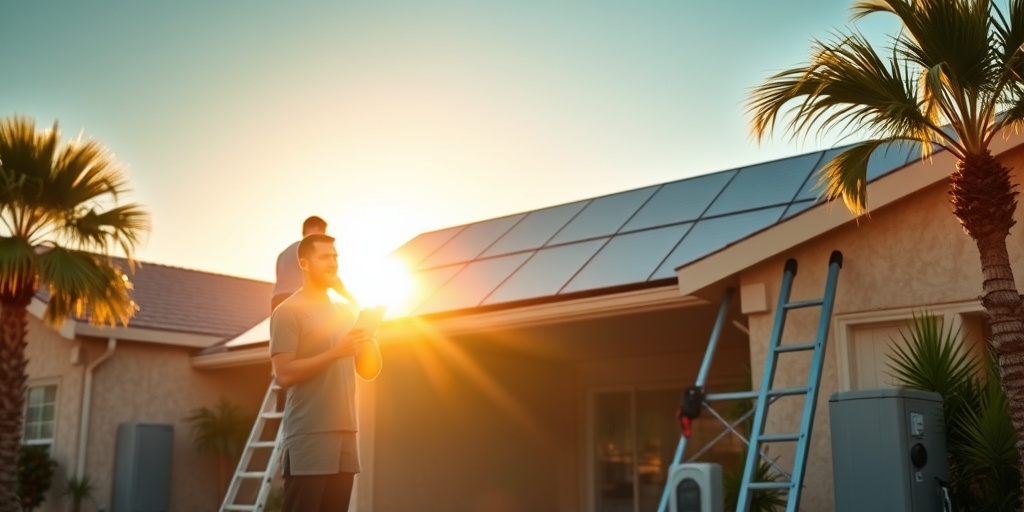
Have you ever wondered how long your investment in solar power will last? You’re not alone. As more Floridians seek to harness the sun’s energy, many are left asking a fundamental question: “What is the lifespan of solar panels?” If you’re considering going solar in 2025, this question carries weight because understanding solar panel lifespan can help you maximize your investment. In this Beginner’s Guide to Understanding Solar Panel Lifespan, we will delve into crucial factors affecting your solar panel lifespan, empowering you to make informed decisions. Did you know that the average lifespan of a solar panel is around 25 to 30 years? (SEIA.org) However, numerous factors such as installation, location, and maintenance can affect that duration. In Florida, where sunshine is abundant yet storms loom, it’s vital to grasp how these elements play a role in your solar journey. With the cost of electricity projected to continue rising and new solar incentives emerging, the urgency for Florida homeowners and commercial property owners to evaluate solar options has never been higher. This guide will cover five vital sections: a case study of a Florida homeowner, a practical checklist for ensuring your panels last, the debunking of myths surrounding solar lifespan, a focus on local solar policies, and a technical breakdown of how advanced systems can extend the longevity of your investment. Let’s illuminate your path to understanding solar panel lifespan!
Understanding the Lifespan of Solar Panels: A Comprehensive Overview
To answer the burning question about solar panel lifespan, let’s explore the elements that will help you grasp how to maximize your investment. Take Sarah, a Florida homeowner living in Tampa. Sarah made the decision to install solar panels on her roof three years ago after hearing about the financial savings and environmental benefits. Her panels, manufactured by a reputable company, came with a 25-year warranty. Yet, the question she often contemplated was, “Will my solar panels last that long?” Her friends and family raised their eyebrows when she mentioned her choice, often saying, “Solar panels can’t last that long!” But Sarah was committed to understanding more about her solar investment.
- Installation Quality Matters: The lifespan of solar panels can be heavily influenced by the quality of installation. Proper installation is crucial; even the best panels can lose efficiency if not installed accurately. This means ensuring that the panels are appropriately aligned to capture sunlight and securely fastened to withstand Florida’s storms.
- Environmental Considerations: Florida’s unique climate—high humidity, intense sun, and occasional hurricanes—creates specific demands on solar panels. Research indicates that while the average panel lasts around 25 years, exposure to Florida’s weather can necessitate more frequent maintenance checks (Energy.gov).
- System Maintenance: Routine maintenance can extend the lifespan of your solar investment significantly. Homeowners can adopt best practices such as cleaning panels regularly to prevent a buildup of dirt and debris, thus optimizing their performance.
Sarah learned that misconceptions are common when it comes to solar technology. A survey found that only 60% of Americans understand solar panel warranties, with many believing a warranty guarantees the life of the equipment (SolarReviews.com). This misconception led her to research the key factors affecting solar longevity, ensuring she approached her installation with knowledge.
As she learned more about the technology behind the panels, Sarah discovered the principle of degradation—which states that solar panels lose an average of 0.5% to 1% of their efficiency each year. This means that a high-quality solar panel rated at 300 watts may only produce 291 watts by the end of its lifespan, under normal circumstances (NREL.gov). However, with quality installation and maintenance, her panels could remain productive for years past their initial warranty period.
Now that we’ve established a foundational understanding of what impacts solar panel lifespan, let’s move to actionable steps you can take to improve your solar system’s longevity.
Your Solar Maintenance Checklist: 5 Essential Steps
To ensure your solar panels reach their full lifespan potential, follow this practical checklist:
- Step 1: Regular Inspections – Check your solar system at least twice a year to confirm that there are no visual defects or obstructions. Look for issues like cracks, physical damage, or shading from trees.
- Step 2: Clean Your Panels – Dust, grime, and leaves can block sunlight and reduce efficiency. Regularly cleaning your panels can significantly enhance their performance. In Florida, rain often provides natural cleaning, but manual cleaning may sometimes be necessary, especially after storms.
- Step 3: Monitor Your Energy Output – Keep an eye on your solar system’s overall energy output. Using monitoring tools can alert you to any drops in efficiency that may indicate a problem, allowing you to address issues before they escalate.
- Step 4: Keep the Area Clear – Ensure that any foliage around the solar panels is trimmed back. Shadows can significantly reduce energy generation, affecting the panels’ ability to produce electricity efficiently.
- Step 5: Schedule Professional Maintenance – Having a professional inspect your solar system annually can help identify and fix small issues before they grow into more significant problems. Professionals can also conduct thorough cleaning and check all wiring and connections.
By following these five essential steps, you can help ensure your solar panels remain productive for many years. Remember, choosing a trusted Florida solar company for installation and maintenance can make all the difference in your solar system’s longevity. For further help, you can visit floridaelectricandsolar.com.
Myth-Buster: Common Misconceptions About Solar Panel Lifespan
Myths and misconceptions surrounding solar energy can create apprehension in prospective solar buyers. Let’s debunk some common myths about solar panel lifespan that could be hindering you from making the switch to solar power.
- Myth #1: All Solar Panels Are Created Equal – There’s a common assumption that all solar panels follow the same standards. In reality, panel quality can vary greatly. Higher-quality panels come with longer warranties and greater efficiency ratings, leading to a more extended lifespan.
- Myth #2: Solar Panels Require Too Much Maintenance – This is a common fear among potential buyers. The truth is that while panels need some care, regular cleaning and checks are generally sufficient. Many homeowners find that their panels can withstand Florida’s unique weather.
- Myth #3: Solar Panels Stop Working After 25 Years – While panels may be rated for about 25 years, many can continue operating at about 80% of their efficiency long after this period. With proper maintenance, your solar investment can provide long-term savings beyond its warranty.
- Myth #4: I Can’t Replace My Panels If They Fail – Another misbelief is that once installed, panels cannot be replaced. In reality, individual panel replacements are quite common and can be more cost-effective than a complete system changeover.
- Myth #5: The Savings Aren’t Worth It – Many in Florida find that solar can significantly reduce or even eliminate electric bills, increasing overall savings over time. This is especially true as utility rates soar, making solar increasingly cost-effective.
By understanding these myths, you’ll empower yourself to navigate the solar landscape more confidently. Knowledge is power and, armed with the right information, you can avoid pitfalls that may deter others from experiencing the benefits of solar energy.
Florida Solar Policies: Maximizing Your Investment
Being informed about local solar policies can enhance your solar experience, especially in Florida, where legislation is essential for maximizing your solar investment. Florida’s growth in solar has been remarkable, with a 2022 statistic showing that the state ranks third in the nation for solar energy capacity (SEIA.org). However, navigating the policies can seem daunting.
Let’s explore some Florida-specific considerations regarding solar panel lifespan:
- Net Metering Policies: This allows homeowners to sell excess energy generated back to the grid. Understanding these benefits can maximize your investment return and ensure your system is used efficiently.
- Incentives and Tax Credits: Florida offers tax exemptions for solar systems, such as sales tax exemptions, which can significantly impact the overall cost of the system and increase future savings.
- Hurricane Preparedness: Given Florida’s propensity for hurricanes, building codes require higher resilience. Solar systems installed under these guidelines are typically built with longer-lasting materials and techniques.
As Sarah learned more about Florida’s environmental policies, she discovered the impact of the Solar Energy Technologies Program (SETP), which aims to advance solar technologies and improve the lifespan of solar products. Keeping abreast of changes and how they affect maintenance and financial incentives is vital to making informed decisions. Knowledge of policies helps homeowners anticipate potential changes or initiatives that might enhance their solar experience.
Technical Deep-Dive: Maintaining Solar Panel Longevity
To truly maximize the lifespan of your solar panels, it’s essential to understand the technology behind the solar systems. Here’s a dive into the technical elements that contribute to how long your solar investment will last:
- Panel Materials: Most solar panels are made primarily from silicon. Higher-quality panels utilize monocrystalline silicon, which tends to have a longer lifespan and higher efficiency than polycrystalline or thin-film panels.
- Inverter Lifespan: The inverter converts direct current (DC) generated by your solar panels to alternating current (AC) used in your home. Inverters typically last 5 to 15 years. Consider inverter options that allow for an easy upgrade as needed, as this can affect your solar panel efficiency over time.
- Wiring and Connections: Ensuring that your wiring is correctly installed is crucial. Poor-quality materials can degrade quickly, affecting overall performance. Investing in reliable wiring will enhance efficiency and contribute to the longevity of your system.
- Battery Storage: If you opt for battery storage, it’s essential to consider battery technology as well. The lifespan of lithium-ion batteries is generally between 10 to 15 years, and choosing high-quality products can directly correlate to extending your panels’ effectiveness.
As Sarah delved into the technical aspects, she felt more confident in her ability to maintain her solar system and ensure it achieved high productivity for years to come. Understanding the components not only helps in making informed purchases but also in knowing what to monitor over the lifespan of the system. Ultimately, the better the quality and installation, the longer your system will last.
Next Steps for Florida Solar Buyers in 2025
With newfound knowledge about solar panel lifespan, here’s how to embark on your solar journey in 2025:
- Step 1: Audit Your Electric Bill – Review your electric bill and usage patterns to understand your needs. This helps tailor your solar installation to match your consumption effectively.
- Step 2: Research Quality Installers – Look for trusted Florida-based solar companies with strong reviews and guarantees. Quality installation is key to longevity.
- Step 3: Ask About Warranties – Understand the warranties offered and how they correspond to panel lifespan. Ensure you receive documentation for the systems installed.
- Step 4: Consider Battery Storage – Research options for battery storage to complement your solar system. This can enhance efficiency and ensure backup power during outages.
- Step 5: Stay Informed – Follow local solar initiatives and policies that can affect your investment and make sure you’re taking advantage of available incentives.
Engaging with your solar journey doesn’t just stop after installation. Regular check-ins and staying informed can work wonders in maintaining your system. To connect with professionals who can guide you on this journey, visit floridaelectricandsolar.com.
In conclusion, understanding solar panel lifespan is critical to maximizing your investment in solar energy. From installation quality to environmental factors, the lifespan of your solar panels can significantly impact your financial savings. Arm yourself with knowledge, combat myths, adhere to best practices, and harness all that Florida’s solar-friendly policies have to offer. The decision to go solar brings not only immediate energy savings but also positions you strongly for a sustainable future. Remember, every sunrise brings a new opportunity to save on energy costs as you harness the sun.
Ready to start your solar journey in 2025? Connect with a certified expert at floridaelectricandsolar.com today.
Related Articles
More insights about Solar Panel

Florida Homeowners: Why Solar Panel Maintenance Is Essential

7 Essential Steps for Solar Panel Installation Success

Expert Insights: Key Factors Influencing Solar Panel Lifespan
Ready to Go Solar?
Have questions about solar energy? Our experts are here to help you make the switch to clean, renewable energy.