
How Solar Panel Installation Can Elevate Florida Home Values
Share:
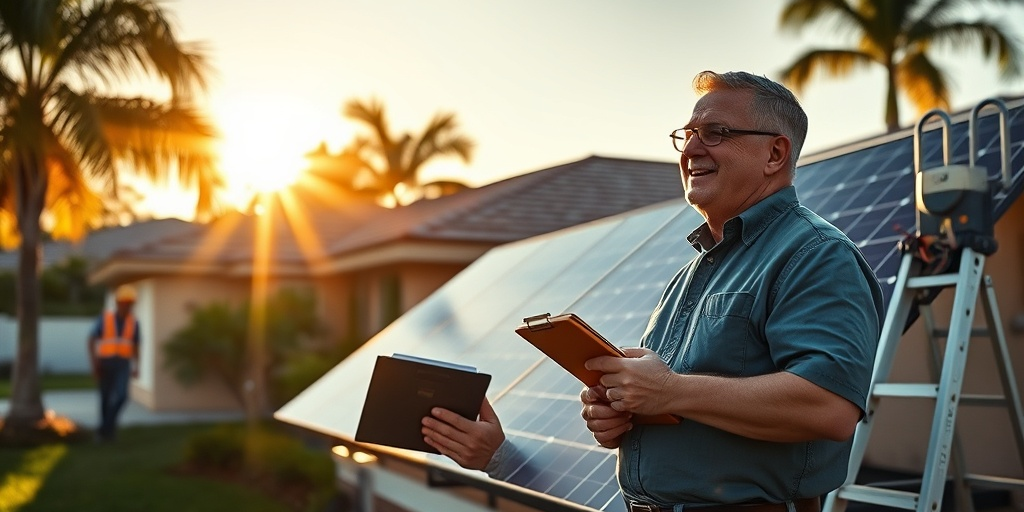
Are you aware that installing solar panels on your Florida home can not only lead to impressive energy efficiency but also significantly increase your property value? It’s a compelling prospect for any Florida homeowner. As a state that enjoys abundant sunshine year-round, Florida is at the forefront of the solar revolution, with over 1.5 million homes utilizing solar energy systems by 2023 (Florida Solar Energy Center). This optimistic surge highlights why our topic today, How Solar Panel Installation Can Elevate Florida Home Values, is critically relevant as we approach 2025.
As energy costs continue to rise and climate concerns mount, solar energy has emerged as a compelling solution for combating these challenges. Renewable energy incentives, including federal tax credits and state rebates, are setting the stage for a transformative decade in solar energy. The Solar Investment Tax Credit (ITC), which offers a 26% tax credit for solar panel installations, is making solar energy more affordable than ever before (SEIA.org). By 2025, the importance of harnessing solar power will be more urgent than ever as homeowners seek to protect their financial futures while contributing to a greener planet.
This article will guide you through the myriad benefits that solar panel installation can bring to your Florida home, particularly in elevating its market value. In the following sections, we’ll explore a compelling case study showcasing a Florida homeowner’s journey into solar power, provide a practical checklist for potential solar buyers, debunk common myths about solar energy in Florida, delve into local statistics and policies, and analyze the technical aspects of solar installations. Each segment will empower you to make informed decisions as you consider this significant upgrade for your home.
1. Solar Installation: A Homeowner’s Transformative Journey
To illustrate the tangible benefits of solar panel installation, let’s take a journey with Sarah and Mark, a couple living in the sunny suburbs of Orlando. Sarah and Mark purchased their home five years ago, attracted by the beautiful landscape and promise of sunny days. However, upon moving in, they quickly faced the reality of soaring electricity bills. The couple was paying upwards of $300 each month, a hefty cost that ate into their savings.
With the growing concerns of rising energy expenses and an overwhelming desire to contribute positively toward the environment, they attended a local solar energy seminar in their community. This event highlighted not only the environmental benefits of using solar energy but also a startling statistic: homes equipped with solar panels sold for an average of 4.1% more than comparable non-solar homes (NREL.gov). This insight ignited their interest in pursuing solar as a means of elevating their home value while reducing their electric bills.
Fast forward a few months—the couple made the leap and installed a 6 kW solar panel system on their home. The installation was seamless, and before long, they began to see significant changes not only in their electric bill, which dropped to an astonishing $50 per month, but also in the overall atmosphere of their home. Their energy savings began to compound, allowing them to allocate resources to other home improvements.
One year after installation, Sarah and Mark’s neighborhood saw a surge in solar installations as more neighbors recognized the benefits. The couple received unsolicited offers from potential buyers interested in their solar-equipped home. According to a study by the Appraisal Institute, the added value of their solar setup amounted to nearly $24,000 (Florida Solar Energy Center). This newfound wealth elevated their home value, demonstrating that solar panels are not just an environmental choice but a financially savvy one as well.
Checklist for Florida Homeowners: If you’re considering elevating your home value through solar energy, take these actionable steps:
- Research local solar installers—look for those accredited by the Better Business Bureau and check online reviews.
- Evaluate your energy needs—an energy audit will help determine how many panels you need.
- Understand financing options—explore tax credits, state incentives, and financing plans available to Floridians.
- Consult your HOA—ensure that there are no restrictions on solar installations in your community.
- Plan your installation timing—the best months for installation are typically in the spring or fall when temperatures are milder.
As Sarah and Mark will tell you, making the switch to solar is a decision that pays off not just in monthly savings but in long-term home value appreciation. Ready to take the next step? Connect with floridaelectricandsolar.com and let your solar journey begin!
2. Common Misconceptions about Solar Energy
Many potential solar buyers hold on to outdated myths about solar energy that can deter them from making the switch.
Let’s debunk a few of these myths:
- Myth #1: Solar panels are too expensive. Contrary to popular belief, solar panels have become increasingly affordable. The cost of solar has dropped by over 70% since 2010, and many incentives help mitigate upfront expenses (SEIA.org).
- Myth #2: Solar only works in sunny climates. While Florida’s abundant sunshine is ideal for solar energy, modern panels can capture abundant sunlight even on cloudy days! Statistics show that solar panels can produce energy even in lower sunlight conditions.
- Myth #3: Solar panels hurt home aesthetics. Many homeowners fear that solar panels may disrupt their home’s appearance. However, advancements in technology have led to sleeker, more integrated designs that can enhance property value.
Understanding how solar power works is crucial for Florida homeowners considering this upgrade. According to the Florida Solar Energy Center, solar energy systems produce clean power, reduce greenhouse gas emissions, and create valuable tax incentives, making them a wise investment. Furthermore, the Florida Solar Power Law allows specific zoning technology that can enhance the usability of solar panels, reassuring potential buyers about their aesthetics (Florida Solar Energy Center).
So next time you hear someone extolling the downsides of solar energy, remember these points—and the implications they can have for the value of your home. For a comprehensive understanding of solar technology, visit floridaelectricandsolar.com.
3. 5 Expert Solar Installation Tips for 2025
If you’re set on elevating your Florida home values through solar energy in 2025, here are five expert tips to guide you through the installation process:
- Choose the right location: Don’t skimp on panel placement. Ensure that the highest quality sunlight reaches your solar panels by installing them on the optimal side of your roof. South-facing roofs typically yield the best solar production.
- Invest in high-efficiency panels: Not all solar panels are created equal. Look for ones with high efficiency ratings, which can yield more electricity generation per square foot.
- Incorporate battery storage: Consider adding a battery storage system that allows you to store excess energy. This can provide backup power during outages and maximizes energy usage.
- Stay informed on incentives: Constantly monitor available federal and state incentives. As of 2023, Florida homeowners can benefit from the 26% federal solar tax credit, but this will decrease to 22% in 2025 (SEIA.org).
- Hire qualified professionals: Always opt for certified installers who have a strong reputation in the industry. They will ensure that your installation complies with local regulations and building codes.
Following these steps will help set you up for a successful solar panel installation that not only meets your needs but also enhances your home’s value for years to come. Let Florida Electric & Solar assist you with any questions or concerns you may have regarding your solar journey!
4. The Current Landscape of Solar Energy in Florida
With the increasing emphasis on renewable energy and sustainability, solar energy in Florida is undergoing a remarkable evolution. The Sunshine State is home to one of the highest levels of solar energy adoption in the U.S., driven by state’s fantastic solar incentives and technological advancements.
By 2025, it’s predicted that the total solar capacity in Florida will surpass 10,000 megawatts. Recent reports have outlined that solar jobs in the state have increased exponentially, fostering an economic environment rich in job opportunities (SolarJobs.org).
Let’s explore some critical factors affecting the solar landscape today:
- Government incentives: Florida’s policies, such as Property Assessed Clean Energy (PACE) financing, provide homeowners access to low-interest rates on energy-efficient upgrades, making solar more accessible (DSIREUSA.org).
- Grid considerations: As more homeowners install solar panels, it’s essential to consider the implications for the local grid. Utilities are investing in smart grid technologies to support solar integration, ensuring energy reliability as demand increases.
- Public perception: Studies show that awareness of solar benefits among Florida homeowners is rising. With improved education and outreach initiatives, residents are increasingly considering solar as a viable option.
This evolving landscape, coupled with neighborhood trends such as Sarah and Mark’s, demonstrates how investing in solar can lead to heightened property values along with financial and environmental benefits. Keep in mind, the decision to go solar today is not only forward-thinking; it’s a choice that pays off tomorrow.
5. Next Steps for Florida Solar Buyers in 2025
Ready to elevate your Florida home’s value with solar energy? Here’s a straightforward action plan to help you smoothly navigate the solar buying process:
- Step 1: Audit Your Electric Bill: Review your past electric bills to understand your energy consumption patterns. This will help you determine the size of the system you need.
- Step 2: Research Solar Options: Explore various solar technology options, including panels, inverters, and battery systems to find what best fits your lifestyle.
- Step 3: Get Multiple Quotes: Contact different solar companies to get personalized quotes. Comparing multiple options will give you a clearer perspective on pricing.
- Step 4: Check Local Incentives: Stay informed about available solar incentives and rebates—these can substantially offset your installation costs.
- Step 5: Schedule Your Installation: Once you’ve selected your preferred solar provider, schedule your installation and prepare for the seamless transition to solar energy.
Following these steps will ensure a smooth transition to solar energy and bolster the value of your property in the process. Ready to start your solar journey in 2025? Connect with a certified expert at floridaelectricandsolar.com today.
In conclusion, the benefits of solar panel installation for Florida homeowners extending beyond energy savings, directly impacting property values for years to come. As illustrated through Sarah and Mark’s story, embracing solar energy today leads to resilience against rising energy costs and secures a brighter, more sustainable future. While demystifying myths and understanding the true advantages of solar can seem daunting, the transformational power of solar energy is undeniable. The decision you make today can elevate not only your home but also your community and the planet, ensuring a brighter tomorrow for everyone. Join this exciting journey toward renewable energy and let the sun work for you, increasing both your property value and quality of life.
Related Articles
More insights about Solar Panel

Florida Homeowners: Why Solar Panel Maintenance Is Essential

7 Essential Steps for Solar Panel Installation Success

Expert Insights: Key Factors Influencing Solar Panel Lifespan
Ready to Go Solar?
Have questions about solar energy? Our experts are here to help you make the switch to clean, renewable energy.