
Beware Of These Critical Solar Scams That Could Cost You
Share:
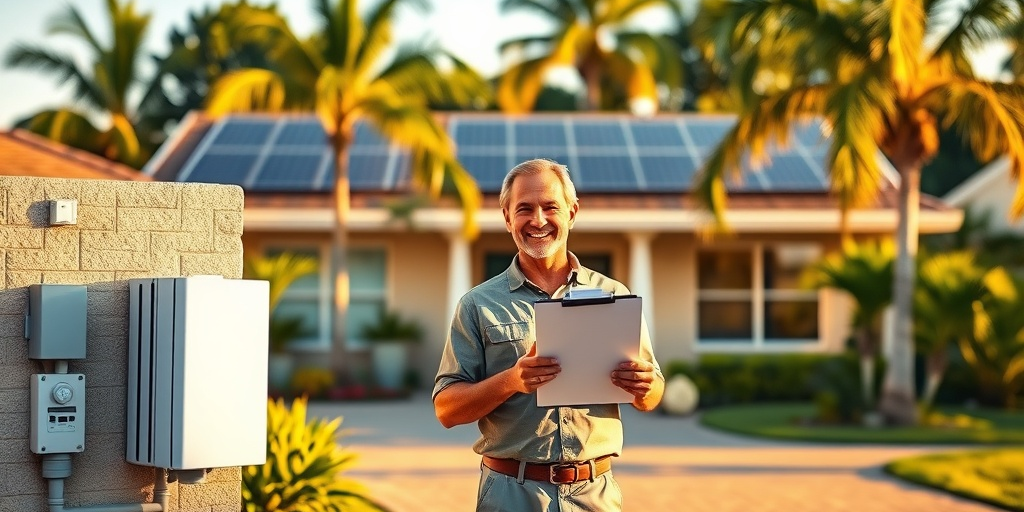
Across the United States, solar energy has become one of the most exciting avenues for homeowners and businesses seeking to reduce their energy costs and embrace sustainable practices. In Florida, this shift is especially poignant, with the state’s abundant sunshine lending itself to a burgeoning solar market. However, as with any rapidly growing industry, the solar sector is fraught with scams and misleading tactics that unsuspecting customers may fall victim to. In fact, according to the Solar Energy Industries Association (SEIA.org), solar adoption in Florida is projected to increase by a staggering 23% by 2025. This rapid growth attracts not only legitimate businesses but also fraudulent operators looking to exploit eager customers. Therefore, it is vital for Floridians to be aware of these risks and know how to protect their investments. This brings us to the blog title: Beware of These Critical Solar Scams That Could Cost You.
In 2025, homeowners will find themselves facing rising energy costs, with average electricity prices in Florida expected to increase by 3% annually (Energy.gov). Alongside escalating energy rates, new solar incentives and rebates become available, making now the time for Floridians to consider their solar options. Yet, with these enticing prospects come the dangers of solar scams—often disguised as benevolent offers—that can lead to significant monetary loss. In this blog, we will delve into essential sections for understanding and avoiding these deceptions:
- The Top Solar Scams to Beware Of
- Action Steps to Verify Solar Offers
- Myth-Busting Common Misconceptions About Solar Energy
- Local Insights for Florida Homeowners
- Your Path to Safe Solar Adoption
Let’s embark on this journey together, arming you with the knowledge you need to navigate the exciting yet perilous realm of solar energy.
1. The Top Solar Scams to Beware Of
Imagine finding the perfect solar system for your home, only to have it turn into a devastating financial burden. Meet Susan, a Florida homeowner who eagerly installed solar panels after an impressive sales pitch from a company promising substantial savings. Initially thrilled with her decision, Susan quickly discovered that the panels underperformed significantly, and the promised tax credits were not applied. Unable to recoup her costs, she faced mounting frustration and regret. Susan’s story is not unique, as many Floridians fall prey to deceptive tactics in the solar market.
To help you avoid such pitfalls, we’ve compiled a checklist of critical scams to watch out for:
- High-Pressure Sales Tactics: Be wary of any salesperson who urges you to make quick decisions without giving you sufficient time to research or consider your options. Quality solar companies will allow you to reflect on your choices.
- Unrealistic Savings Promises: Claims that you will reduce your electric bill to zero or receive refunds for months on end should raise alarm bells. Always verify potential savings with multiple quotes and consult third-party resources.
- Phantom Tax Credit Offers: Some companies may claim they can help you secure tax credits or rebates that do not exist. Before trusting such assertions, research state and federal solar incentives from reliable sources such as the U.S. Department of Energy (Energy.gov).
- Free or Discounted Installations: If it sounds too good to be true, it probably is. Some contractors may offer “free” installs that come with hidden fees or terms that make financing difficult to manage.
- Fake Reviews or Testimonials: Always cross-check reviews on reliable platforms outside the company’s website. Authentic customer feedback can reveal a lot about ongoing issues with a company.
Floridians are particularly vulnerable due to the state’s rapid solar growth and enticing financial incentives. According to SolarReviews.com, around 41% of Florida residents expressed interest in solar energy without a clear understanding of the potential scams that exist. To mitigate your risk, conduct thorough research and don’t hesitate to ask probing questions of your potential solar provider. However, as you navigate various options, keep an eye on what is truly essential.
2. Action Steps to Verify Solar Offers
Every Floridian must take proactive steps to ensure their solar investment is safeguarded against fraud. Always remember: verification is your best defense. Here’s a straightforward guide to safeguarding yourself against potential scams:
- Conduct Thorough Research: Look into potential solar providers, verify their licenses, and consult customer reviews on accredited platforms. Reputable companies should be transparent about their track records.
- Request Multiple Quotes: Obtaining 3-5 formal quotes allows for comparison and helps set realistic expectations regarding pricing and services. It also aids in identifying oddly low bids that could be indicative of a scam.
- Seek Local Recommendations: Reach out to friends, family, or neighbors who have installed solar panels. Personal recommendations from verified local users offer invaluable insights into a company’s reliability.
- Verify Credentials: Ensure the contractor you select possesses valid licenses, insurances, and is certified by notable organizations such as the North American Board of Certified Energy Practitioners (NABCEP).
- Ask Detailed Questions: Engage representatives in meaningful discussions about installation quality, warranties, and maintenance plans—transparent answers should be readily available.
Employing these steps will empower you when approaching solar companies and help deter potential scams from crossing your path. For further insights and trusted contacts, check out floridaelectricandsolar.com.
3. Myth-Busting Common Misconceptions About Solar Energy
It’s time to dispel myths that cloud judgment and instill fear in Florida homeowners considering solar. Understanding these fallacies is just as crucial as recognizing scams. Here are common misconceptions about solar energy:
Myth #1: Solar Energy Is Too Expensive—This is a widespread belief, yet with federal incentives and local programs, average costs have plummeted. The average cost of solar dropped by nearly 20% in the past year alone (NREL.gov), making it more affordable than ever for homeowners.
Myth #2: Solar Panels Are Ineffective in Florida—Contrary to popular belief, Florida’s sunny disposition makes it an ideal location for solar energy production. In reality, Florida is one of the top states for solar potential, receiving an average of 237 sunny days per year.
Myth #3: Solar Energy Can Only Be Used in Sunny Weather—While panels generate most power during sunny weather, they also capture light on cloudier days—meaning you can rely on solar year-round.
Myth #4: Solar Installation Takes Too Long—With advancements in technology and efficiency, final installations can often be completed in just a few days. This expedited process minimizes inconvenience to homeowners.
Myth #5: I’ll Be Without Power During Blackouts—If you invest in battery storage, you can store energy generated during the day to use during outages, granting you greater energy independence.
Arming yourself with accurate information empowers you to pursue solar confidently. With alarming misinformation circulating within the market, understanding these truths enables you to clarify your path while engaging with service providers in a meaningful way.
4. Local Insights for Florida Homeowners
Nothing quite compares to the vibrant community spirit of Florida’s homeowners working together for sustainable living. As you pursue solar energy, consider some unique insights tailored specifically to you:
- State Incentives and Rebates: Florida homeowners are currently eligible for the Federal Solar Investment Tax Credit (ITC) which allows for a 26% tax credit for solar installations occurring through 2022. State agencies also provide additional rebates that vary by county, making the allure of solar energy even greater.
- Community Solar Initiatives: Some regions in Florida provide options for community solar programs, allowing residents without suitable roof space to still benefit from solar energy via shared installations that typically yield lower costs. Explore local providers to leverage these community benefits.
- Grid Stability and Future Developments: Florida’s energy grid is undergoing modernization, allowing better integration of solar resources which can lead to fewer outages. Understanding these developments will enhance your confidence in adopting solar energy.
- Networking Opportunities: Join local solar cooperatives or workshops to engage with like-minded homeowners and learn directly from those who have experienced the transition to solar power.
- Emphasis on Long-Term Savings: Many Floridians have significantly lowered their energy costs as a result of switching to solar. Average savings especially from commercial establishments can reach upwards of $20,000 over 20 years (SEIA.org).
Utilizing these localized insights ensures you make informed decisions tailored to your unique needs as a Floridian homeowner. This empowering information motivates you to embrace a sustainable lifestyle while navigating the challenges of solar energy.
5. Your Path to Safe Solar Adoption
You’re now equipped with powerful tools and knowledge to tackle the uncertainties surrounding solar energy. Let’s break down actionable steps to facilitate smooth sailing toward adopting solar:
- Step 1: Audit Your Electric Bill: Take note of your energy consumption habits along with how much you currently pay—this will set the groundwork for evaluating solar options.
- Step 2: Research Available Solar Companies: Begin searching for local solar providers, utilizing insights gleaned from previous sections and cross-referencing customer reviews and stakeholder references.
- Step 3: Schedule a Consultation: Engage with selected solar experts who can evaluate your property and offer tailored solutions based on your unique situation.
- Step 4: Review and Compare Proposals: Carefully analyze proposals, looking out for discrepancies and hidden costs. Ensure you’re informed about warranties and support services.
- Step 5: Implement and Monitor: Once you choose your contractor and install your solar system, continue to monitor energy production and financial savings to confirm you’re receiving the intended benefits.
Following these steps significantly reduces potential risks and enables you to enjoy the merits of solar energy effectively. Partnering with experts who support your success is crucial. For guided help through this process, feel free to visit floridaelectricandsolar.com.
In conclusion, the future of solar energy in Florida shines brighter than ever, but pushing through the fog of misinformation can be challenging for many. Understanding the depth of scams within the industry can protect your investment and allow you to earn significant savings in the long run. By following the actionable recommendations and engaging knowledgeable solar professionals, the path to energy independence remains open. The journey toward a sustainable energy future for your family or business is at your fingertips. Making this choice ensures your power bills become manageable, your carbon footprint decreases, and your community benefits from clean energy practices.
Ready to start your solar journey in 2025? Connect with a certified expert at floridaelectricandsolar.com today!
Related Articles
More insights about Solar Scams

Warning: Don’t Overlook These Solar Scams to Avoid

Don’t Miss This Critical Alert About Solar Scams

Don’t Ignore These Critical Solar Scams to Avoid
Ready to Go Solar?
Have questions about solar energy? Our experts are here to help you make the switch to clean, renewable energy.