
How One Florida Family Achieved Energy Independence with Solar Panel Installation
Share:
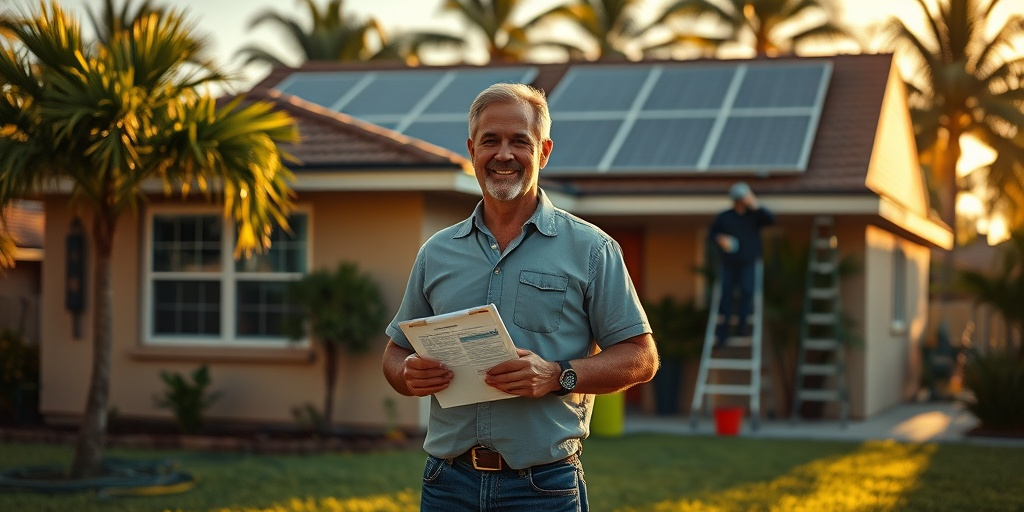
Imagine a typical Florida family, feeling overwhelmed by soaring utility bills amid a backdrop of sunny skies. How does one family escape the grip of high energy costs and achieve not just savings, but true energy independence? In this blog post, titled How One Florida Family Achieved Energy Independence with Solar Panel Installation, we’ll uncover the inspiring journey of the Martinez family as they embraced solar energy, transforming their home into a beacon of sustainability and savings. Along the way, we’ll explore critical factors such as the 2025 urgency to act on dwindling federal solar incentives, which are poised to decrease as utility rates continue to rise (SEIA.org). Shocking statistics reveal that Florida ranks highly for solar energy potential, yet only a fraction of homeowners utilize this renewable resource (Energy.gov). In light of this, being informed about solar energy systems has never been more crucial. In this educational piece, we will delve into key areas such as real-life case studies, actionable checklists for prospective solar buyers, myth-busting common misconceptions, localized insights tailored to Florida homeowners, and a technical analysis of solar components.
Section 1: The Martinez Family Case Study: A Path to Energy Independence
The sun-drenched city of Orlando, Florida, sets the scene for the remarkable journey of the Martinez family, who transformed their energy consumption by embracing solar panel installation. With two children and a deep commitment to sustainability, Maria and Juan Martinez found themselves frustrated with their escalating utility bills. Their monthly electric bill averaged around $300, a figure that loomed large over their household budget. It wasn’t long before they decided to take control of their energy costs and to leave a greener legacy for their children.
After extensive research and consultations with several solar companies, the family discovered Florida Electric & Solar. What set this company apart was their dedication to educating homeowners about the financial benefits and environmental impact of solar energy. The Martinez family learned that by investing in solar panels, they could not only cut their electric bills but also increase their home’s value—a double victory in their eyes.
In a pivotal moment, a solar consultant conducted a thorough audit of the Martinez home and presented a comprehensive plan outlining potential savings and returns on investment. Maria and Juan discovered that taking the plunge into solar energy would allow them to save up to $2,000 annually on their energy expenses, maximizing their savings significantly over time.
- Step 1: Conduct an energy audit to determine energy consumption and potential savings.
- Step 2: Research various solar companies and compare their offerings.
- Step 3: Schedule a consultation with an expert to analyze the solar system design specific to your home.
- Step 4: Evaluate financing options, including tax credits and rebates.
- Step 5: Finalize the installation and enjoy reduced utilities while contributing to a sustainable planet.
As their installation date approached, curiosity morphed into excitement. The technicians arrived promptly and worked diligently to install the solar panel system throughout their roof, ensuring optimal sunlight exposure and performance. Within hours, their home was transformed, and the challenge of managing rising energy costs was finally in the rearview mirror. The return on investment became evident almost immediately, as they recently received their first utility bill post-installation—a mere $30.
This incredible transformation wasn’t merely a financial breakthrough; it redefined their lifestyle. Suddenly, the Martinez family saw their energy consumption as a manageable factor rather than an uncontrollable burden. They were enthusiastic advocates, often sharing their experience with friends and family, contributing to a ripple effect of awareness in their community about the importance of solar energy. Notably, Florida ranks as the second-highest state for solar installations (SolarReviews.com), and with motivated families like the Martinezes, that number continues to climb.
Looking to share their energy independence journey even further, the family decided to host a small gathering for their neighbors to discuss solar energy. Their persuasive story—leveraged by personal experiences and cold, hard numbers—sparked the interest of several families in their neighborhood. The ripple effect of their transition to solar power hinted at a growing change; perhaps, Florida would soon see many households embracing the same energy independence.
With each passing month, the Martinez family revels in the comfort of knowing they’ve taken a significant step toward energy independence—both financially and environmentally. As they reflect on their journey, it’s clear: solar energy has the potential to change lives, and the Martinez family is living proof.
Section 2: Five Essential Steps to Transitioning to Solar Energy
Transitioning to solar energy is not just an option; it’s a strategic investment in a sustainable future. The compelling story of the Martinez family showcases just one of the countless successful journeys taken by Florida homeowners. But what are the steps you’ll need to take? Here’s a concise checklist designed to guide you through your transition to solar power:
- Conduct an Energy Audit: The first step to understanding your energy needs and consumption patterns is to have an energy audit performed. This will help you identify how much energy you consume and what size solar system you’ll require.
- Research Your Solar Options: Once you’ve assessed your energy needs, it’s time to explore different solar companies, their offerings, and customer reviews. Consider reaching out to floridaelectricandsolar.com for detailed insights.
- Seek Federal and State Incentives: Inform yourself about available incentives for solar installation, such as the federal investment tax credit (ITC), which allows homeowners to deduct a percentage of the cost of installing a solar system from federal taxes (Energy.gov).
- Evaluate Financing Options: Explore payment options, including solar leases or purchasing options, as well as available loans specifically for residential solar systems.
- Monitor Your Solar System: Post-installation, keep track of your solar energy production and savings to fully understand the impact on your electric bills and financial savings.
By adhering to this actionable checklist, Florida homeowners can pave the path toward a more sustainable future while benefiting from significant financial savings. As awareness of the advantages of solar energy grows, so too does the potential for progress. By 2025, the sun-soaked state of Florida could become a leader in renewable energy adoption among households.
Section 3: Debunking Common Myths Surrounding Solar Energy
As you consider the switch to solar energy, it’s vital to differentiate fact from fiction. Misconceptions surrounding solar energy still abound among Florida homeowners. Here, we explore five common myths that may lead potential solar adopters to hesitate in their decision-making process.
Myth #1: Solar Panels Are Too Expensive
Many individuals believe that solar power systems are unattainable due to their initial investment costs. While it’s true that upfront costs exist, they can vary significantly based on system size, incentives, and financing options. In fact, the federal solar tax credit can reduce the overall cost of installation by 26% (SEIA.org), making solar energy much more affordable.
Myth #2: Solar Energy Isn’t Efficient in Florida
This myth couldn’t be further from the truth. Florida’s sunny climate makes it an ideal location for solar power generation. With average solar irradiance levels among the highest in the U.S., solar panels in Florida can produce significant energy outputs (NREL.gov).
Myth #3: Solar Energy Systems Require Extensive Maintenance
Homeowners often fear that solar systems will require ongoing, costly maintenance. The reality is that solar panels are durable and typically only require occasional cleaning and inspection. Most systems are designed to last 25 years or more with little required maintenance.
Myth #4: Solar Panels Will Damage Your Roof
Many potential buyers worry that installing solar panels will harm their roof. However, reputable installers take precautions to ensure that they install panels without causing damage, often extending the life of the roof by providing additional protection against weather elements.
Myth #5: You’re Too Late to Go Solar
Some feel that they have missed the opportunity to embrace solar. On the contrary, with the federal tax credit set to decrease in subsequent years and utility rates constantly rising, now is the perfect time for Florida homeowners to invest in solar energy.
In debunking these myths, it is crucial to emphasize that investing in solar energy has become more accessible and beneficial, enhances property value, and leads to substantial long-term savings. As part of a larger movement toward renewable energy, homeowners can confidently pursue solar solutions.
Section 4: The State of Solar Energy in Florida: Data-Driven Insights
As the Martinez family’s journey indicates, transitioning to solar energy is becoming increasingly feasible for Florida homeowners. But just how powerful is the surge toward solar energy adoption? Let’s explore the state of solar energy in Florida through vital statistics and data-driven insights.
- Increase in Solar Capacity: Florida has experienced a 25% increase in solar power capacity within just two years, now ranking third nationally in total installed solar capacity (SEIA.org).
- Job Creation: The solar industry in Florida provided over 20,000 jobs in 2023 alone, showing significant employment growth in this renewable sector (SolarJobs.org).
- Decreasing System Prices: The overall cost of solar systems in Florida has fallen by about 40% over the past decade, allowing affordability for many households (NREL.gov).
- Homeowner Recognition: A report revealed that homes with solar energy systems sell for approximately 4.1% more than homes without solar (Energy.gov).
- Solar Investment Projections: Based on expert projections, Florida is expected to witness a further 30% growth in solar installations by 2025, proving an efficient and thriving market (SolarReviews.com).
Such statistics establish Florida as a vital player in the solar energy landscape and highlight the increasing opportunities for homeowners willing to make the shift. Ultimately, transitioning to solar energy is not only environmentally responsible but also economically advantageous.
Next Steps for Florida Solar Buyers in 2025
As we pivot towards the next phase of solar adoption in 2025, it’s essential that prospective buyers effectively manage their path toward installation. Here’s a helpful action plan:
- Step 1: Audit Your Electric Bill: Start by reviewing your electric bill over the past year to understand your energy consumption patterns and explore how much you stand to save with solar systems.
- Step 2: Research Providers: Take time to research and contact local solar companies. Read reviews and inquire about their previous work. Reach out to floridaelectricandsolar.com for support and valuable insights.
- Step 3: Schedule System Assessment: Once you’ve found a provider, arrange a site evaluation to discuss specific solar options for your home. This step often includes on-site measurements and discussions about system design.
- Step 4: Explore Tax Credits: Research any available tax credits or incentives at both federal and state levels to help reduce upfront costs, as these can be significant in making solar energy financially viable.
- Step 5: Review Financing Options: Assess financing options, including loans, leases, and crowdfunding. Choose the one that best aligns with your budget and financial goals for full control over your energy costs.
The impending solar landscape in 2025 marks a vital turning point for Florida homeowners who wish to transition towards renewable energy. As federal incentives dwindle and electricity costs rise, now is the time to act. Homeowners have the opportunity to harness the sun’s energy while maximizing their financial potential.
Conclusion
The story of the Martinez family exemplifies the profound impact that solar panel installation can have on a household, both financially and environmentally. As more Florida homeowners explore the benefits of solar energy, they join a movement that promises not only lower utility bills but also a sustainable legacy for generations to come. The vital statistics about solar energy in Florida depict a landscape ripe with opportunity, yet still underutilized. In 2025, as federal incentives decrease, families like the Martinezes encourage all Floridians to seize this opportunity—better safeguard your family’s financial future while contributing to a cleaner environment.
Every journey toward energy independence begins with a single step. Whether you wish to save money, enhance your property value, or make a positive impact on the environment, solar energy can help you achieve those goals. For families grappling with rising utility bills, embracing solar solutions is an investment worth considering.
Ready to start your solar journey in 2025? Connect with a certified expert at floridaelectricandsolar.com today.
Related Articles
More insights about Solar Panel

Florida Homeowners: Why Solar Panel Maintenance Is Essential

7 Essential Steps for Solar Panel Installation Success

Expert Insights: Key Factors Influencing Solar Panel Lifespan
Ready to Go Solar?
Have questions about solar energy? Our experts are here to help you make the switch to clean, renewable energy.