
How One Gulf Coast Homeowner Transformed Their Property with Solar Panel Installation
Share:
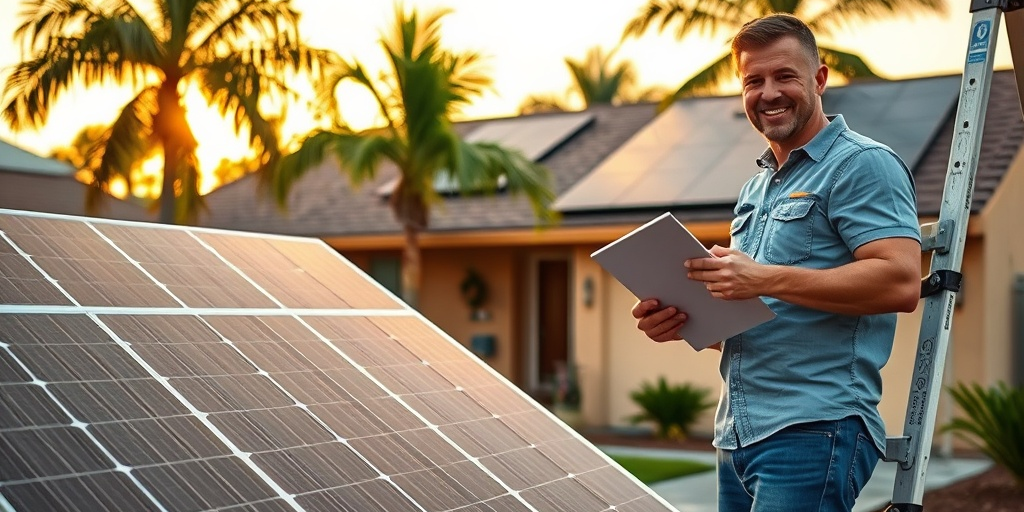
In a world where energy costs are constantly on the rise, many homeowners are looking for sustainable solutions to manage their electricity bills effectively. Did you know that Florida ranks among the top states in the nation for solar energy production? In fact, the Sunshine State saw a remarkable growth of over 20% in solar panel installations just in the last year alone (SEIA.org). With advances in technology and supportive policies, there’s never been a better time to consider solar. This article, titled How One Gulf Coast Homeowner Transformed Their Property with Solar Panel Installation, delves into the transformative journey of a homeowner in the Gulf Coast region. We’ll learn how they not only enhanced their property value with solar energy but also significantly reduced their carbon footprint while responding to urgent concerns about rising energy costs. Furthermore, this topic is especially critical in 2025 as new incentives for solar energy become available and climate considerations increasingly dictate consumer choices.
In this comprehensive piece, we will explore the following five sections:
- A deep dive into the homeowner’s case study, highlighting their challenges and triumphs.
- A practical checklist for homeowners considering solar panel installation.
- Myth-busting common misconceptions about solar energy.
- A look into Florida’s unique solar landscape, emphasizing local policies and statistics.
- A technical deep-dive breaking down the essential components and workings of a solar system.
Prepare yourself as we embark on this enlightening journey to understand the real impact of solar installation on Gulf Coast properties!
How Solar Energy Transformed a Gulf Coast Homeowner’s Property
Meet Laura, a resident of Florida’s scenic Gulf Coast region. Like many Florida homeowners, Laura was accustomed to skyrocketing energy bills, especially during those sweltering summer months. Feeling overwhelmed and concerned about the environmental impact of her energy consumption, she decided to explore solar panel installation.
After extensive research, Laura discovered a plethora of benefits associated with solar energy, including the ability to significantly cut her energy costs. According to the Solar Energy Industries Association, solar energy has the potential to reduce monthly electricity bills by up to 50% (SolarReviews.com). Intrigued, Laura reached out to Florida Electric & Solar for a consultation.
During her consultation, Laura learned about various solar installation options, including photovoltaic (PV) systems that convert sunlight directly into electricity, and solar water heaters that can be a perfect addition for pool owners in Florida’s warm climate. However, it wasn’t just the financial savings that compelled Laura; she was also driven by her desire to contribute to a more sustainable future.
- Obtain Quotes: Laura took the first step by getting multiple quotes from local solar energy companies to compare services and prices.
- Understand Financing Options: She explored different financing options, including purchasing, leasing, and Power Purchase Agreements (PPAs).
- Assess Roof Condition: Laura ensured her roof was in good condition and sufficiently positioned to capture sunlight throughout the day.
- Research Permits: Understanding local regulations and obtaining the necessary permits was crucial for her installation process.
- Schedule Installation: Finally, she scheduled her installation with the chosen provider, coordinating with them for a smooth process.
After nearly two months from her initial inquiry, the day of installation arrived. Watching the crew expertly install the solar array on her rooftop felt exhilarating. Within hours, her system was up and running. Laura could hardly contain her excitement as she realized that her electric meter would soon run backward, thanks to net metering—a policy that allows homeowners to sell excess energy back to the grid, further reducing bills. Moreover, solar energy gives her peace of mind during Florida’s notorious hurricane season. Understanding that her home was powered by a renewable energy source, while also providing resilience during outages, made the investment feel even more worthwhile. Statistics show that about 50% of homes in Florida will face power outages at least once over the next decade (NREL.gov).
This experience reveals several common myths about solar energy that we will tackle in the next section. Many potential solar buyers dismiss the idea due to misinformation, preventing them from realizing the benefits that Laura has enjoyed. Let’s debunk these myths to encourage more homeowners to consider solar in 2025.
Debunking Solar Energy Myths: Five Misconceptions About Solar Power
Myth #1: Solar Panels are Too Expensive
While the upfront cost of solar panels can be significant, the long-term savings often outweigh the initial expenses. With the average payback period for solar installations in Florida being around 5 to 7 years, homeowners can see a return on investment that strengthens over time (SEIA.org).
Myth #2: Solar Energy Is Only Effective in Sunny States
Many individuals assume solar energy isn’t a viable option for areas with frequent cloud cover. However, solar panels can still produce energy on overcast days. In Florida, sunlight is abundant, allowing solar systems to generate consistent energy over the course of a year.
Myth #3: You Can’t Power a Whole Home with Solar
While some may think that installing solar panels only covers a fraction of energy needs, many homeowners, including Laura, have reported that their solar installations offset a substantial portion of their electricity usage. This is particularly true when energy-efficient appliances and practices are added into the mix.
Myth #4: Solar Panels Require Constant Maintenance
In reality, most solar systems are remarkably low-maintenance. A simple wash a couple of times a year and a periodic check-up by a solar technician is usually enough to keep the system operating at peak performance.
Myth #5: You’ll Be Off the Grid Completely
Many homeowners fear that going solar means they’ll become entirely reliant on their solar installations and will be disconnected from the grid. The truth is, a well-designed solar system, combined with net metering options, allows homeowners to enjoy the benefits of both solar energy and the utility grid for additional support as needed.
By dispelling these myths, we can see the wider potential for solar energy adoption across Florida. As homeowners continue to learn more about solar options and policies, the awareness of its viability will lead to a more significant transformation in energy consumption. Let’s now look closely at Florida’s unique position in the solar market and how local policies enhance solar adoption.
Florida’s Unique Solar Landscape: Harnessing the Sun’s Power
Florida, often referred to as the “Sunshine State,” has not only embraced its identity but has excelled in solar energy production, making it an ideal environment for solar installations. In the last few years, the state experienced a compounded annual growth rate of 30% in solar capacity, positioning it as a leader in the United States (SEIA.org).
One of the critical drivers propelling this growth is Florida’s Renewable Energy Standard, which encourages the development of solar energy projects. Policymakers have enacted several incentives, including the Solar Energy System Incentives Program, that provides financial assistance to homeowners who install solar systems (DSIREUSA.org).
Additionally, solar tax credits make solar energy even more accessible to Florida homeowners. Under the federal solar tax credit, homeowners can deduct a significant percentage of the installation costs from their taxes – making the financial burden lighter during the installation phase.
- Net Metering: This allows homeowners to receive bill credits for excess solar energy they generate and feed back into the grid.
- Power Purchase Agreements: Financing options such as PPAs enable homeowners to go solar without upfront costs, as they pay for the energy produced instead.
- Interconnection Standards: Florida has established clear guidelines for connecting solar systems to the utility grid, making the process seamless for homeowners.
According to the Florida Solar Energy Industries Association, approximately 80% of solar installations in the state are residential, underscoring the growing desire among homeowners to take control of their energy costs (SolarReviews.com). This trend is projected to continue through 2025 and beyond, as more consumers become aware of their options.
As we discuss the technology involved in solar systems, it’s essential to spotlight their components, installation, and integration. Understanding these elements further solidifies why solar energy is a path worth pursuing for Florida homeowners.
The Technical Deep-Dive: Understanding Your Solar System
Solar power technology has advanced significantly over the years, making systems more efficient and cost-effective for consumers. Here’s a breakdown of the crucial components of solar energy systems that homeowners should understand:
- Solar Panels: Also known as photovoltaic panels, these collect sunlight and convert it into electricity. Modern solar panels have an efficiency rating of 15-20%, meaning they convert that percentage of sunlight into usable electricity.
- Inverters: These devices convert the direct current (DC) electricity generated by solar panels into alternating current (AC) electricity, which is what home appliances use. Investing in high-quality inverters can contribute to longer system life and better efficiency.
- Storage Solutions: Solar batteries allow homeowners to store excess energy for later use, providing power during evenings or cloudy days. This is crucial for maintaining a steady supply and maximizing energy independence.
- Smart Meters: Many systems now incorporate smart meters, providing real-time insights into energy generation and consumption. This technology enables homeowners to proactively manage their energy usage.
- Installation and Maintenance: Partnering with reputable installers like Florida Electric & Solar ensures that all system components are designed for efficiency and durability, requiring minimal upkeep.
A seamless installation process also includes understanding the billing structure post-installation. The right solar agreement allows homeowners to navigate their energy costs effectively. With options ranging from outright purchase to leasing, homeowners have the flexibility to choose a plan that suits their financial situation.
Now, let’s delve into actionable steps that Florida homeowners can take to set their solar transformation in motion.
Next Steps for Florida Solar Buyers in 2025
Are you inspired by Laura’s journey and ready to embark on your solar adventure? Here’s a straightforward checklist to guide you through the process:
- Step 1: Audit Your Electric Bill: Start by reviewing your electric bill to understand your current consumption and costs. This will help you gauge potential solar savings.
- Step 2: Research Local Incentives: Explore federal and state incentives that can aid your solar installation. Florida’s programs are tailored to make solar more accessible.
- Step 3: Get Multiple Quotes: Contact at least three solar contractors in your area to compare quotes, services, and system designs. Look for a provider who prioritizes customer service.
- Step 4: Schedule a Site Assessment: Have your chosen contractor conduct a thorough evaluation of your property to provide tailored recommendations based on your roof’s orientation, shading, and size.
- Step 5: Finalize Your Financing Option: Evaluate financing options including purchasing, leasing, or PPAs based on your financial goals and compare projected savings.
Taking these steps empowers homeowners to gain control of their energy resources, ultimately leading towards a more sustainable lifestyle. To get started, reach out to the experts at floridaelectricandsolar.com who can assist you with every aspect of your solar journey.
In summary, Laura’s story illustrates the profound impact of solar energy, showcasing its capacity to drive down costs while simultaneously contributing to environmental preservation. The shift toward solar is not just a trend but a sensible choice for homeowners looking to secure their financial future and embrace sustainable living. As we stand on the precipice of 2025, the urgency to adopt solar solutions has never been clearer—rising energy costs and increasingly severe weather patterns are compelling factors in making the switch. Are you ready to take the leap?
Ready to start your solar journey in 2025? Connect with a certified expert at floridaelectricandsolar.com today!
Related Articles
More insights about Solar Panel

Florida Homeowners: Why Solar Panel Maintenance Is Essential

7 Essential Steps for Solar Panel Installation Success

Expert Insights: Key Factors Influencing Solar Panel Lifespan
Ready to Go Solar?
Have questions about solar energy? Our experts are here to help you make the switch to clean, renewable energy.