
Technical Deep-Dive Into Solar Panel Lifespan and Reliability
Share:
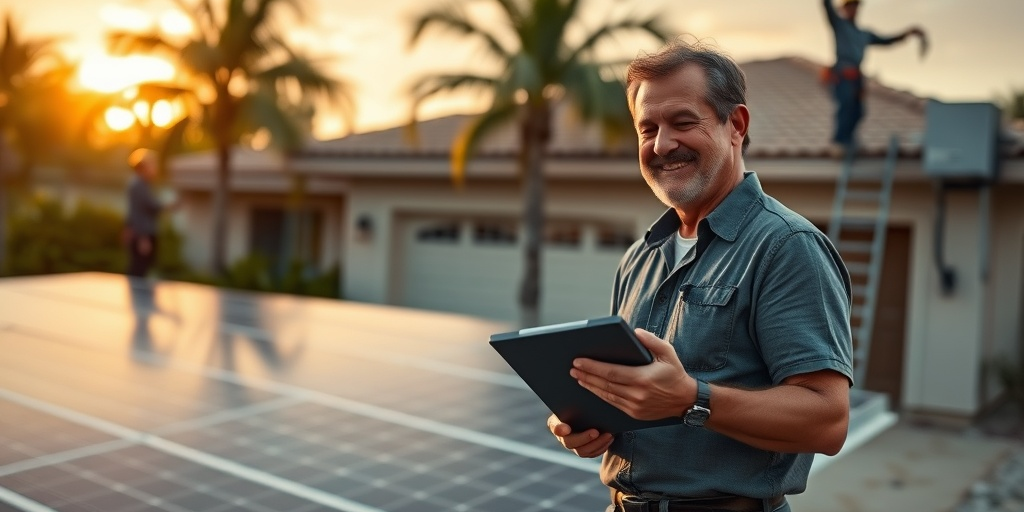
As the sun rises over the stunning landscapes of Florida, one cannot help but wonder: how long will the panels harnessing its rays last? According to recent studies, solar panels withstand the test of time remarkably well with an average lifespan of about 25 to 30 years—but that’s just the beginning of the story. In this “Technical Deep-Dive Into Solar Panel Lifespan and Reliability,” we unveil the intricacies that determine how long solar panels can perform optimally and what homeowners need to know when considering this investment. Did you know that around 92% of solar owners report satisfaction, showcasing the reliability of solar energy in the Sunshine State (SEIA.org)? Moreover, the demand for solar energy in Florida is predicted to exponentially grow in 2025, driven by soaring electricity costs and new incentives (SolarReviews.com). These dynamics make it crucial for homeowners and commercial property owners to understand solar panel reliability now more than ever.
In an era where energy prices fluctuate and environment-friendly options are appealing, a deep dive into the factors affecting solar panel lifespan becomes not just pertinent, but urgent. Rising energy costs mean that turning to renewable energy is no longer merely a trend; it’s a necessity for many Floridians looking to become energy independent. This exploration will cover five vital sections designed to equip you with knowledge:
- Understanding Solar Panel Technologies and Their Lifespan
- Key Checklist for Evaluating Solar Panel Reliability
- Debunking Common Myths Around Solar Panel Durability
- An Insightful Look into Florida’s Solar Landscape
- The Future: What to Expect from Solar Innovations
As we unfold these chapters, prepare to gain insights that are not just educational but also pivotal as you make a well-informed decision on your solar journey in 2025.
Understanding Solar Panel Technologies and Their Lifespan
As solar technology continues to evolve, understanding the different types of solar panels available is crucial when considering lifespan and reliability. Let’s break this down with a real-life example. Meet Sara, a homeowner in Orlando. After reviewing her annual electric bills that peaked during the summer months, she decided to go solar in 2023. With the rising popularity of solar panels, she found herself overwhelmed by choices. However, opting for high-quality monocrystalline panels paid off; these panels not only boasted a longer lifespan (around 25-30 years) but also greater efficiency than their polycrystalline counterparts (NREL.gov).
In addition to the type of solar panels selected, several other factors contribute to their longevity:
- Quality of Materials: High-quality components typically extend the lifespan of solar panels. Brand reputation and installation quality are paramount.
- Installation Practices: Proper installation is essential. Panels that are not installed correctly may face stress that shortens their effective lifespan.
- Climate Influence: The Florida climate can be a double-edged sword. While the sun significantly boosts energy production, extreme weather conditions can pose risks to solar panel integrity.
Moreover, when it comes to solar panels in Florida, it’s crucial to consider the state’s unique climate challenges. With a 70% humidity level and the potential for tropical storms, having panels designed for durability can make a notable difference in their lifespan. According to the Solar Energy Industries Association, Florida is ranked second nationally for solar power production, with potential growth abundant in the coming years (SEIA.org).
In summary, selecting the right panels, ensuring quality installation, and understanding local climate challenges can greatly influence solar panel reliability. As we transition into 2025, awareness of these factors will empower Florida homeowners to make informed decisions about their energy future.
Key Checklist for Evaluating Solar Panel Reliability
When embarking on your solar journey, having a solid checklist can streamline the evaluation process and ensure reliability at the forefront of your decision. Here’s a definitive guide to making informed choices:
- Assess Panel Efficiency Ratings: Look for panels with efficiency ratings above 18%. Higher efficiency means more energy generated per square foot.
- Investigate Warranty Options: Top brands should offer a warranty period of 25 years, often including both product and performance warranty, covering degradation rates.
- Consider Company Reputation: Research manufacturer history. Shifting warranties or closing companies could affect your investment over time.
- Check Installation Expertise: Solicit testimonials and reviews from previous customers to gauge the installation team’s reliability and expertise.
- Study Local Weather Data: Florida’s weather poses unique challenges, so look for solar panels rated for high wind resistance and those that can withstand humidity.
This checklist serves as a nuanced framework for evaluating solar panel systems to maximize your investment in this renewable energy source. It’s advised to consult local Florida solar companies, like floridaelectricandsolar.com, who can provide tailored insights taking into account local climate conditions.
Considering these variables allows homeowners to clarify their needs and goals in the solar landscape. The right choice today can mean decades of reliable energy savings tomorrow.
Debunking Common Myths Around Solar Panel Durability
Misinformation about solar panels can deter potential buyers and cloud their judgment. Let’s debunk some prevalent myths:
- Myth #1: Solar Panels Are Fragile and Break Easily. While it’s true that poor-quality panels can suffer damage, modern solar panels are engineered to endure extreme conditions. Many are tested against hail and high winds, making them solid investments.
- Myth #2: Solar Panels Are Low Maintenance. It is true that they require relatively little maintenance, but neglecting periodic inspections can lead to efficiency losses. Regular cleaning and inspections ensure longevity.
- Myth #3: Solar Produces No Power on Cloudy Days. Even with cloud cover, solar panels can operate at 25-50% efficiency. Florida homeowners can still benefit on overcast days, maximizing their investment year-round.
- Myth #4: All Panels Have the Same Lifespan. Different manufacturers and technologies can yield varying lifespans. Investing in high-efficiency panels generally results in extended durability and better long-term performance.
- Myth #5: The Sun’s UV Rays Break Down Solar Panels. While UV exposure does contribute slightly to degradation, most manufacturers account for this, with panels showing minimal efficiency loss over their warranted lifespan.
By addressing these myths, potential solar energy users can recognize the critical factors that actually influence the performance and reliability of solar technologies. Correct understanding can foster trust in solar investments and help many residents confidently take the leap into renewable energy.
An Insightful Look into Florida’s Solar Landscape
As a Florida homeowner, the decision to go solar should be informed by local incentives and regulations. Florida has embraced solar power enthusiastically. In 2023 alone, solar capacity increased by 25%, positioning the state at the forefront of national growth (SEIA.org). With heightened interest in solar panel investments, the landscape offers unique opportunities and challenges that homeowners must navigate.
Consider the following important factors included in the state’s solar framework:
- Net Metering Policies: Florida homeowners benefit from net metering, allowing them to receive credits on their electric bill for excess energy fed back to the grid.
- Property Tax Exemptions: Many counties offer property tax exemptions for solar installations, making it financially feasible for homeowners to invest in solar technologies.
- Local Rebates and Incentives: Various local programs can provide rebates of up to 30% of installation costs, maximizing your return on investment (Florida Power & Light).
- Rising Utility Rates: With Florida’s electricity costs continuing to climb, going solar not only helps cut costs but also insulates homeowners from future rate hikes.
- Community Solar Programs: Diverse programs allow homeowners to participate in shared solar systems, expanding access to solar benefits even without rooftop installations.
With Florida’s dynamic solar landscape, understanding these elements can empower homeowners to make informed choices. Areas like Miami and Tampa are known for robust solar incentives, which should not be overlooked as you consider your solar journey. Consulting local experts at floridaelectricandsolar.com can also provide tailored insights to help you evaluate the best options for your property.
The Future: What to Expect from Solar Innovations
As we look ahead into 2025 and beyond, the solar energy market is poised for transformative changes; innovations are rapidly emerging, promising to enhance solar panel reliability and efficiency. Experts forecast a new wave of photovoltaic technologies that could revolutionize how we harness solar energy and increase panel lifespans.
- Extended Warranties and Performance Guarantees: Expect manufacturers to offer better warranties as they enhance panel technology, giving customers increased peace of mind for their investments.
- Integration with Energy Storage Systems: As battery technology evolves, integrating solar panels with reliable energy storage solutions will not only enhance reliability but also optimize energy savings.
- Improvements in Panel Recycling: With sustainability on the rise, recycling advancements will make it easier to process used panels, reducing environmental impact and increasing renewable energy adoption.
- Greater Efficiency Levels: Continuous research and development may yield panels approaching efficiency levels of up to 40%, maximizing energy generation for homeowners.
- AI and Predictive Maintenance: The integration of smart technologies will enable homeowners to proactively maintain solar systems, ensuring they operate at top performance for years.
These innovations promise to elevate the solar industry, catering to both individual homeowner needs and broader sustainability goals. Understanding upcoming trends will help homeowners navigate their journey in the changing energy landscape effectively.
Next Steps for Florida Solar Buyers in 2025
Now that you have a thorough understanding of various aspects related to solar panel lifespans and reliability, what are the actionable steps? Here’s a straightforward plan for Florida solar buyers:
- Step 1: Audit Your Electric Bill: Review your past year’s electric usage and expenses. Knowing your consumption can assist in determining the size and type of system you need.
- Step 2: Research Local Solar Companies: Gather information about local installers, including their expertise and warranty offerings. Choosing a reputable installer can significantly impact your system’s performance.
- Step 3: Calculate Potential Savings: Utilize solar calculators or consult with a solar expert to estimate potential energy savings and cost offsets associated with solar power.
- Step 4: Schedule a Consultation: Set a meeting with solar professionals to discuss your goals and clarify options tailored to your needs, especially regarding financing and incentives.
- Step 5: Begin Your Installation: Once you feel confident in your decision, proceed with the installation process. Ensure that all permits and inspections are properly managed.
Taking these steps will help streamline your journey toward solar transition, ensuring you make informed decisions along the way. With the right knowledge and guidance, investing in solar energy in Florida can dramatically reduce your energy bills while contributing to a sustainable future. For tailored insights, consult local experts at floridaelectricandsolar.com.
In conclusion, understanding the factors influencing solar panel lifespan is vital for every Floridian considering solar investment. You’ve learned about technology options, best practices, common myths debunked, the local solar landscape, and the trends shaping the industry. The urge to switch is critical in the face of climbing energy costs and an ever-changing environment. Making that choice today means you are hedging against future uncertainties while becoming part of a sustainable legacy. Your journey toward energy independence and reliability starts now.
Ready to start your solar journey in 2025? Connect with a certified expert at floridaelectricandsolar.com today.
Related Articles
More insights about Solar Panel

Florida Homeowners: Why Solar Panel Maintenance Is Essential

7 Essential Steps for Solar Panel Installation Success

Expert Insights: Key Factors Influencing Solar Panel Lifespan
Ready to Go Solar?
Have questions about solar energy? Our experts are here to help you make the switch to clean, renewable energy.