
Understanding Grid-Tied vs Off-Grid Systems for Solar Energy
Share:
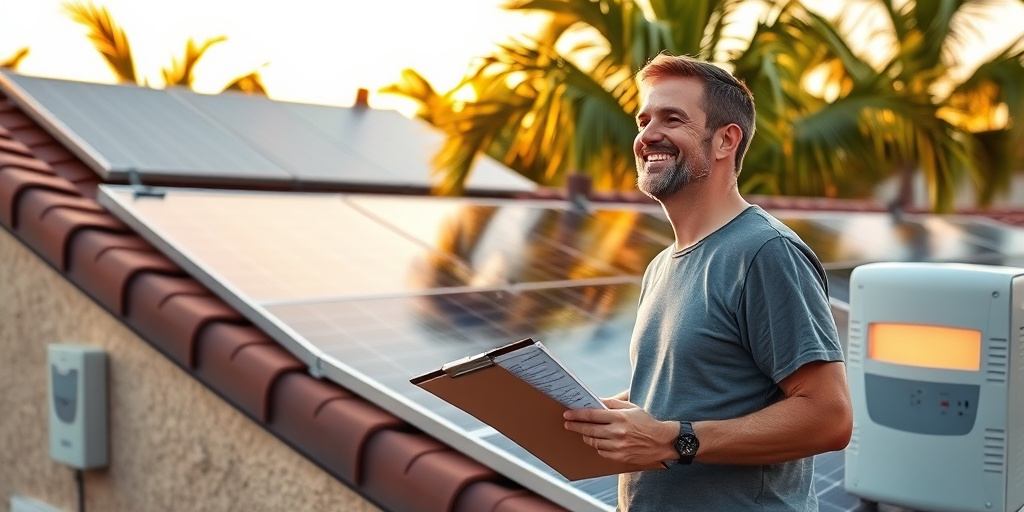
In 2025, as Florida homeowners face rising energy costs that threaten their budgets, understanding the most effective way to harness solar power becomes crucial. Did you know that solar energy can help decrease household electric bills by up to 70%? Or that Florida ranks among the top states for solar energy deployment, with a goal to reach 25% of its power from renewable sources by 2030? This makes the topic of “Understanding Grid-Tied vs Off-Grid Systems for Solar Energy” more pertinent than ever. Choosing the right solar system not only shapes your energy independence but also influences your long-term financial health. In this comprehensive guide, we’ll delve into the technical details of grid-tied and off-grid solar systems, explore case studies, debunk common myths, and offer practical steps tailored specifically for Florida homeowners. Here’s what you can expect in the following sections: a deep dive into the technology and benefits of each system, expert tips for installation, an exploration of local impacts in Florida, and actionable steps that you can take to make an informed decision about going solar.
Understanding the Differences Between Grid-Tied and Off-Grid Solar Systems
The choice between a grid-tied and an off-grid solar system can profoundly affect your energy experience. To illustrate, let’s consider the story of Maria, a Florida homeowner living in Orlando. After years of rising electric bills, Maria decided to explore her options, ultimately choosing a grid-tied system. This allowed her to not only save money on her bills but also benefit from net metering, where her solar excess is credited back to her electricity bill. Maria’s story is not uncommon and highlights the importance of understanding these systems in the context of real life.
- Checklist for Choosing Your Solar System:
- Assess your energy needs: Understand your average electricity consumption.
- Research the local solar policies: Check for incentives and regulations to determine what works best for you.
- Evaluate the grid availability: Look at the reliability of the local grid and how often outages occur.
- Consider future needs: Anticipate if your energy requirements will grow over time.
- Consult a professional: Work with a certified solar expert to guide your decisions.
Myth-busting is another essential aspect of this discussion. There are several widespread beliefs about solar energy that we need to address:
- Myth #1: Off-grid systems are more economical.
- Myth #2: All solar panels are the same.
- Myth #3: You need to live in a sunny area for solar to work.
While off-grid systems can provide independence from the utility grid, they often involve higher initial costs for batteries and maintenance compared to grid-tied systems.
This couldn’t be further from the truth; different panels have varying efficiencies, warranties, and styles. Choosing the right panel can significantly impact energy production and savings.
Florida’s sunny climate makes it ideal for solar, but even homes in less sunny areas can efficiently utilize solar energy with appropriate panel technology.
At a local level, Florida’s solar incentive programs make the decision to switch to a grid-tied system more attractive. Currently, Florida homeowners can receive rebates and tax credits that can help cover the initial costs of installation (SEIA.org). Additionally, net metering policies mean that any excess energy produced is credited toward future usage, enhancing savings even further.
Now, examining the technical aspects of each system is vital in making an informed decision.
- Grid-Tied Systems: These systems are connected to the utility grid and allow homeowners to draw power from the utility when needed and send excess energy back to the grid.
- Off-Grid Systems: Independent of the utility grid, these systems often use battery storage and require energy-efficient appliances to manage energy consumption.
Understanding your unique energy situation can help you make the best choice between these two systems. For instance, if you’re in an area with consistent grid access like many parts of Florida, a grid-tied system may provide superior financial benefits due to lower setup costs and net metering credits.
This concludes our deep dive into grid-tied versus off-grid systems, but remember, your journey toward solar energy independence doesn’t begin and end with installation. The right planning, information, and research set the stage for a successful transition.
Making an Informed Choice: Factors to Consider
Choosing between grid-tied and off-grid systems isn’t just about immediate costs or savings; other factors also weigh in on decision-making. Prioritization of different factors can lead to divergent outcomes. With that context in mind, let’s explore some critical factors influencing your choice.
- 1. Initial Cost: Grid-tied systems typically have lower upfront costs due to the lack of batteries. If minimizing immediate expenses is a priority, favoring grid-tied may be wise.
- 2. Energy Independence: Off-grid systems enable full independence from utility companies, appealing to those who prioritize being self-sustaining.
- 3. Battery Lifetime & Reliability: Assess the battery options available for off-grid systems, as their quality and lifespan matter greatly towards longevity.
During your research, be sure to look down the timeline of potential costs and savings. Recent studies show that Florida ranks as one of the states with the lowest solar payback period—about 5–7 years (SolarReviews.com). This makes investing in solar energy a smart choice, particularly in areas with ample sunshine.
Florida Electric & Solar provides resources tailored to inform you further about local regulations, available incentives, and professional installations based on your chosen system. Expert consultations can reveal additional insights into future energy needs and system reliability.
In the coming sections, we’ll provide expert tips for solar installation in Florida, helping you maximize your investment for years to come.
5 Essential Expert Solar Installation Tips for 2025
With the decision made between grid-tied and off-grid systems, the next step is ensuring a seamless installation. These expert tips will guide Florida homeowners to optimize their solar setup effectively.
- 1. Don’t Skimp on Panel Placement: The location and direction of solar panels affect their efficiency. Installation should focus on maximizing sunlight exposure, typically south-facing panels produced the best results.
- 2. Invest in Quality Components: Going for higher-quality inverters and batteries ensures longer longevity and efficiency. Although they might be pricier upfront, you’ll save money in repairs and replacements in the long run.
- 3. Review Local Permits and Codes: Check local regulations thoroughly to avoid delays during installation. Not adhering to these can result in fines or forced removals.
- 4. Take Advantage of Technology: Advanced monitoring systems can help you track your energy production and consumption, allowing for adjustments that can enhance efficiency and savings.
- 5. Work with Certified Installers: Make sure to engage with experienced and certified installation teams that know the ins and outs of Florida’s solar regulations.
Remember, effective planning and expert execution are crucial for a successful installation. Using reliable products and consulting with seasoned professionals will yield the best results.
Exploring the Solar Journey: A Florida Homeowner’s Experience
Understanding the potential impacts of going solar is essential, and there’s no better way to highlight this than through a real-life story. Meet Tom, a recent retiree from Tampa who decided to install solar panels after witnessing skyrocketing energy bills. Tom’s intriguing solar journey offers valuable insights.
Initially hesitant, Tom learned that his traditional reliance on the grid incurred considerable costs. After consulting with experts, he opted for a grid-tied solar system that allowed him to lower energy bills significantly. Within just a few months, Tom saw a remarkable 60% reduction in his power bills.
- The Initial Setup: Tom had a unique roof arrangement, which required meticulous planning for ideal panel placement.
- Monitoring Progress: With his chosen monitoring system, Tom efficiently tracked energy usage and discovered that he was generating more power than he was consuming at peak sun times.
- Community Impact: His impressive results encouraged neighbors to consider similar setups, ultimately enhancing community knowledge towards solar power.
What was most surprising to Tom was the availability of rebates and tax incentives that significantly subsidized the initial installation costs (NREL.gov). Through his experience, it’s apparent that engaging a knowledgeable installer who understands local options can help homeowners find ways to offset costs effectively.
Next Steps for Florida Solar Buyers in 2025
Now that we’ve examined the differences between grid-tied and off-grid systems, gleaned insights from real experiences, and reviewed critical installation tips, let’s put together a structured action plan tailored for Florida homeowners.
- Step 1: Audit Your Electric Bill: Understand your current energy consumption and costs to make an informed choice about what solar system suits you best.
- Step 2: Explore Local Incentives: Check for state-specific rebates and tax credits that can significantly minimize installation costs.
- Step 3: Consult with Experts: Working with reputable companies, like floridaelectricandsolar.com, can provide tailored advice suited to your property.
- Step 4: Consider Future Needs: Anticipate your future energy requirements and how your solar system can evolve along with them.
- Step 5: Schedule Your Installation: Once all factors are weighed, finalize installation with your chosen team to start enjoying your energy independence.
With these steps, Florida homeowners can streamline their transition to solar energy, ensuring that the process is as efficient as possible.
Conclusion
The transition to solar energy encapsulates more than just saving money; it embodies a commitment to a sustainable future. By understanding the nuances of grid-tied versus off-grid systems, weighing critical factors, exploring the experiences of others, and following an actionable plan, you arm yourself with the knowledge necessary to make an informed decision. As the urgency to embrace renewable energy intensifies in 2025, the advantages of solar power loom larger than ever. Not only does it empower you to reduce your carbon footprint and contribute positively to the environment, but it also serves as a financial boon for you and your family.
Ready to start your solar journey in 2025? Connect with a certified expert at floridaelectricandsolar.com today.
Related Articles
More insights about Grid-Tied Systems

Grid-Tied vs Off-Grid Systems: What You Need to Know

Grid-Tied vs. Off-Grid Systems: The Essential Solar Comparison Guide

Technical Deep-Dive: Understanding Grid-Tied vs Off-Grid Solar Systems
Ready to Go Solar?
Have questions about solar energy? Our experts are here to help you make the switch to clean, renewable energy.