
10 Steps to Maximize Your Solar Panel Maintenance Efficiency
Share:
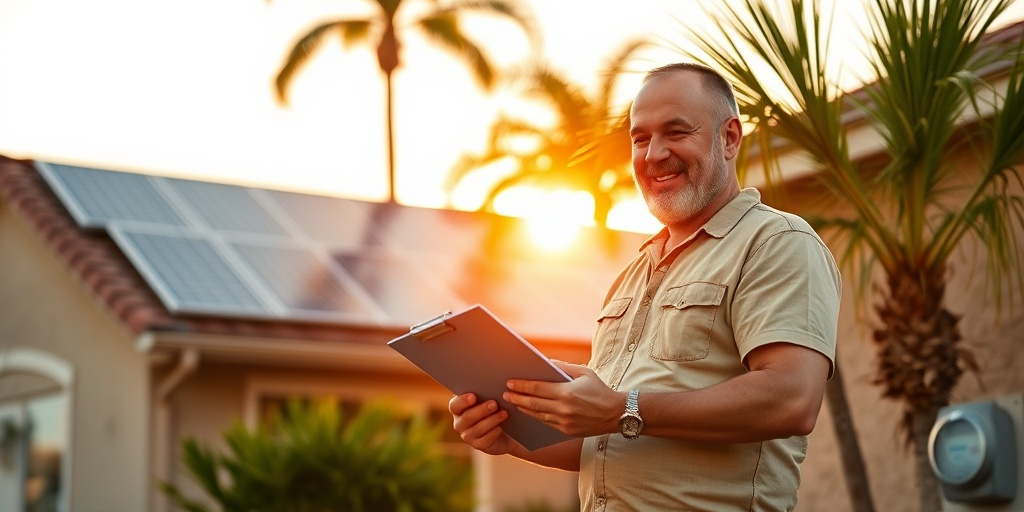
Florida homeowners are increasingly turning to solar power to combat rising energy costs and enhance energy independence. The potential for savings is staggering—many homeowners can save thousands over the lifespan of their solar panels. According to the Solar Energy Industries Association (SEIA), the average solar system owner saves around $1,500 per year. However, despite these benefits, effective solar panel maintenance is often overlooked. This is why understanding the 10 Steps to Maximize Your Solar Panel Maintenance Efficiency is crucial for Florida homeowners, especially as the state navigates new policies and incentives aimed at renewable energy adoption.
As Florida progresses into 2025, the urgency surrounding solar maintenance only grows. With electric rates projected to rise by up to 30% over the next decade due to increasing demand and grid instability (Energy.gov), maintaining your solar system efficiently will be essential to maximize savings. Additionally, with recent studies showing that properly maintained solar panels can increase their efficiency by up to 20% (SolarReviews.com), ensuring their functionality cannot be ignored.
In this comprehensive guide, we’ll explore essential steps that every solar homeowner should take to maintain their systems and ultimately save money. We’ll begin with a deep dive into real-case scenarios that showcase the importance of diligent maintenance, followed by actionable checklists, common myths debunked, Florida-specific insights, and a technical exploration of solar technologies. Ready? Let’s dive in!
Case Study: The Johnson Family’s Solar Maintenance Journey
Consider the Johnson family, who switched to solar power in 2021. They were thrilled to see their energy bills drop significantly during the first few months. However, as the years progressed, they noticed a slight dip in performance. Concerned, they contacted their solar provider, Florida Electric & Solar, and learned valuable lessons about solar panel maintenance.
When the Johnsons installed their 10-kilowatt solar system, the direct savings on their energy bills amounted to around $150 each month. This significant reduction supports why the average Floridian can save thousands by adopting solar. Despite this initial benefit, they learned that neglecting routine maintenance could align them with hundreds of dollars in unrecognized lost savings.
As part of their maintenance strategy, they established a checklist that involved seasonal inspections and regular cleaning. Here’s what they implemented:
- Regular inspection (twice a year): Ensured that no debris, such as tree leaves, obstructed their panels.
- Cleaning (as needed): Their panels required a cleaning every three to six months to maintain efficiency.
- Professional check-up (every year): They scheduled an appointment with Florida Electric & Solar for a thorough system check.
Through better maintenance, the Johnsons not only regained lost efficiency but even surpassed their initial energy savings, now enjoying the peace of mind that comes with knowing their solar investment is protected. This story emphasizes the importance of proactive care for solar systems and how simple upkeep can substantially enhance efficiency.
As you embark on your solar journey, take these steps to heart. Here’s a simple checklist of what you can do:
- Step 1: Inspect your system twice a year for debris and damage.
- Step 2: Clean your panels seasonally or as needed.
- Step 3: Schedule a professional inspection annually.
Adopting these maintenance practices will not only ensure peak performance but also extend the lifespan of your solar system. Remember, in Florida, the sun can be both a friend and a foe.
Your Solar Maintenance Checklist
To maximize your solar panel maintenance efficiency, follow these key steps. Each one is designed to ensure that you extract the utmost performance from your solar installation.
- Step 1: Conduct Bi-Annual Inspections
Regular inspections are crucial for identifying potential issues before they escalate. Look for shading from nearby trees, loose connections, or signs of wear and tear on your array. Florida’s environment can bring about various challenges, from heavy rain to high humidity, making these checks essential. - Step 2: Clean Your Panels
A clean solar panel can boost energy production by up to 20%. This is particularly significant in Florida, where dust, grime, and pollen can accumulate rapidly. Light rain can help in cleaning panels, but during drier spells, an occasional manual cleaning with water and a soft brush or sponge can be very helpful. - Step 3: Monitor Energy Output
Install a monitoring system that allows real-time tracking of your solar output. Many solar providers offer apps to track performance. This can help you identify drops in production quickly, meaning any issues can be addressed promptly. For example, if you notice a sudden drop, it could indicate a problem that needs immediate attention, such as a fault in the inverter. - Step 4: Review Your Inverter Functionality
Your inverter plays a critical role in converting solar energy into usable electricity. Regular checks can prevent failure. While inverters are generally robust, they can fail. Keeping an eye on performance metrics helps detect anomalies sooner rather than later. - Step 5: Schedule Annual Professional Maintenance
While homeowners can manage many tasks, scheduling an annual inspection from a qualified technician, like those at Florida Electric & Solar, is invaluable. This professional service will provide an in-depth evaluation that may be difficult to achieve on your own. Technicians can also identify issues that might arise due to wear and tear, offering solutions tailored to your system.
These steps form a powerful foundation for maintaining solar efficiency and longevity. With consistent engagement, your solar investment will pay dividends both in energy savings and peace of mind.
Understanding Common Solar Panel Myths
When discussing solar maintenance, misinformation and myths can cloud homeowners’ judgments and decisions. Let’s debunk some of the most widespread beliefs.
- Myth #1: Solar Panels Don’t Work on Cloudy Days
This misconception can lead to unnecessary worry for homeowners. Solar panels can still produce electricity even on cloudy days, albeit at reduced efficiency—typically around 25% to 50% of their full power (SEIA.org). - Myth #2: Solar Panel Maintenance is Too Expensive
While there may be costs involved in professional checks, the savings from efficient energy production far outweigh maintenance costs. In fact, neglecting maintenance can lead to even larger repair bills down the line (SolarReviews.com). - Myth #3: Once Installed, Solar Panels Require No Further Attention
Common belief suggests that solar systems take care of themselves post-installation. In reality, routine checks are essential for optimum performance. Regular home inspections and cleaning by professionals are key components of long-term upkeep. - Myth #4: Solar Power Doesn’t Make Economic Sense in Florida
On the contrary, Florida is one of the sunniest states, making it an ideal location for solar energy capture. In fact, data shows that Florida could double its solar capacity by 2030 (NREL.gov). - Myth #5: All Solar Panels are Created Equal
With varying efficiency levels and warranties among different manufacturers, not every solar panel will deliver the same value. Selecting the best-suited panels for your needs may require research and professional guidance.
By educating yourself and steering clear of these myths, you put yourself on the path towards a highly effective and efficient solar energy experience.
The Florida Solar Landscape: Insights and Actions
As solar energy gains prominence in Florida, several key factors shape the local landscape.
Florida’s solar energy adoption has recently surged, and with good reason. The state ranks third in the country for solar installed capacity, behind only California and Texas (SEIA.org). This growth is driven by favorable policies, abundant sunshine, and a substantial tax incentive system, including the Renewable Energy Technologies Investment Tax Credit (ITC).
To better understand the nuanced challenges and advantages homeowners face, consider these critical factors:
- Incentives for Solar Installation: Florida’s property tax exemption for solar installations means homeowners can capitalize on their solar investments with reduced tax burdens.
- Net Metering Policy: Florida’s net metering policy allows homeowners with solar panels to sell excess generated energy back to the grid, which significantly enhances savings.
- Potential Weather Impacts: Florida’s climate, while sunny, is also prone to storms and hurricanes. Dedicating attention to panel durability and the installation process is essential for enduring performance.
- Local Utility Rebates: Some local utility companies offer their own solar incentives, making the decision to install solar even more favorable for homeowners.
For those considering solar in Florida, staying informed and engaged with local policies will contribute to maximizing both savings and efficiency. By taking steps to understand these dynamics, you can enhance your solar experience significantly.
Next Steps for Florida Solar Buyers in 2025
As we move towards 2025, Florida homeowners looking to maximize solar panel maintenance efficiency should take the following actionable steps:
- Step 1: Audit Your Electric Bill
Track your monthly bills to understand your energy usage. Identifying patterns helps determine the right solar system size for your home. - Step 2: Research and Compare Solar Providers
Evaluate different solar companies to find the right fit for your needs. Look for customer reviews, warranties, and post-installation services. - Step 3: Schedule a Demo and Consult with Experts
Contact Florida Electric & Solar for a consultation to learn about possible savings and financial options available to you. - Step 4: Plan Your Installation Timing
Consider the optimal season for installation. Late summer may offer ideal conditions in Florida as rainfall typically declines. - Step 5: Stay Engaged with Performance Monitoring Tools
Using monitoring tools will allow you to keep an eye on your solar performance and quickly address any irregularities.
By completing these steps, you position yourself as an informed solar buyer ready to harness the benefits of clean and renewable energy in 2025.
In conclusion, maximizing your solar panel maintenance efficiency isn’t just a choice; it’s a necessity for every Florida homeowner invested in renewable energy. A proactive approach to maintenance leads to greater savings, enhanced performance, and the peace of mind that comes from knowing you’re making a positive impact on the environment. Don’t let misinformation or neglect cloud your solar journey—take decisive action today.
Ready to start your solar journey in 2025? Connect with a certified expert at floridaelectricandsolar.com today.
Related Articles
More insights about Solar Panel

Florida Homeowners: Why Solar Panel Maintenance Is Essential

7 Essential Steps for Solar Panel Installation Success

Expert Insights: Key Factors Influencing Solar Panel Lifespan
Ready to Go Solar?
Have questions about solar energy? Our experts are here to help you make the switch to clean, renewable energy.