
Beware These Solar Scams That Could Cost You Thousands
Share:
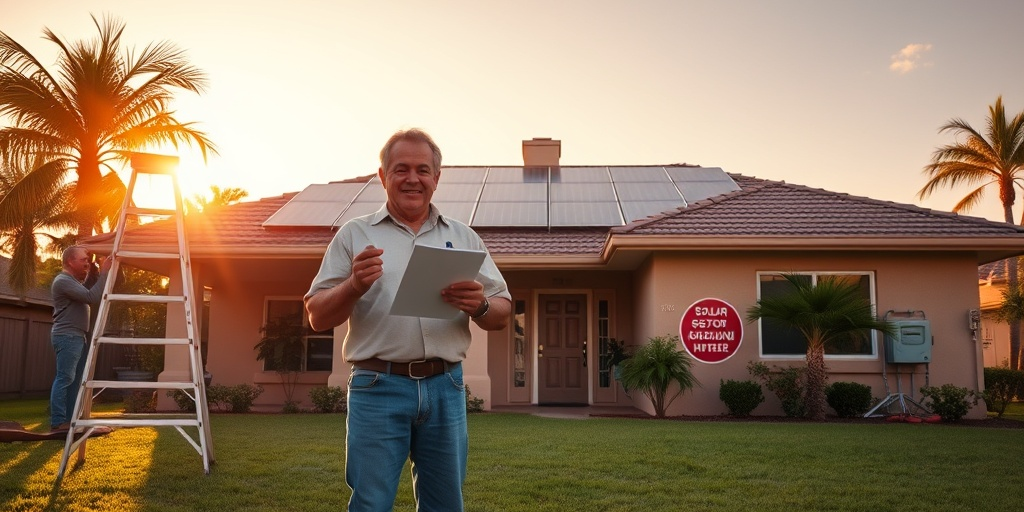
As Florida homeowners and commercial property owners look to the future of energy consumption, one fact stands out: switching to solar power isn’t just a trend; it’s a smart investment for your family and your finances. However, when it comes to embracing solar energy, the road is fraught with potential pitfalls. In the rush to go green, many fall prey to common scams that could cost thousands, underlining the importance of vigilance. Here at Florida Electric & Solar, we aim to equip you with the knowledge to navigate the complexities of solar energy in the Sunshine State. In this comprehensive guide titled Beware These Solar Scams That Could Cost You Thousands, we’ll uncover essential information to help you make informed, strategic decisions as you embark on your solar journey in 2025. Consider this: according to the Solar Energy Industries Association (SEIA), Florida ranks among the top states for solar installations, with a remarkable growth in residential solar capacity of over 30% last year. Yet despite the opportunities, there has been a rise in solar scams, with estimates suggesting that unsuspecting customers could lose anywhere from $1,500 to $10,000 to fraudulent contracts (Energy.gov). With incentives and policies evolving rapidly in 2025, now more than ever, homeowners must be alert and informed. This article will cover: a case study of a Florida family impacted by a solar scam; a checklist to help you identify suspicious tactics; myths debunked about solar energy that could influence your decision; best practices with a local focus in Florida; and expert insights into the technical aspects of solar energy systems to clarify how they work. Prepare to empower yourself with the knowledge you need to avoid costly mistakes!
Understanding the Dangers: A Case Study on Solar Scams
In a picturesque neighborhood of Orlando, the newfound excitement of going solar turned into a nightmare for the Richards family. Eager to reduce their energy bills and decrease their carbon footprint, they were approached by a door-to-door salesperson representing a solar company that offered an irresistible package: a new solar panel system at an incredibly low price, promising a rapid return on investment and federal incentives that would cover most of the costs. Trusting the salesperson, the Richards signed what seemed like a golden opportunity, only to find themselves entrapped in a fraudulent scheme. The solar panels were poorly installed and did not comply with local regulations, costing the family thousands in repairs and legal fees. This experience, while alarming, is not isolated. In Florida, consumer reports indicate that around 35% of homeowners regret their solar choices due to misleading information and high-pressure sales tactics (SolarReviews.com).
Checklist for Identifying Solar Scams:
- Beware of Suspicious Offers: If a deal sounds too good to be true, it likely is. Always conduct thorough research before agreeing to any contracts.
- Verify Company Credentials: Confirm the company’s license, insurance, and customer reviews on platforms like Yelp and Google.
- Read the Fine Print: Look for hidden fees and conditions in contracts; knowledge is essential to avoiding pitfalls.
- Seek Multiple Quotes: Don’t settle for the first offer—get at least three estimates from different providers to compare.
- Consult Trusted Sources: Turn to organizations like the Better Business Bureau and local consumer protection agencies.
In the end, awareness is your strongest ally in navigating the solar landscape. Engaging with credible sources, like floridaelectricandsolar.com, can help ensure you’re making informed decisions. But it’s vital to dispel some myths about solar power that clouds the judgment of many Florida homeowners.
Top Myths About Solar Energy Debunked
As skepticism surrounds solar energy, myths can easily mislead prospective buyers into making uninformed choices. Here are some prevalent misconceptions dismantled:
- Myth #1: Solar Energy is Too Expensive. Many believe that the upfront costs are unattainable, but with state and federal incentives, financing options, and reduced installation prices, solar can be more affordable than many expect.
- Myth #2: Solar Panels Only Work in Sunny Weather. Although sunny weather maximizes efficiency, solar panels can still generate energy on cloudy days, dispelling the notion that they are ineffective without sunshine. In fact, panels can still operate at 80% of capacity during overcast days (Energy.gov).
- Myth #3: You Can’t Sell a Home with Solar Panels. In reality, solar panels can enhance property value and attract environmentally-conscious buyers, becoming a key selling point in real estate transactions.
- Myth #4: Leasing Solar Panels is Cheaper. While leasing may seem more budget-friendly, it can lead to higher overall costs in the long run, making purchasing a better investment.
- Myth #5: Solar Energy is Only for Wealthy Homeowners. This notion is debunked by the growing availability of financial aid and programs catering to low- to middle-income families, making solar accessible to all.
Understanding the truth behind common myths empowers Florida homeowners to embrace solar without fear of regret. Local data indicates that nearly 60% of Floridians are unaware of the potential for financial savings associated with solar energy (DSIREUSA.org). The more you learn and trust proven facts, the stronger your positioning is in the market. To further solidify your understanding, let’s delve into vital local knowledge regarding solar installations.
Florida-Specific Insights on Solar Energy
As you decide to take the plunge into solar energy, it’s crucial to consider Florida’s unique market landscape. The Sunshine State boasts an abundance of solar installers, but the quality and credibility of these companies can vary significantly. Here’s what you need to know:
- Renewable Portfolio Standards: Florida has a well-defined Renewable Portfolio Standard, encouraging utility companies to procure a percentage of their energy from renewable sources, thus supporting solar energy growth.
- Incentives & Rebates: Homeowners can take advantage of multiple federal and state incentives, including the Investment Tax Credit (ITC), which allows you to deduct a significant portion of your solar installation costs from your federal taxes.
- Net Metering Policies: Florida’s net metering allows homeowners to receive credits on their utility bills for excess energy produced by their solar panels, thereby maximizing savings.
- Community Solar Programs: For those unable to install solar panels directly on their homes, community solar programs provide access to shared solar facilities, further integrating renewable energy into everyday life.
As solar technology continues to advance, Florida homeowners have the opportunity to stay ahead of the curve by remaining informed about evolving policies affecting solar energy. This information can help you tremendously when evaluating your options. However, knowing these facts may not be enough; understanding how solar technology works on a technical level can also influence your decisions. Let’s explore aspects of solar systems that every homeowner should consider.
Technical Deep-Dive: Understanding Solar Energy Systems
Understanding how solar energy systems operate is crucial for homeowners looking to make educated choices. Here’s a breakdown of key components and principles:
- Solar Panels: These photovoltaic (PV) systems convert sunlight into electricity. The number of panels you’ll need depends on your household’s energy consumption and roof space.
- Inverters: Solar inverters transform direct current (DC) produced by solar panels into alternating current (AC), which is usable for your home and for exporting back to the grid.
- Batteries: Energy storage systems allow homeowners to store excess energy for later use, particularly beneficial during peak energy usage or night-time hours.
- Mounting Systems: Proper installation is vital. The type of mounting system—roof-mounted, ground-mounted, or pole-mounted—affects efficiency and durability.
- Monitoring Systems: Smart monitoring solutions enable real-time tracking of energy production, ensuring optimal performance from your solar energy system.
In Florida, competition among solar providers often leads to advancements in technology and pricing, but it also stresses the importance of making knowledgeable choices about the systems that serve your energy needs. Data from the National Renewable Energy Laboratory indicates that energy storage capacity in residential solar systems has tripled in the last decade, showcasing technology’s readiness to power every home in the near future (NREL.gov). If you’re now feeling equipped to join the solar revolution, it’s time to outline actionable steps for moving forward.
Next Steps for Florida Solar Buyers in 2025
As you prepare to make the leap into solar energy, this guide provides a clear action plan that will keep you on the right track. Here are essential steps every prospective solar buyer should follow:
- Audit Your Electric Bill: Begin by understanding your energy consumption patterns. Identify peak usage times and determine how much energy you need to offset with solar power.
- Research Solar Providers: Compile a list of reputable solar companies. Investigate reviews, ask for referrals, and check credentials to assess their figures and success rates.
- Compare Quotes: Obtain pricing details from multiple providers to compare overall costs. Pay attention to installation prices, equipment quality, warranties, and post-installation support.
- Consult Experts: Reach out to credible resources, such as floridaelectricandsolar.com, where trained experts can answer your questions and provide tailored advice.
- Understand Financing Options: Explore available financing plans, including loans and leases. Inquire about eligibility for incentives to help lessen the financial burden.
Don’t underestimate the importance of these steps; following this checklist can significantly smooth your solar installation process. The right preparation leads to informed decisions, ensuring your transition to solar energy is both profitable and rewarding.
In summary, the journey into solar energy does not have to be fraught with uncertainty or risk. By acknowledging the prevalence of scams and arming yourself with knowledge, you stand a better chance of making the best choices for your home. The urgency to adapt to renewable energy sources is palpable; with rising electricity costs and the evolving landscape of solar incentives in 2025, there has never been a better time to inspect the possibilities. Remember, the initial steps you take now will not only secure your financial future but also contribute positively to your family’s legacy, the community, and the planet. Ready to start your solar journey in 2025? Connect with a certified expert at floridaelectricandsolar.com today.
Related Articles
More insights about Solar Scams

Warning: Don’t Overlook These Solar Scams to Avoid

Don’t Miss This Critical Alert About Solar Scams

Don’t Ignore These Critical Solar Scams to Avoid
Ready to Go Solar?
Have questions about solar energy? Our experts are here to help you make the switch to clean, renewable energy.