
Beginner’s Guide to Solar Panel Maintenance for Homeowners
Share:
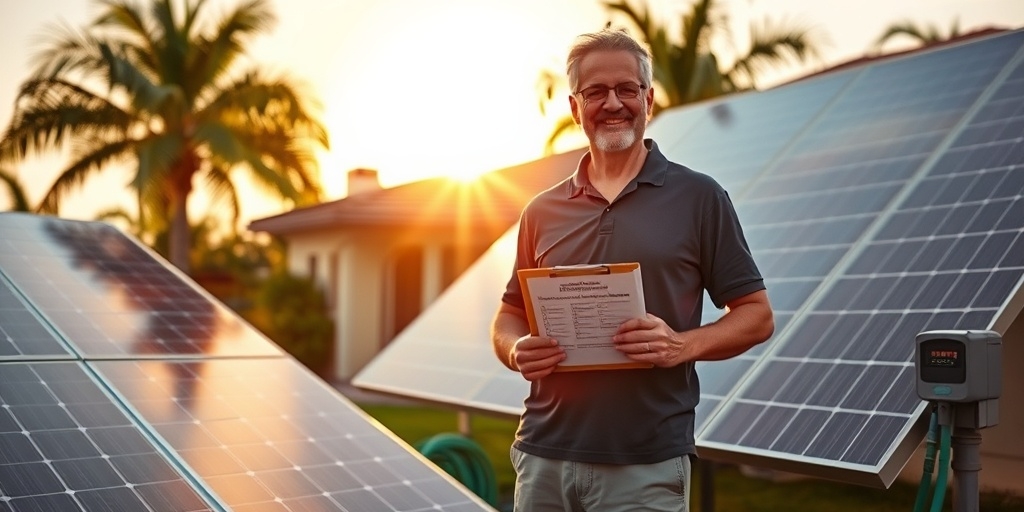
As a Florida homeowner, have you ever pondered the longevity of your solar panels? If you have invested your hard-earned money into solar energy, understanding how to maintain that investment is paramount. In fact, over 90% of solar panel owners believe that proper maintenance is essential for keeping their systems efficient and functional (SEIA.org). Additionally, studies show that solar panels can last up to 25 years, but they require regular check-ups to ensure optimal performance (SolarReviews.com). As electric rates continue to rise and new solar incentives become available in 2025, it’s never been more urgent for homeowners to be informed about keeping their solar systems in peak condition. This is why we present the **Beginner’s Guide to Solar Panel Maintenance for Homeowners**. This guide will delve into the essential aspects of solar panel upkeep, assuring you get the most out of your investment. We’ll cover five key sections: a comprehensive case study illustrating the impacts of neglecting maintenance, a checklist of actionable maintenance steps, a myth-buster section to dispel common misconceptions about solar upkeep, local considerations specific to Florida, and a technical deep-dive into how solar energy systems work.
Understanding Solar Panel Maintenance: A Case Study
Imagine the Torres family in Naples, Florida, who decided to go solar to take control of their rising energy costs. After a year, they were thrilled to see their electric bills drop significantly. Empowered by these savings, they thought they could afford to disregard the maintenance of their solar panels. However, six months later, they began to notice a troubling trend: their energy production had diminished, and their bills were creeping up again. After conducting an initial inspection, they learned that debris was blocking sunlight, and their inverter required calibration.
This case highlights the necessity of regular solar panel maintenance. The Torres family faced a situation where they could have avoided inefficiency and saved more money had they performed routine checks. To avoid falling into a similar predicament, here are some essential maintenance steps:
- Regular Cleaning: It’s crucial to keep your panels clean, as dirt and debris can block sunlight. In Florida, storms can introduce additional grime that necessitates professional cleaning services.
- Checking Components: Regularly examine connections and electrical components, ensuring they are securely fastened and free of corrosion.
- Monitoring Performance: Use monitoring systems to track energy production; if you notice a dip, it’s time to investigate.
- Professional Inspections: Schedule yearly inspections with a certified solar technician to handle comprehensive checks.
- Inverter Maintenance: Inverters need attention too; typically, they last around 5-10 years and may need replacement during the life of your solar system.
By taking these steps, the Torres family could restore efficiency and extend the lifespan of their solar system. Remember, regular maintenance is not just advisable—it’s essential for long-term savings and sustainability.
The Solar Maintenance Checklist: Five Steps to Success
Here’s your comprehensive checklist to keep your solar panels in top shape:
- Step 1: Audit Your Electric Bill
Understanding your energy consumption is the first step toward effective maintenance. Compare your pre-solar bills to current charges, and analyze any significant fluctuations. - Step 2: Visual Inspection
Every few months, perform a visual inspection. Look for debris, dust buildup, or cracked panels, and make sure there are no shady tree branches obstructing sunlight. - Step 3: Clean the Surface
In dusty or storm-prone regions, cleaning may be necessary more often. Use a gentle method with water and a soft cloth or hire professionals, especially for hard-to-reach areas. - Step 4: Monitor System Performance
Keep an eye on your solar power output through the monitoring system. If the energy production drops significantly, it may be an indicator of issues that require action. - Step 5: Schedule Routine Inspections
Hire a professional solar technician for annual inspections. They can spot potential issues before they become major problems, saving you both time and money in the long run. For reliable services, visit floridaelectricandsolar.com.
Implementing this checklist can make a significant difference in ensuring your solar system continues to operate at peak efficiency.
Solar Maintenance Myths: Debunking Common Misunderstandings
When it comes to solar panel maintenance, many myths abound. Let’s clear the air:
- Myth #1: Solar Panels are Maintenance-Free
The misconception that solar panels need no maintenance can lead to significant energy loss. They require occasional cleaning and inspection. - Myth #2: Rain is Sufficient for Cleaning
While rain can help clean panels, it often isn’t enough. Dust, pollen, and sap can accumulate, necessitating manual cleaning at least twice a year. - Myth #3: If Panels Stop Working, They’re Defective
An unexpected drop in energy production may not indicate panel failure. Issues with inverters or shading may also affect performance and can often be rectified with proper maintenance. - Myth #4: I Can Do All Maintenance Myself
While some minor issues can be handled at home, complex problems should always be addressed by certified professionals to avoid safety risks and warranty disputes. - Myth #5: Professional Maintenance is Too Expensive
The cost of neglecting maintenance can far outweigh the price of professional services, as performance issues can lead to higher electric bills over time.
Disregarding these myths will empower you to maintain your solar system effectively, translating into savings and sustainability.
Local Florida Focus: Specific Considerations for Sunshine State Homeowners
Florida’s unique climate and weather conditions necessitate tailored considerations for solar maintenance. Here are critical factors all Florida homeowners should be aware of:
- High Humidity and Heat: Our tropical climate can accelerate wear on equipment. Ensure proper ventilation to maintain optimal functioning, particularly during hot summer months.
- Hurricane Season Preparations: Floridians must prepare for storms by securing panels and ensuring systems are free from debris that could become hazardous during high winds.
- Solar Incentives and Rebates: Florida offers various tax incentives for solar installations and maintenance, including potential rebates for other energy-efficient upgrades (Energy.gov).
- Local Wildlife Precautions: With Florida’s wildlife, especially birds, be cautious about droppings that can cover panels and reduce efficiency. Regular checks are recommended.
- State Regulations and Permitting: Adhere to local regulations regarding solar installations, including maintenance requirements established by county officials.
Understanding these Florida-specific elements is vital for maximizing the efficacy of your solar power setup, ensuring you maintain compliance while benefiting from our state’s abundant sunshine.
Technical Deep-Dive: The Infrastructure Behind Your Solar Energy System
To fully appreciate solar panel maintenance, it’s crucial to understand the technology behind them. Here, we will explore the vital components that make up a solar energy system:
- Solar Panels: Made of photovoltaic materials, these panels convert sunlight into electricity. Regular maintenance ensures they remain free of debris, maximizing light absorption and performance.
- Inverters: These devices convert the direct current (DC) produced by solar panels into alternating current (AC) suitable for home use. Proper maintenance of inverters ensures your solar system operates efficiently.
- Batteries (if applicable): For systems with battery storage, monitoring battery health is crucial. Battery lifespan can be extended with proper care, including ensuring they are not overcharged or deeply discharged.
- Charging Systems: The charge controllers ensure that batteries (in systems that utilize them) are charged optimally without damage. They also prevent overcharging, a significant issue that calls for technical knowledge.
- Wiring and Connectors: Proper installation and routine checks of wiring and connectors are essential for safety and reliability and can prevent potential hazards from damaged wiring.
Gaining a deeper understanding of these components allows homeowners to engage more effectively in maintaining their solar systems, maximizing overall energy output and system reliability.
Next Steps for Florida Solar Buyers in 2025
As you embark on your solar journey or refine your existing solar maintenance practices, consider the following steps to streamline the process:
- Step 1: Audit Your Electric Bill
Ensure you understand your current and past electricity usage to gauge the effectiveness of your solar installation. - Step 2: Schedule a Professional Inspection
Find a certified technician through resources like floridaelectricandsolar.com to perform a thorough inspection of your system. - Step 3: Clean Your Panels
Depending on your location, determine if it’s time for a cleaning service or if you can do it safely ourselves. - Step 4: Monitor Performance Regularly
Maintain awareness of any inconsistencies in your energy production, as they could signal underlying issues. - Step 5: Stay Informed About New Technologies
As technology advances, be prepared to upgrade or enhance your system to keep it functioning efficiently and effectively (NREL.gov).
This checklist is designed to ensure you maximize your solar investment for years to come, as solar power becomes an increasingly vital part of your energy strategy.
In conclusion, maintaining your solar panels is essential for preserving the efficiency and longevity of this invaluable investment. From the Torres family’s lesson about improper neglect to understanding the critical components of your solar setup, each aspect builds a foundation for future energy independence. In a rapidly evolving energy landscape, characterized by rising costs and increasing environmental awareness, staying proactive can lead to significant savings for you and your family. Remember your essential maintenance steps, debunk the myths that may hinder your efforts, and keep Florida-specific considerations front of mind.
Ready to start your solar journey in 2025? Connect with a certified expert at floridaelectricandsolar.com today.
Related Articles
More insights about Solar Panel

Florida Homeowners: Why Solar Panel Maintenance Is Essential

7 Essential Steps for Solar Panel Installation Success

Expert Insights: Key Factors Influencing Solar Panel Lifespan
Ready to Go Solar?
Have questions about solar energy? Our experts are here to help you make the switch to clean, renewable energy.