
Beginner’s Guide to Understanding Solar Panel Lifespan
Share:
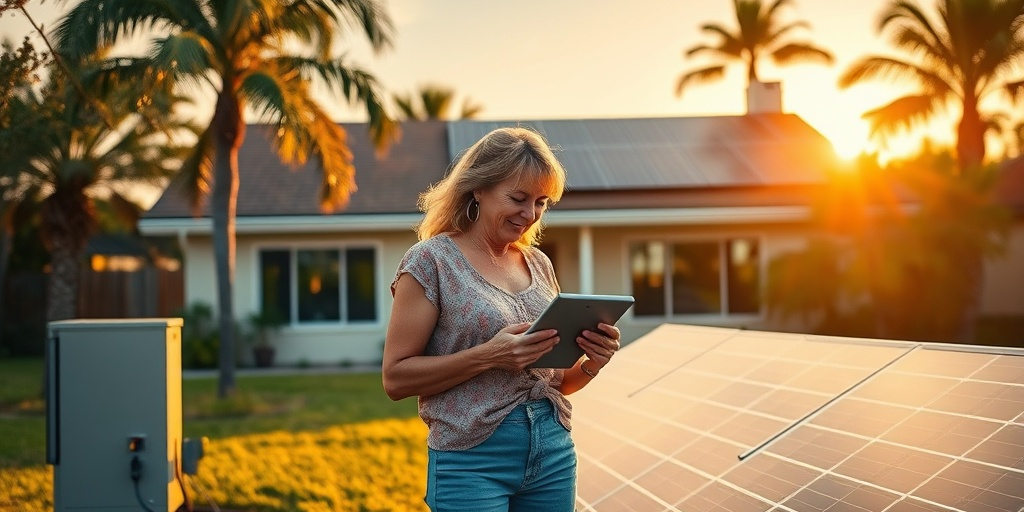
In today’s rapidly evolving energy landscape, many Florida homeowners are eager to explore renewable solutions that can save them money while protecting the planet. Did you know that solar energy adoption grew by over 43% nationwide in 2023 alone? (SEIA.org) This surge indicates a growing recognition of the benefits of solar power, particularly in sun-rich states like Florida. Yet, amidst this enthusiasm, one pivotal question remains: What is the lifespan of solar panels, and how can you protect your investment? This is precisely what our “Beginner’s Guide to Understanding Solar Panel Lifespan” aims to illuminate. From understanding the average lifespan to considering maintenance practices and warranty options, this guide is tailor-made for any homeowner or commercial property owner wanting to harness solar energy in 2025—a year poised for significant shifts in solar incentives and energy policies.
As energy prices continue to climb, with average costs projected to rise by 14% in the next year (Energy.gov), understanding the longevity of solar panels is more crucial than ever. This guide will dive into the intricacies of solar panel lifespan, offering actionable insights that can help protect your investment and maximize your savings. In the sections ahead, we’ll explore compelling case studies, actionable checklists for solar readiness, common myths around solar longevity, Florida-specific considerations for local homeowners, and a technical deep dive into how solar technologies work. By the end of this guide, you’ll be equipped with the knowledge to make informed decisions about going solar in 2025.
Understanding the Lifespan of Solar Panels: What Every Floridian Needs to Know
To grasp the essence of solar panel longevity, it’s essential to understand several factors that contribute to their lifespan. Let’s start by considering a case study of a Florida homeowner, Lisa, who invested in a solar system in 2020.
After moving into her home in Tampa, Lisa was determined to reduce her electric bills and contribute to a greener environment. She decided to install solar panels, lured by the prospect of saving up to 80% on her energy costs. Shortly after her system was installed, Lisa learned about the average lifespan of solar panels, which typically ranges from 25 to 30 years. However, she was eager to understand how to make her investment last as long as possible in Florida’s climate.
- Case Study: Lisa’s Journey
Lisa discovered that regular maintenance was key to prolonging the life of her solar panels. By hiring a service to clean the panels semi-annually and inspecting them for any potential issues, she significantly reduced the risk of performance degradation. Over the years, Lisa also learned that most solar panel manufacturers provide warranties that cover 25 years, ensuring the panels would still operate efficiently even after years of use (SolarReviews.com).
In addition to routine maintenance, Lisa researched various solar technologies. She found that monocrystalline panels, known for their efficiency and longevity, were a great fit for her installation. According to an industry report, these panels often yield higher energy production per square foot, making them an ideal choice for homeowners with limited roof space (EnergySage.com). The choice of panels can drastically impact their longevity, efficiency, and the homeowner’s overall satisfaction.
- Checklist: Key Factors for Solving Solar Longevity
To guide Florida homeowners like Lisa, consider the following checklist:- Research Solar Panel Types: Understand whether monocrystalline, polycrystalline, or thin-film is best for your needs based on your budget and available space.
- Inspect Warranties: Look for panels that offer at least a 25-year warranty for performance and material defects.
- Regular Maintenance: Schedule routine cleaning and inspections to catch problems early and prolong the lifespan of your system.
- Proper Installation: Select a reputable, experienced installer to avoid issues with panel orientation and angle, which can affect performance.
- Inverter Quality: Don’t overlook the inverter; its quality can significantly impact your entire solar system’s efficiency.
Myth #1: Solar Panels Stop Working After 25 Years
A common misconception is that solar panels cease to function after 25 years. In reality, while most panels may not produce at their optimal efficiency after this period, they typically continue to function and provide energy output, albeit at reduced levels. For many panels, the operational efficiency can decline to about 80% of the original output after 25 years (NREL.gov).
Myth #2: All Solar Panels are the Same
Not all solar panels are created equal. Differences in technology (including the materials and structures) play a significant role in efficiency, durability, and longevity. Monocrystalline panels generally outperform their polycrystalline counterparts in both efficiency and lifespan.
Myth #3: Florida’s Climate is Too Harsh for Solar Panels
Contrary to this belief, Florida’s abundant sunshine creates an ideal environment for solar energy generation. With proper installation and maintenance, solar systems can thrive even in tropical climates. In fact, Florida ranks second in the nation for solar capacity (SEIA.org).
Local facts highlight that Florida has more than 17,000 net-metered customers and continues to expand its solar installation capacity with supportive policies. This growth is encouraging for new adopters, ensuring that solar technologies will only improve over time.
Technical Deep-Dive: The Components That Impact Durability
Understanding the different components of your solar system is vital to maximizing its lifespan. Here’s a breakdown of the essential parts to consider:
- Solar Panels: The primary component, where sunlight gets converted into electricity. Factors like materials and construction methods affect durability.
- Inverters: Converts direct current produced by the panels into alternating current for home use. The inverter typically has a shorter lifespan (approximately 5-15 years) than the panels.
- Mounting Structures: These support the panels on your roof and must endure environmental factors like wind and rain, especially in Florida, where storms can be prevalent.
- Monitoring Systems: Helps oversee efficiency and performance. Regular monitoring can alert you to potential issues early on.
Each of these components contributes to the overall performance and lifespan of your solar installation. Regular checks, by a certified technician, can mitigate potential issues before they result in costly repairs.
Thinking Ahead: Best Practices for Ensuring Long-Lasting Solar Performance
Now that we’ve discussed the essential factors and myths surrounding solar panel lifespan, it’s time to delve into expert best practices that can enhance your solar experience. By adopting these methods, you’ll not only protect your investment but might also realize substantial financial savings over time.
5 Expert Solar Installation Tips for 2025
When considering a solar installation in Florida, here are five trusted tips that can help you achieve optimal long-term performance:
- Don’t Skimp on Panel Placement: Ensure your panels are positioned for maximum sunlight exposure, as shading can dramatically decrease efficiency. Work with your installer on optimal angles based on your roof’s orientation.
- Choose Quality Over Cost: Investing in high-quality solar panels and components now can prevent costly repairs down the line and ensure better efficiency over time. Remember, cheaper products may save money upfront but could lead to an inferior solar experience.
- Keep the Panels Clean: Dust, debris, and pollen can lower solar output significantly. Regular cleaning can enhance energy production and help maintain your panels’ performance for years.
- Stay Informed About Laws and Incentives: Florida frequently updates solar policies, providing homeowners with new financial incentives and rebates. Staying updated can help you make the most of your investment.
- Connect With Experts: Build a relationship with your solar provider. Leverage their knowledge for regular maintenance, troubleshooting, and tracking your energy production.
Implementing these expert recommendations can place you in a prime position to reap the benefits of solar energy while mitigating risks commonly associated with solar investments. According to a report from EnergySage, the average homeowner can save $20,000 or more over the lifespan of their solar panels—an excellent reason to ensure you’re set up for success.
A Florida Homeowner’s Solar Journey: A Tale of Transformational Change
Consider the story of David, a commercial property owner in Orlando. In 2023, motivated by rising energy costs, David decided to install a large solar array on his business rooftop. He researched and implemented several strategies to ensure the longevity of his investment, resulting in not just energy savings, but also substantial profitability.
David’s journey started with evaluating his electrical needs and the initial costs. The first pivotal step was conducting a detailed energy audit of his property. This assessment revealed inefficiencies and identified how many panels he would need to effectively meet his energy demands. With a qualified solar provider, David designed a system that would accommodate future energy usage growth.
- Step 1: Energy Needs Assessment: Ensure you understand your property’s energy consumption patterns before installation.
- Step 2: Choose the Right Equipment: Consult with your provider on the optimal panel and inverter types that best suit your needs.
- Step 3: Install for Future Proofing: Consider solar panel layouts that allow for future expansion, ensuring your system can grow alongside your energy demand.
- Step 4: Monitor and Analyze: David implemented a robust monitoring system, allowing him to track his solar energy production in real-time, creating data-backed decision-making.
- Step 5: Regular Maintenance: Scheduling routine maintenance became a priority for David, as it ensured the panels continued performing efficiently.
David’s experiences reveal the transformative impact that a tailored solar solution can offer—not just in energy savings but for improving his overall business’s bottom line. This success story reflects the growing trend of businesses in Florida adopting solar technology, further validating that renewable energy is both sustainable and financially advantageous.
Next Steps for Florida Solar Buyers in 2025
As 2025 approaches, the solar energy landscape will become increasingly favorable for homeowners and businesses alike. However, the excitement of going solar comes with the responsibility of understanding the next steps in the buying process:
- Step 1: Audit Your Electric Bill: Start by analyzing your electricity costs to gauge your needs and determine the size of the solar system you’ll require.
- Step 2: Consult with Experts: Reach out to experienced solar companies to discuss your options. Brands like floridaelectricandsolar.com can provide tailored assessments for your property.
- Step 3: Evaluate Financing Options: Investigate available financing methods, including loans, leases, or power purchase agreements (PPAs), that fit your budget best.
- Step 4: Understand Local Policies: Stay informed about local incentives and permits. Many Florida cities have only recently amended their regulations to promote solar energy.
- Step 5: Plan for Installation: Schedule the installation at a time that works best for you, ideally when local peak sunlight hours align with reduced installation costs.
Following these steps can help guide you smoothly through the solar adoption process, setting you up for success as a solar energy user in sunny Florida.
In conclusion, understanding the lifespan of solar panels is crucial as you navigate your journey towards renewable energy. Armed with knowledge about longevity, maintenance, and installation best practices, you can protect your investment while maximizing savings. The growing trend of solar adoption in Florida reflects an urgent need for energy independence and cost savings—all while helping preserve our planet for future generations. Every dollar saved today propels you further toward a sustainable future.
Ready to start your solar journey in 2025? Connect with a certified expert at floridaelectricandsolar.com today.
Related Articles
More insights about Solar Panel

Florida Homeowners: Why Solar Panel Maintenance Is Essential

7 Essential Steps for Solar Panel Installation Success

Expert Insights: Key Factors Influencing Solar Panel Lifespan
Ready to Go Solar?
Have questions about solar energy? Our experts are here to help you make the switch to clean, renewable energy.